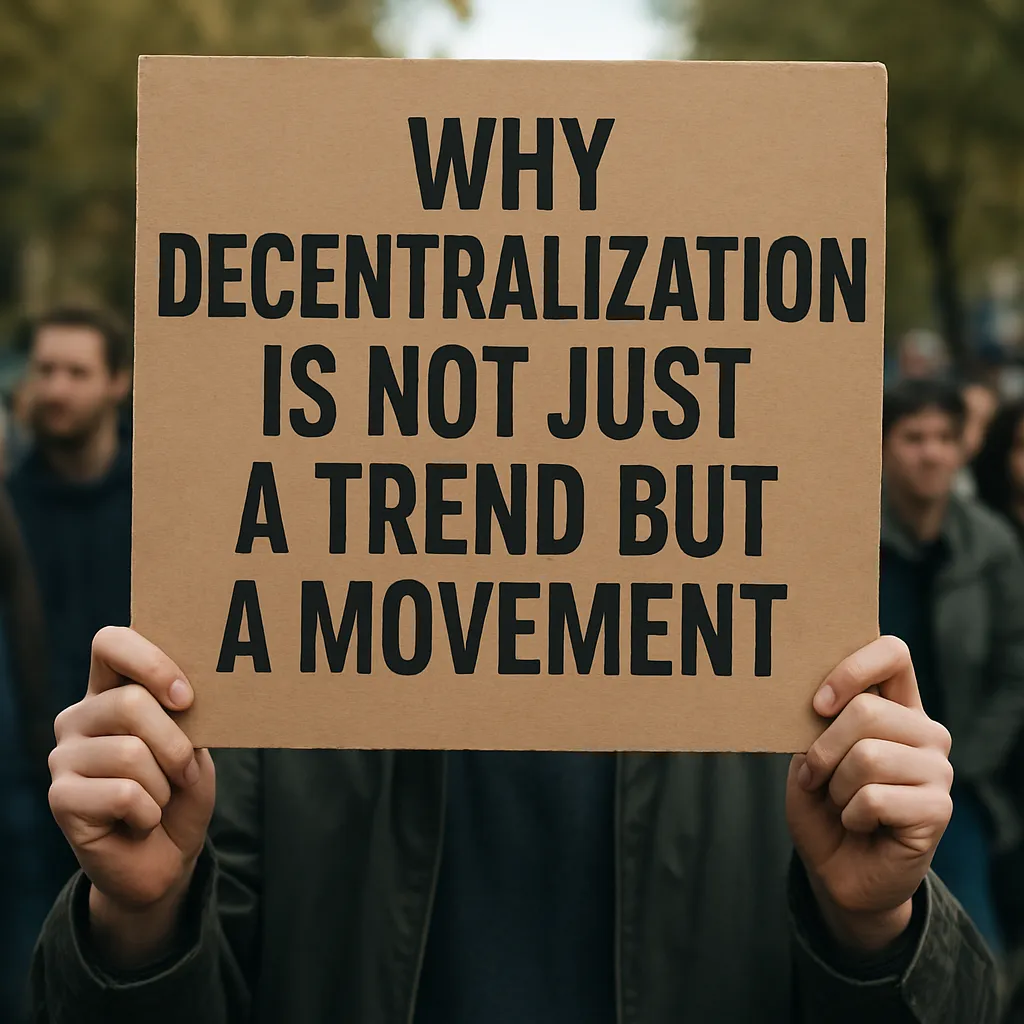
Cryptocurrency has sparked a global debate, driven by visions of financial freedom and questions about digital trust. Enthusiasts hail its potential to transform banking, while skeptics warn of hidden risks. This article explores the foundations of these digital assets, the reasons behind widespread skepticism, and the measures being taken to foster greater confidence. By examining the interplay of technology, human behavior, and regulation, we aim to shed light on why some individuals remain wary of this revolutionary phenomenon.
Understanding the Mechanics of Digital Assets
At the heart of every cryptocurrency lies a blockchain, a distributed ledger that records transactions across thousands of computers. This public record ensures transparency, as anyone can verify the historic trail of transfers. The principle of decentralization removes the need for a central authority, such as a bank or government, to approve or process transactions.
The Role of Miners and Validators
Participants known as miners (in Proof of Work systems) or validators (in Proof of Stake) secure the network. They solve complex cryptographic puzzles or stake coins to confirm blocks. Rewards, typically in the form of new coins or transaction fees, incentivize honest behavior and network security. Despite its appeal, this process raises concerns over energy usage and environmental impact.
Wallets, Keys, and Ownership
To use cryptocurrency, individuals must create a digital wallet that holds private keys. These keys grant access to coins stored on the blockchain. Losing private keys means losing access to assets permanently, which underscores the critical importance of key management and digital security.
Common Concerns Fueling Distrust
Despite rapid growth, several factors contribute to persistent skepticism toward cryptocurrency. Understanding these issues is essential for addressing the root causes of unease.
Market Volatility and Speculative Behavior
One of the most cited reasons for caution is extreme volatility. Prices can swing dramatically within hours, driven by speculation, social media hype, or major announcements. This unpredictability discourages some from viewing digital currencies as reliable stores of value or mediums of exchange.
Security Vulnerabilities and Hacks
High-profile security breaches have eroded public confidence. Exchanges handling large volumes of coins have been targeted by hackers, sometimes resulting in hundreds of millions of dollars in stolen assets. While the underlying blockchain technology remains secure by design, ancillary platforms and human errors pose significant risks.
Regulatory Uncertainty
Governments around the world are still crafting policies for digital assets. In some regions, regulations are strict or ambiguous, deterring businesses and investors from participating. The absence of clear guidance on taxation, money laundering prevention, and consumer protection leaves many feeling uncertain.
- Lack of standardized frameworks
- Inconsistent enforcement
- Potential for sudden bans or restrictions
Associations with Illicit Activities
Cryptocurrency’s pseudonymous nature has enabled both legitimate privacy-focused uses and illicit transactions. Although traditional finance also supports illegal exchanges, the media often sensationalizes crypto-based crimes, tarnishing the reputation of the entire ecosystem.
Technical Complexity and Accessibility
The learning curve can be steep for newcomers. Concepts such as key management, smart contracts, and consensus algorithms can intimidate non-technical users. This complexity slows adoption and widens the gap between early enthusiasts and mainstream participants.
Efforts to Build Confidence
Recognizing these challenges, stakeholders are implementing solutions aimed at enhancing trustworthiness and fostering wider acceptance.
Enhanced Security Protocols
Advancements in hardware wallets, multi-signature schemes, and decentralized custody aim to minimize single points of failure. Insurance options for custodial services are emerging to protect user funds against theft or insolvency.
Regulatory Clarity and Collaboration
Many jurisdictions are drafting comprehensive frameworks to integrate digital assets into existing financial structures. Collaboration between industry associations and regulators is helping to establish best practices for compliance, reporting, and consumer safeguards.
Improving Usability and Education
Projects are focusing on user-friendly interfaces, seamless fiat on-ramps, and intuitive mobile applications. Educational initiatives, ranging from online courses to community meetups, are equipping newcomers with the knowledge they need to engage safely and effectively.
- Interactive tutorials on wallet setup
- Guidelines for recognizing phishing attempts
- Case studies of successful, secure implementations
Advancements in Sustainable Design
Concerns over environmental impact have spurred the adoption of energy-efficient consensus models. Proof of Stake and hybrid mechanisms reduce electricity consumption significantly, addressing one of the most vocal points of criticism.
The Path Toward Widespread Acceptance
The journey to mainstream integration will require ongoing innovation, responsible governance, and inclusive dialogue. As the ecosystem matures, several trends may help bridge the trust gap:
Institutional Engagement and Mainstream Services
Major financial institutions and technology firms are exploring or offering crypto-related services. Their participation introduces established risk management frameworks, enhancing overall credibility.
Interoperability and Scaling Solutions
Layer 2 networks, cross-chain protocols, and novel architectures are tackling challenges of scalability and throughput. Successful integration of these solutions could dramatically improve transaction speeds and reduce fees, increasing utility for everyday transactions.
Focus on Real-World Use Cases
Beyond trading, blockchain-based applications span supply chain tracking, digital identity, and decentralized finance (DeFi). Demonstrating material benefits—such as faster remittances or transparent charitable donations—can shift perception from speculative tool to practical innovation.
Cultivating a Responsible Community
Building trust demands active engagement with users, developers, and regulators. Open dialogues, transparent reporting, and ethical guidelines foster a more inclusive and accountable ecosystem. Strong communities drive collective progress, ensuring that innovation aligns with societal needs.
Emerging Trends
Expect continued evolution around tokenized assets, central bank digital currencies (CBDCs), and privacy-enhancing technologies. Each development carries its own implications for trust, requiring careful navigation of trade-offs between openness and confidentiality.