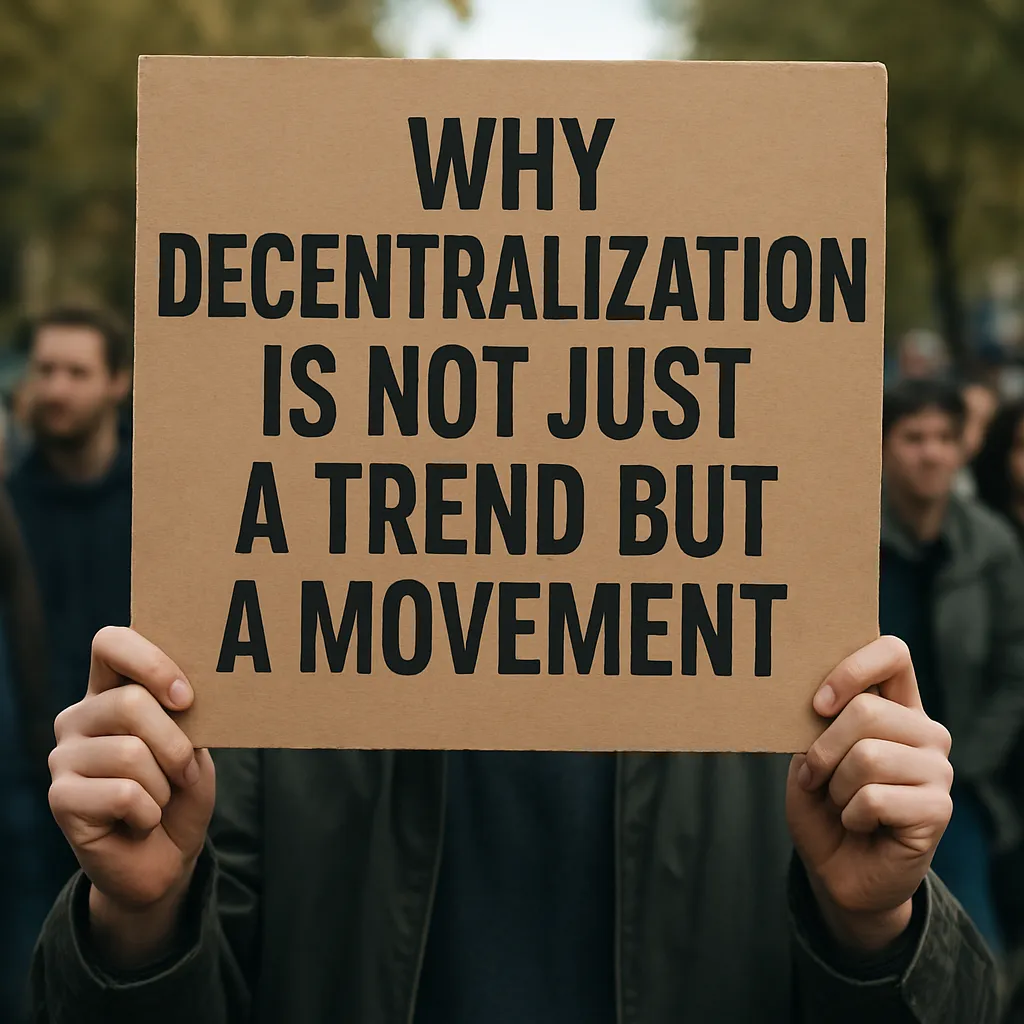
The advent of digital currencies has opened a realm of possibilities that could fundamentally redefine how younger generations perceive and interact with money. As decentralized networks gain traction, the concept of value exchange transcends traditional banking frameworks, ushering in an era where trust is algorithmically enforced and financial boundaries are redrawn. This exploration delves into key dimensions of how emerging monetary technologies may reshape economic habits, social norms, and educational priorities over the coming decades.
Evolution of Money: From Barter to Blockchain
Human societies have continuously adapted mediums of exchange to fit evolving needs. The shift from agricultural barter systems to minted coins and paper notes marked leaps in efficiency. Today, the rise of cryptocurrency represents the next logical progression—one that replaces central authorities with distributed networks. At the heart of this transformation lies the blockchain, a ledger that records transactions in immutable, transparent blocks. Young learners, born into the digital age, may regard this ledger technology as intuitively as their predecessors saw bank account statements.
Historical Context and Digital Acceleration
- Early barter and commodity monies (e.g., shells, grains) built trust through community consensus.
- Minted coins introduced state-backed value but suffered from debasement and limited divisibility.
- Paper currency and digital transfers centralized power within financial institutions, fostering gatekeeping and systemic inefficiencies.
- Enter decentralization: peer-to-peer networks remove intermediaries, paving the way for programmable money.
Shaping Financial Literacy and Behavioral Change
Exposure to digital tokens during formative years can cultivate a new breed of financially savvy individuals. When teens manage small crypto portfolios, they learn firsthand about volatility, risk management, and the importance of secure private keys. This hands-on approach accelerates financial literacy far beyond what textbooks offer. Moreover, gamified trading platforms and decentralized applications encourage experimentation, prompting users to understand liquidity pools, yield farming, and smart contract audits.
Empowering Youth Through Experimentation
By interacting with test networks and faucet tokens, students can experiment in low-stakes environments before engaging real assets. This iterative learning process fosters a mindset of innovation and resilience. Collaborative coding hackathons, often centered on building decentralized apps (dApps), teach programming fundamentals alongside economic incentives. Over time, this experience can translate into entrepreneurial endeavors that leverage token economies, non-fungible assets, and decentralized autonomous organizations (DAOs).
Societal and Economic Transformations
As digital natives mature, their financial behaviors will carry profound ripple effects. Borderless transactions powered by blockchain reduce remittance fees, broadening economic inclusion for underbanked communities. Portable digital identities—anchored in cryptographic proofs—enable individuals to establish creditworthiness globally without traditional KYC barriers. Such shifts foster more equitable access to capital and elevate community-driven ventures.
Redefining Trust and Governance
- Peer-reviewed block validation promotes network transparency and accountability.
- Decentralized governance models empower token holders to vote on protocol changes, cultivating engaged citizenry.
- Programmable grants and decentralized bursaries fund public goods, reshaping philanthropy and civic participation.
- Cross-chain bridges and protocols ensure interoperability across ecosystems, bridging diverse token standards.
Challenges and the Road Ahead
Despite its promise, the crypto landscape faces hurdles that will influence generational adoption curves. Regulatory frameworks remain fragmented, with jurisdictions oscillating between welcoming innovation and imposing restrictive controls. Striking a balance that safeguards consumers without stifling progress is crucial. Environmental concerns tied to proof-of-work consensus mechanisms spark debates about energy efficiency and climate impact. Many emerging protocols pivot toward proof-of-stake or hybrid models to address sustainability.
Navigating Regulatory and Technical Complexities
Governments and international bodies are crafting guidelines to mitigate illicit activities, protect investors, and integrate digital assets into existing financial systems. Over time, clear regulatory pathways may bolster institutional participation, increasing liquidity and market depth. Technologists continue to tackle scalability through layer-2 solutions, sharding, and zero-knowledge proofs, enhancing throughput without compromising security. Achieving high performance while upholding decentralization remains an ongoing endeavor.
Envisioning a Crypto-Infused Tomorrow
Future generations might view central bank reserves and fiat currencies as relics of a bygone era, analogous to how we regard gold-backed notes today. Educational curricula could incorporate modules on smart contract design, token economics, and cyber hygiene as standard subjects. Communities may organize around digital cooperatives, pooling collateral for local development projects without intermediaries. In this context, money becomes not just a store of value but a canvas for social innovation and collective action.
As the lines between finance, technology, and governance blur, the next generation’s relationship with money will hinge on adaptability, digital empowerment, and a shared ethos of cooperation. By embracing the novel paradigms of decentralized systems, they stand poised to craft financial ecosystems that are more inclusive, transparent, and resilient than ever before.