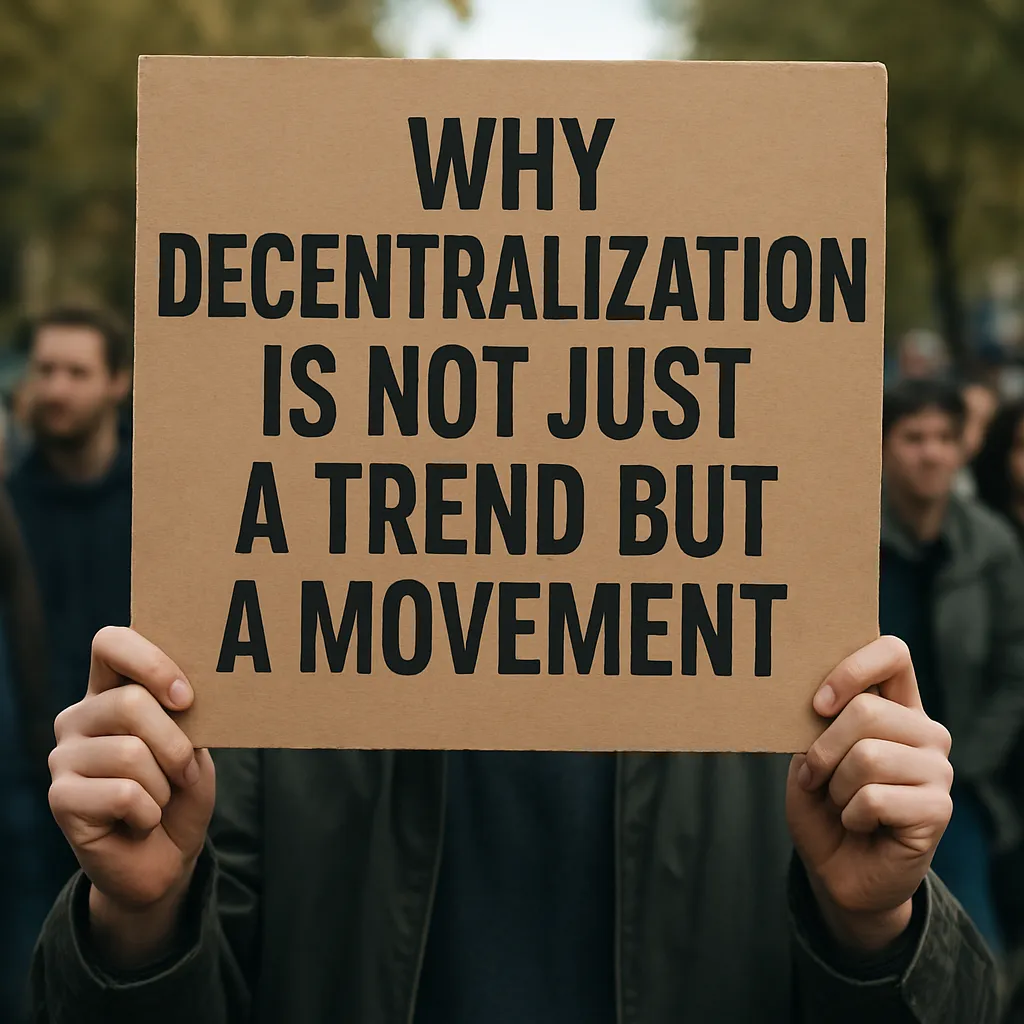
The emergence of digital currencies has sparked a profound transformation in how societies perceive and interact with money. Far from being a mere technological novelty, cryptocurrencies represent a shift towards a more open, borderless, and participatory financial landscape. Enthusiasts and critics alike acknowledge that this phenomenon extends beyond mere trading and speculation—it reshapes concepts of value, trust, and power. This article explores the intricate journey of cryptocurrency, examining its origins, its impact on global finance, the cultural changes it fosters, and the challenges that lie ahead.
Evolution of Money and the Rise of Cryptocurrency
The story of money is one of constant reinvention. From the barter system to precious metals and paper notes, each stage addressed shortcomings in the previous model. Today’s digital era demands a form of currency that transcends physical boundaries and intermediaries. In 2008, an unknown figure under the pseudonym Satoshi Nakamoto introduced Bitcoin, the first functioning form of cryptocurrency, via the Bitcoin whitepaper. This marked a watershed moment in monetary history.
At its core, Bitcoin leveraged the concept of blockchain, a distributed ledger that records transactions in a transparent and immutable fashion. This breakthrough enabled a system where participants could engage in peer-to-peer exchanges without relying on centralized authorities. The emergence of altcoins soon followed, each with tweaks aimed at enhancing speed, privacy, or energy efficiency.
Key technical advancements paved the way: proof-of-work consensus mechanisms, zero-knowledge proofs, and smart contracts. Platforms such as Ethereum expanded the vision, providing a programmable environment where developers could deploy decentralized applications (dApps). These innovations fueled a wave of creativity, giving birth to decentralized finance (DeFi), non-fungible tokens (NFTs), and a host of financial instruments that challenge traditional banking norms.
Impact on Global Financial Systems
Digital currencies have catalyzed a reexamination of established financial structures. Governments, banks, and regulators worldwide have taken notice, exploring ways to integrate or respond to this revolution. Some central banks are investigating or piloting central bank digital currencies (CBDCs), aiming to combine the efficiency of digital ledgers with the credibility of state backing.
At the same time, private enterprises and startups are building services that make cryptocurrency more accessible to the public. Payment processors now facilitate crypto transactions at retail point-of-sale terminals, and custodial platforms offer insured wallets for institutional investors. This convergence of public and private initiatives highlights the tension between decentralization and the need for oversight.
Several critical forces define this evolving relationship:
- Security: Robust cryptography underpins user protection, but breaches and hacks remain significant risks.
- Transparency: On-chain analytics empower anyone to audit transactions, yet privacy-focused coins challenge this openness.
- Regulation: Jurisdictions vary widely—from permissive licensing regimes to outright bans—creating a fragmented global market.
- Adoption: Retail and institutional uptake is growing, but volatility and technical complexity still deter mainstream users.
These dynamics underscore how digital currencies are not merely a parallel financial system but a catalyst for broader reform in payment settlement, cross-border remittances, and asset tokenization.
Cultural and Social Transformations
The penetration of cryptocurrency into everyday life has gone hand in hand with a cultural renaissance. A new lexicon—words like “HODL,” “moon,” and “gas fees”—has emerged, reflecting the community-driven nature of this movement. Online forums, social media channels, and local meetups foster a sense of collective mission, attracting individuals united by a belief in financial sovereignty.
For many, cryptocurrency symbolizes liberation from inflationary pressures and restrictive capital controls. In regions beset by economic instability, digital assets often become a vehicle for preserving wealth and facilitating commerce. This trend elevates the concept of inclusion, enabling previously unbanked populations to participate in the global economy via smartphones or basic internet access.
Moreover, the ethos of decentralization has inspired projects beyond finance. Decentralized autonomous organizations (DAOs) experiment with governance models that distribute decision-making power among token holders. Artists leverage NFTs to establish direct relationships with patrons, while activists deploy blockchain-based identity systems to safeguard civil liberties.
At its best, this cultural shift promotes:
- Empowerment of individuals over institutional gatekeepers
- Transparent and community-driven governance
- Fostering of global collaboration across cultural and economic divides
These trends demonstrate how digital currencies are not solely about maximizing returns but also about redefining trust and participation in the digital age.
Challenges and Future Outlook
Despite its promise, the cryptocurrency ecosystem faces significant hurdles that could shape its trajectory for years to come. Technical issues such as network scalability and energy consumption remain hotly debated topics. Innovations like proof-of-stake and layer-two scaling solutions seek to address these concerns, yet widespread adoption of such upgrades takes time.
Regulatory uncertainty stands as another formidable barrier. While some countries embrace digital assets with clear frameworks, others view them as threats to monetary sovereignty. Striking a balance between consumer protection and fostering innovation requires nuanced policymaking and international cooperation.
Market volatility also poses challenges for those seeking stability. Although institutional interest grows, many businesses hesitate to hold crypto on their balance sheets due to fluctuating valuations. Stablecoins—tokens pegged to fiat currencies—offer a potential remedy, but they introduce their own questions around collateral transparency and trust-backing.
Nevertheless, the pace of development shows no signs of slowing. Emerging technologies like cross-chain interoperability promise to unite fragmented blockchain networks, while decentralized identity platforms could revolutionize personal data control. Growing consumer demand for financial autonomy and digital services suggests that digital currencies will remain central to global economic evolution.
The journey ahead will likely be shaped by a dynamic interplay of technological breakthroughs, regulatory frameworks, and cultural adaptation. As stakeholders work to resolve present challenges, the ethos driving cryptocurrency continues to inspire new models of cooperation, creativity, and financial empowerment.