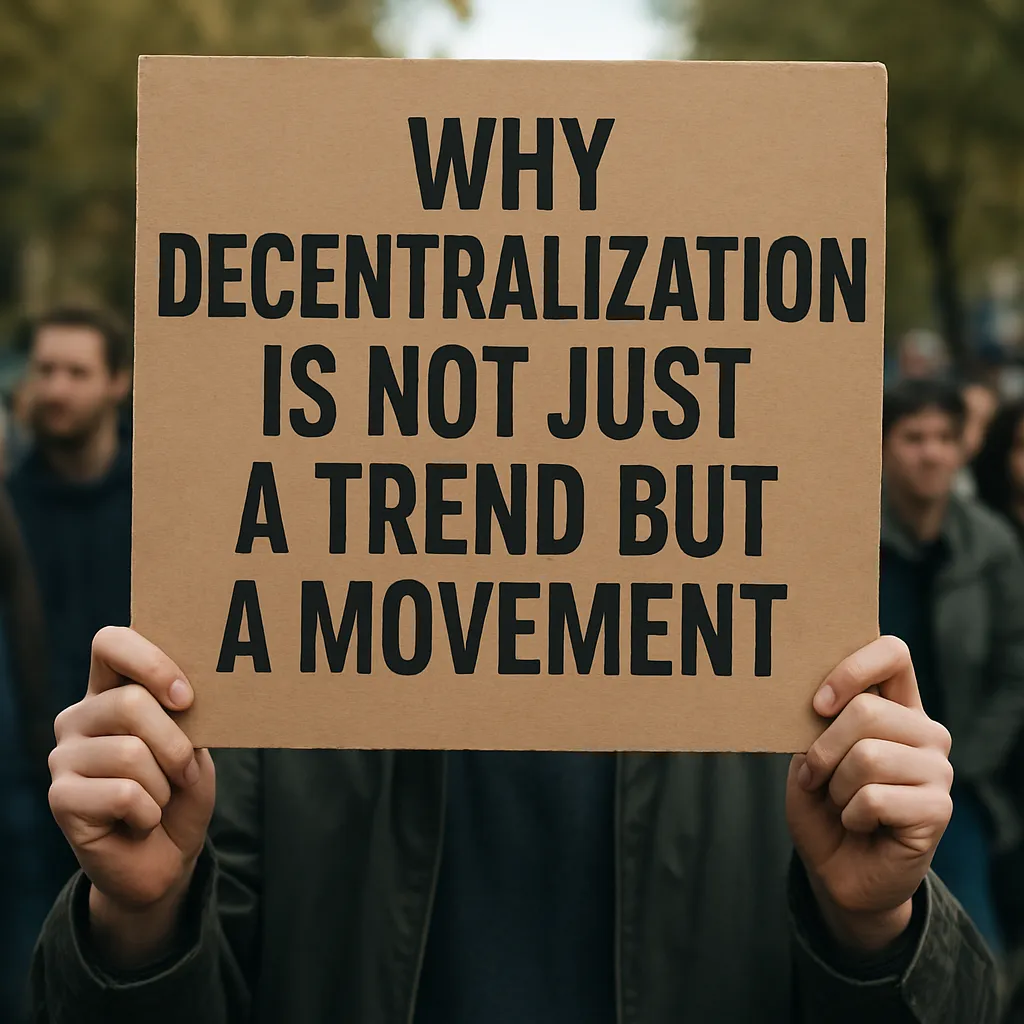
The emergence of cryptocurrency has challenged traditional notions of money, value, and trust in financial systems. By leveraging groundbreaking technologies and envisioning a decentralized architecture, this revolution prompts us to reassess long-held beliefs about how we exchange, store, and perceive wealth. The following exploration delves into the historical context, technical foundations, socio-economic impacts, and future trajectories of digital currencies.
Evolution of Money and the Rise of Digital Currencies
From Barter to Central Banks
Long before minted coins or paper notes, societies relied on barter systems to facilitate trade. The shift to metal currency introduced durability and portability, while the advent of central banks and fiat money in the 20th century granted governments greater control over value creation and monetary policy. Despite these advances, challenges such as inflation, counterfeiting, and transaction costs persisted—setting the stage for an alternative paradigm.
Genesis of Cryptocurrency
The publication of the Bitcoin white paper in 2008 marked a watershed moment: an electronic payment system based on a decentralized ledger that eliminates the need for intermediaries. Driven by a community of cypherpunks and cryptographers, the protocol married cryptographic signatures with a proof-of-work consensus mechanism. This blend forged a new asset class that promised security, immutability, and resistance to censorship.
The Core of Blockchain: Building Trust in a Trustless System
Key Features of a Distributed Ledger
- Decentralized Validation: Nodes across the network verify transactions independently, reducing single points of failure.
- Cryptographic Security: Each block is linked via SHA-256 or alternative hashing algorithms to ensure data integrity.
- Transparency: Public ledgers enable anyone to audit the transaction history, bolstering accountability.
- Consensus Mechanisms: Proof-of-Work, Proof-of-Stake, and other protocols align incentives for honest participation.
How Trust Emerges from Code
Traditional systems rely on centralized institutions to guarantee trust. In contrast, blockchain networks encode trust into mathematical rules, creating a transparent ecosystem where participants can transact without direct familiarity. This paradigm shift redefines the role of intermediaries and highlights how algorithmic governance can rival—and sometimes surpass—human-led oversight.
Decentralization as a Catalyst for Financial Inclusion
Banking the Unbanked
Nearly two billion adults remain unbanked globally, often due to lack of infrastructure or prohibitive fees. Cryptocurrency offers a low-barrier entry point: all that’s needed is internet access and a digital wallet. Micro-transactions, remittances, and peer-to-peer lending platforms built on blockchain foster new avenues for economic participation in underserved regions.
Empowering Communities through Tokenization
Tokenization transforms real-world assets—property, art, or commodities—into digital tokens on a ledger. This process fractionalizes ownership, lowers entry thresholds for investors, and enhances liquidity. Community projects can crowdfund via initial coin offerings (ICOs) or security token offerings (STOs), democratizing capital allocation and aligning stakeholders through smart contracts.
Challenges Ahead: Regulation, Scalability, and Environmental Concerns
Navigating Regulatory Frameworks
Governments worldwide grapple with how to classify and regulate digital assets. Perspectives vary: some jurisdictions embrace crypto innovation with clear guidelines, while others impose stringent restrictions or outright bans. The lack of regulatory harmonization poses risks for cross-border transactions and complicates compliance for emerging projects.
Scalability Bottlenecks
High transaction fees and network congestion remain persistent challenges for major blockchains. Several solutions have emerged:
- Layer 2 Protocols: Off-chain channels like the Lightning Network aim to process thousands of transactions per second.
- Sharding: Dividing the network into smaller pieces (shards) to parallelize transaction verification.
- Alternative Consensus: Proof-of-Stake and Directed Acyclic Graphs (DAGs) seek to reduce energy consumption while boosting throughput.
Environmental Footprint
The energy intensity of proof-of-work mining has sparked debate over sustainability. Critics highlight the carbon footprint of large mining farms, while proponents argue that renewable energy integration and technological optimizations can mitigate environmental impacts. Striking a balance between security and ecological responsibility remains an urgent priority.
Innovations and Emerging Trends in the Crypto Ecosystem
Decentralized Finance (DeFi)
DeFi protocols replicate traditional financial instruments—lending, borrowing, derivatives—without centralized intermediaries. Users can earn yield on crypto holdings, participate in automated market making, or collateralize assets through smart contracts. This nascent sector underscores the potential for composability, where different protocols interoperate to create intricate financial products.
Non-Fungible Tokens (NFTs) and the Creator Economy
NFTs enable distinctive digital items—ranging from artwork to virtual real estate—to be provably scarce and owned. By embedding rights and royalties directly into token standards, creators gain direct monetization channels, fostering a more equitable distribution of value. This phenomenon has spurred vibrant online communities and redefined concepts of digital ownership.
Central Bank Digital Currencies (CBDCs)
In response to the crypto revolution, multiple central banks are exploring sovereign digital currencies. CBDCs promise faster cross-border payments, reduced reliance on cash, and enhanced monetary policy tools. However, they also raise concerns about surveillance, privacy, and the potential erosion of decentralization.
Redefining Our Perception of Value in a Digital Age
Beyond Physical Assets
Traditional wealth is anchored in tangible commodities and government-backed currencies. The rise of digital assets challenges this paradigm by demonstrating that value can stem from network effects, cryptographic scarcity, and shared trust protocols. As a result, intangible assets—intellectual property, social capital, and community governance—gain newfound significance.
The Psychological Dimension
Human perceptions of money and scarcity drive financial behavior. Cryptocurrencies, with their finite supplies and algorithmic issuance schedules, tap into deep-seated notions of trust and control. By reclaiming monetary sovereignty from central authorities, individuals experience a shift in agency—reshaping how they interact with and assign value to digital tokens.
Conclusion
Cryptocurrency has ignited a profound conversation about the essence of money, the architecture of financial systems, and the nature of trust in the digital era. From revolutionizing access to capital to challenging regulatory orthodoxy, this movement continues to evolve at breakneck speed. As blockchain technology matures and interdisciplinary innovations take root, our collective understanding of innovation, transparency, and economic empowerment will undoubtedly transform once more.