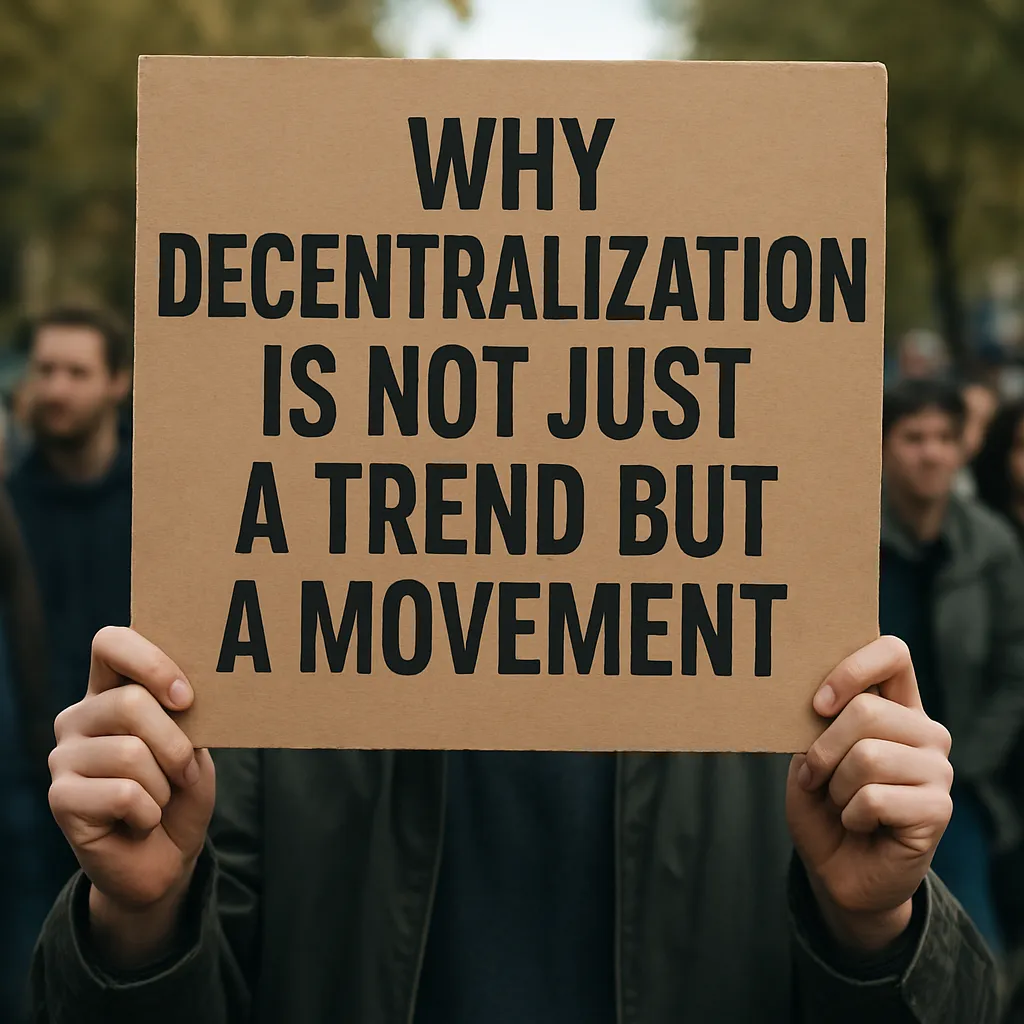
The convergence of cryptocurrency and blockchain technology has sparked a wave of innovation that extends far beyond simple peer-to-peer transactions. As artificial intelligence becomes more sophisticated, its integration with decentralized networks promises to redefine how value is created, transferred, and secured. This exploration delves into the evolution of digital currencies, the novel use cases emerging when AI meets blockchain, and the challenges shaping the next generation of financial infrastructure.
Evolution of Digital Currency: From Genesis Block to DeFi
Origins of Digital Money
The launch of Bitcoin in 2009 introduced a revolutionary concept: a decentralized ledger maintained by a global network of nodes, secured through proof-of-work. This breakthrough delivered unmatched transparency and security, eliminating the need for centralized intermediaries. Early adopters mined Bitcoin on home computers, laying the foundation for a multi-trillion-dollar ecosystem.
Emergence of Altcoins and Tokenization
Building on Bitcoin’s success, developers created alternative chains and tokens with specialized functions:
- Ethereum: Pioneered programmable ledgers via smart contracts, enabling decentralized applications.
- Ripple: Focused on cross-border payments with high throughput.
- ERC-20 Tokens: Standardized digital assets representing diverse utilities and governance rights.
Tokenization opened doors to fractional ownership of real-world assets such as real estate, art, and intellectual property.
Rise of Decentralized Finance
The past few years witnessed the explosive growth of DeFi, a movement built on open protocols delivering lending, borrowing, and liquidity services without traditional banks. Automated market makers (AMMs) and yield farms attracted billions in locked value, demonstrating how programmable money can reshape credit markets.
When AI Meets Blockchain: Innovations and Use Cases
Predictive Analytics for Trading
Integrating machine learning models on-chain empowers traders with enhanced market insights. Algorithms analyze massive data streams—social sentiment, transaction volumes, order books—to forecast price movements. These predictive tools execute trades automatically, optimizing portfolio strategies and minimizing human error.
Smart Contract Audits and Security
Defects in smart contracts have led to multi-million-dollar exploits. AI-driven code analysis identifies vulnerabilities faster than manual reviews. By employing pattern recognition and anomaly detection, these tools flag suspicious functions, ensuring robust security and reducing the risk of unauthorized fund extraction.
Automated Market Making and Dynamic Liquidity
Traditional AMMs use static formulas, but AI-enhanced models adapt to changing market conditions in real time. Agents adjust liquidity parameters, rebalancing pools to maintain optimal price slippage and capital efficiency. This dynamic approach boosts yield for liquidity providers while protecting against impermanent loss.
Decentralized Identity and Credit Scoring
Trustless identity solutions allow users to control personal data on-chain. AI algorithms assess creditworthiness based on on-chain behavior and off-chain inputs, enabling peer-to-peer lending with minimal defaults. Borrowers share encrypted proofs of income and transaction history, and AI calculates risk scores without exposing sensitive details.
Challenges and Future Prospects
Scalability and Energy Efficiency
As transaction volume grows, many blockchains struggle with scalability and high energy consumption. AI can optimize consensus mechanisms and predict network congestion, routing transactions to sidechains or layer-2 channels. Emerging proof-of-stake and proof-of-authority models, guided by intelligent algorithms, promise lower carbon footprints and faster throughput.
Interoperability and Cross-Chain Communication
Diverse chains create fragmented ecosystems. AI-enabled oracles and relayers facilitate trustless data exchange between blockchains. These bridges employ machine learning to detect fraudulent swaps and ensure atomicity. Seamless interoperability unlocks composite services where assets and smart contracts can interact across multiple networks.
Regulatory and Ethical Considerations
Global regulators are drafting frameworks to address money laundering, fraud, and consumer protection in digital finance. AI tools enhance compliance by monitoring suspicious activity in real time and generating audit-ready reports. However, the tension between privacy and surveillance persists. Projects must balance know-your-customer requirements with users’ desire for anonymity.
The Road Ahead: A Symbiotic Future
When artificial intelligence and blockchain technologies intertwine, they catalyze a new era of innovative financial systems. AI improves efficiency, risk management, and user experience, while distributed ledgers ensure trust and immutability. Key trends to watch include:
- Adaptive consensus algorithms driven by predictive modeling.
- AI-powered governance mechanisms for decentralized autonomous organizations.
- Autonomous economic agents that negotiate and transact without human intervention.
This fusion will not only transform trading and payment systems but also redefine ownership, identity, and organizational structures. As these fields advance, the synergy between intelligent computation and decentralized networks promises to deliver a financial architecture that is more resilient, inclusive, and transparent than ever before.