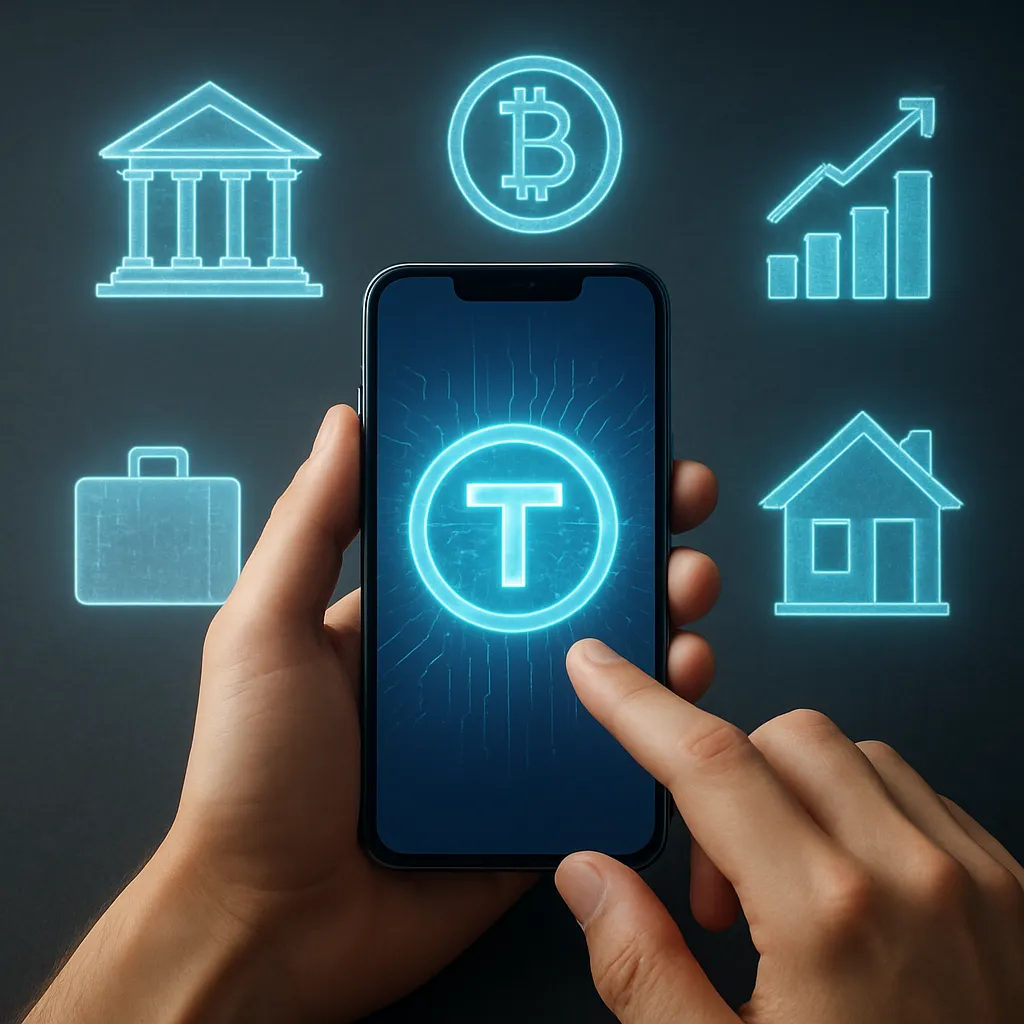
The concept of tokenization has emerged as a paradigm shift in the realm of digital finance. By converting tangible and intangible assets into digital tokens on a blockchain, this process promises to revolutionize the way we view value, transfer rights, and interact with traditional markets. When every asset becomes a token, ranging from real estate and commodities to art and intellectual property, the landscape of ownership and exchange undergoes profound transformation. The questions that arise revolve around efficiency, accessibility, regulation, and the broader socio-economic impact of a fully tokenized world.
Tokenization: The Digital Revolution
Foundations of Digital Asset Tokenization
At its core, tokenization leverages smart contracts to represent real-world assets as programmable digital tokens. These tokens are recorded on a distributed ledger, offering unprecedented levels of transparency and traceability. The underlying blockchain network eliminates the need for a central authority by ensuring that all participants share a synchronized copy of transaction data. This distributed consensus mechanism mitigates fraud, reduces settlement times, and lowers operational costs traditionally associated with intermediaries.
Fractional Ownership and Enhanced Liquidity
One of the most transformative aspects of tokenized assets is the ability to hold and trade fractions of high-value property. Imagine owning a tiny percentage of a historic painting or a commercial building without negotiating complex trust arrangements. This fractionalization democratizes access to investment opportunities, allowing retail investors to diversify portfolios that were once exclusive to institutional players. By breaking assets into smaller, tradeable units, markets can experience a surge in liquidity as buy-side and sell-side participants react faster to price movements and capital flows.
Interoperability and Ecosystem Integration
Tokenization’s promise extends beyond single-platform transactions. When standards for token creation adhere to open protocols, diverse assets become interoperable across multiple marketplaces and decentralized applications. This interoperability fosters a vibrant ecosystem where tokens representing equities, bonds, real estate deeds, or even loyalty points can coexist, interact, and be composably integrated into novel financial products. Such an interconnected framework stimulates innovation, driving further adoption of digital asset infrastructures.
Impact on Financial Markets
Redefining Market Structures
Traditional financial markets rely on well-established structures: primary issuances, exchanges for secondary trading, clearinghouses, and custodians. Tokenized markets streamline these layers:
- Direct issuance of digital tokens via smart contracts replaces complicated underwriting processes.
- Permissionless exchanges or decentralized trading platforms reduce counterparty risk and enable global participation around-the-clock.
- Automated settlement at the ledger level cuts settlement windows from days to minutes or even seconds.
Such efficiencies can lead to tighter bid-ask spreads, improved price discovery, and lower operational overhead for market participants.
Expanding Access and Financial Inclusion
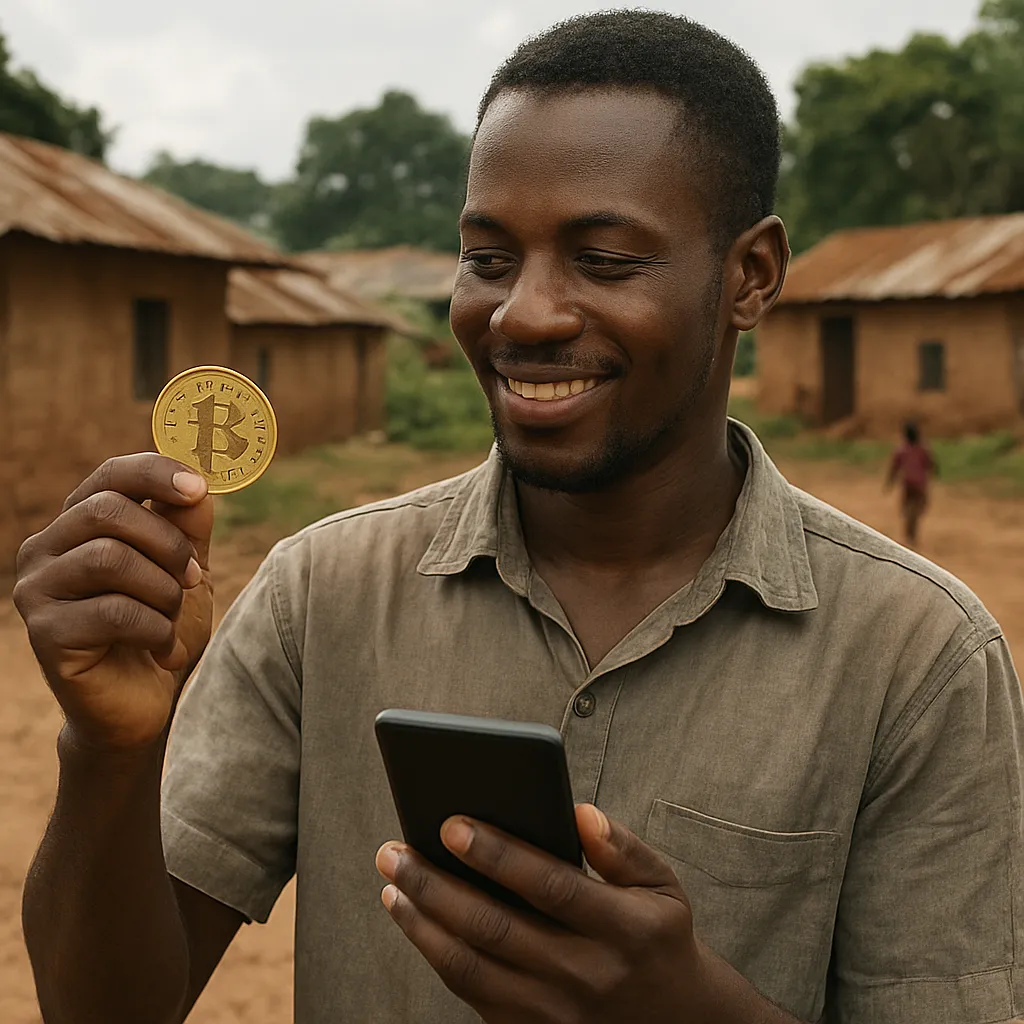
When assets become tokens, geographic and economic barriers diminish. Investors in emerging economies can access foreign assets seamlessly, while small-dollar investors gain entry to markets previously out of reach. Tokenized debt instruments, for example, can be subdivided into micro-bonds, enabling individuals to support infrastructure projects or corporate funding rounds without the need for large capital commitments. This shift toward inclusivity aligns with the broader narrative of democratizing finance and empowering underbanked populations.
Programmable Finance and Automated Compliance
Regulatory compliance has traditionally involved manual reporting, audits, and complex reconciliation. With tokenization, decentralization and programmability converge to enable real-time compliance checks embedded within the token’s code. Know-Your-Customer (KYC) and Anti-Money Laundering (AML) protocols can be enforced at every transaction step, ensuring that only eligible participants engage with regulated assets. Smart contracts can automatically levy taxes, fees, or dividends according to predefined rules, reducing human error and enhancing trust among stakeholders.
Challenges and Risks
Regulatory Uncertainty and Jurisdictional Fragmentation
While tokenized assets promise efficiency, the legal landscape lags behind. Diverse regulatory frameworks across jurisdictions pose challenges for issuers and investors alike. Questions around the legal status of tokens—whether they are securities, commodities, or property rights—remain unresolved in many regions. Inconsistent approaches to licensing, custody rules, and consumer protections can create a patchwork of compliance costs, potentially slowing widespread adoption of tokenization.
Security Concerns and Smart Contract Vulnerabilities
Although security is a hallmark of distributed ledgers, the code governing tokenized assets may harbor vulnerabilities. If a smart contract contains a flaw, attackers can exploit it to drain funds or manipulate token behavior. High-profile incidents have demonstrated that rigorous auditing and ongoing monitoring are critical. Furthermore, the loss of private keys by asset owners can render tokens irretrievable, underscoring the need for robust key management solutions and insurance mechanisms.
Market Fragmentation and Liquidity Risks
Despite the potential for enhanced liquidity, early token markets can suffer from fragmentation. Numerous competing platforms and standards may dilute trading volumes, making it harder to match buyers with sellers efficiently. Liquidity pools could become shallow, leading to price slippage and increased volatility. Over time, industry stakeholders must collaborate to establish interoperable standards and liquidity aggregation protocols to mitigate these risks.
Technological Constraints and Scalability
The current infrastructure underpinning many blockchain networks faces scalability bottlenecks. Congestion can lead to high transaction fees and slow processing times, undermining the user experience and limiting mass adoption. Ongoing developments in layer-two solutions, sharding, and hybrid architectures aim to address these limitations, but until these technologies mature, tokenized asset platforms may struggle to support high throughput and complex transaction workflows at scale.
Ensuring True Decentralization
Full decentralization remains an aspirational goal. Many token issuance platforms still rely on centralized entities for custodial services, governance decisions, or network validation. To realize the true benefits of decentralization, the industry must advance models for distributed governance, transparent protocol upgrades, and community-driven security measures. Only then can tokenization fulfill its promise of a trustless, open financial ecosystem.
Final Considerations
When all assets become tokenized, the fusion of real-world value with digital infrastructure heralds a new chapter for finance. From democratized investment opportunities to programmable compliance and streamlined operations, the advantages are compelling. Yet, to unlock the full potential of tokenization, stakeholders must navigate regulatory uncertainties, bolster security frameworks, and collaborate on interoperable standards. The journey toward a fully tokenized economy is complex but offers a vision of a more inclusive, efficient, and transparent global market.