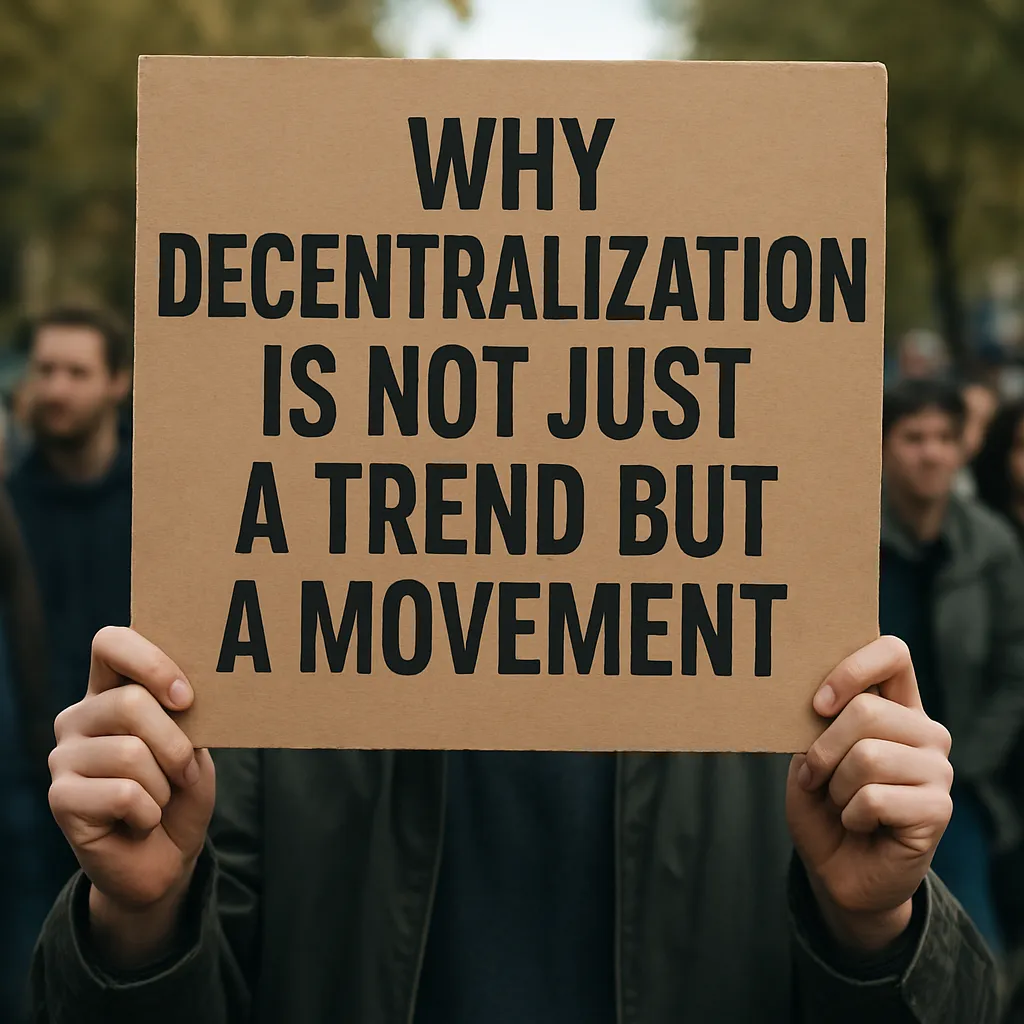
The rapid evolution of cryptocurrency is reshaping how people interact, trade, and build value in their communities. By leveraging the power of blockchain technology, digital assets are creating new models of cooperation, trust, and economic opportunity. This article explores how decentralized networks and token-based incentives empower individuals, foster inclusive growth, and pave the way for resilient, community-driven economies.
Community Empowerment Through Tokenization
Ownership and Governance
Tokenization transforms participants from spectators into stakeholders by granting them verifiable ownership rights. Through digital tokens, community members can hold shares in local projects, vote on development proposals, and earn rewards proportionate to their contributions. This shift from centralized control to collective decision-making underlines the concept of decentralization—a core principle enabling individuals to co-create and co-manage economic ecosystems without reliance on traditional intermediaries.
Decentralized Decision-Making
Decentralized Autonomous Organizations (DAOs) exemplify how programmable governance can function in practice. By encoding rules into smart contracts, DAOs allow token holders to propose, debate, and vote on initiatives transparently. This model reduces friction in decision-making, ensures accountability, and eliminates the risk of unilateral manipulation. Communities ranging from art collectives to open-source software projects are discovering that on-chain governance enhances engagement and fosters long-term commitment.
Open Finance and Inclusive Growth
DeFi Platforms Democratizing Access
Decentralized Finance (DeFi) protocols are breaking down barriers that have historically excluded vast populations from financial services. By leveraging peer-to-peer lending, yield farming, and automated market making, DeFi platforms offer loans, savings, and investment products without requiring credit history or centralized approval. This democratization enhances inclusivity by empowering unbanked and underbanked individuals to participate in global markets.
Microfinance on Blockchain
Blockchain-based microfinance initiatives are transforming how capital flows to small businesses and entrepreneurs in emerging economies. Smart contracts automate loan disbursements and repayments, reducing operational costs and enabling transparent tracking of funds. Investors can monitor impact metrics in real time, ensuring that their capital fosters sustainable local development. This synergy between on-chain finance and grassroots entrepreneurship cultivates resilient economies centered on trust and shared prosperity.
Building Trust with Transparency
Immutable Records and Auditability
One of the most powerful attributes of blockchain is its capacity to provide transparency without sacrificing security. Every transaction is recorded on a public ledger, creating an auditable trail that discourages fraud and corruption. Community projects can publish budgets, expenditure reports, and progress milestones on-chain, assuring stakeholders that resources are allocated responsibly. This transparent framework nurtures confidence, strengthens social bonds, and promotes ethical conduct.
Interoperability and Network Effects
As diverse blockchain networks become interoperable, resources and value can seamlessly flow across ecosystems. Protocols that bridge assets and information enable communities to collaborate beyond geographical boundaries, multiplying the benefits of collective intelligence. By adopting cross-chain standards, developers and participants can access global liquidity pools, share best practices, and co-create innovative financial instruments. This interoperability magnifies the reach and impact of community-driven economies.
Challenges and Future Directions
Scalability and Environmental Impact
Despite its promise, blockchain technology faces challenges related to scalability and energy consumption. High transaction fees and network congestion can hamper the accessibility of decentralized services. Meanwhile, proof-of-work consensus algorithms contribute to significant carbon emissions. The industry is addressing these issues through innovations like proof-of-stake mechanisms, layer-2 solutions, and more efficient consensus models. Continued research and development are crucial to ensuring that community-driven economies remain sustainable and inclusive.
Regulatory Landscape and Adoption
The evolving regulatory environment presents both opportunities and uncertainties for crypto-based communities. Clear, consistent policies can encourage institutional participation and protect consumers, while overly restrictive frameworks risk stifling innovation. Collaborative dialogue between policymakers, technologists, and civil society is essential to design regulations that balance security, privacy, and economic freedom. As regulatory clarity emerges, more communities will feel confident exploring decentralized models and integrating digital assets into everyday life.
Innovations Shaping Community Economies
Social Tokens and Content Monetization
Social tokens empower creators to monetize their reputation and content through decentralized platforms. Fans purchase tokens to support artists, gain access to exclusive experiences, and engage in governance over creative projects. This model realigns incentives, enabling direct value exchange between creators and audiences. By eliminating intermediaries, social tokens foster authentic relationships and sustainable revenue streams for digital communities.
Sustainable Incentive Structures
Designing incentive mechanisms that prioritize long-term engagement over short-term gains is fundamental for resilient community economies. Tokenomics models can reward contributions such as content creation, curation, and community moderation. By aligning rewards with desired behaviors, projects promote healthy growth, collaboration, and shared ownership. Striking a balance between token distribution, vesting schedules, and governance power is key to cultivating a lasting ecosystem.
Emerging Trends and Community Impact
Decentralized Identity and Reputation Systems
Self-sovereign identity solutions grant individuals control over their personal data while establishing verifiable reputations on-chain. Communities can leverage these identities to vet members, distribute rewards, and safeguard against malicious actors. By reducing reliance on centralized authorities, decentralized identities strengthen privacy and security in collaborative environments, fostering trust and accountability.
Cross-Chain Collaborations
Emerging cross-chain protocols facilitate the seamless exchange of assets and information across multiple blockchain ecosystems. These collaborations expand community participation by removing technical barriers to entry and enabling developers to integrate diverse functionalities. As networks converge, participants can tap into broader liquidity, participate in cross-community governance, and co-develop applications that transcend ecosystem boundaries.
Conclusion of Innovations
Long-Term Outlook
As cryptocurrency continues to mature, its most transformative potential lies in empowering communities with the tools to self-organize, govern, and thrive economically. By embracing principles of sustainability, transparency, and governance innovation, decentralized networks can catalyze inclusive development and social cohesion at scale. The ongoing evolution of blockchain interoperability, identity frameworks, and incentive designs will shape the future of community-driven economies, unlocking new pathways for collaboration and shared prosperity.