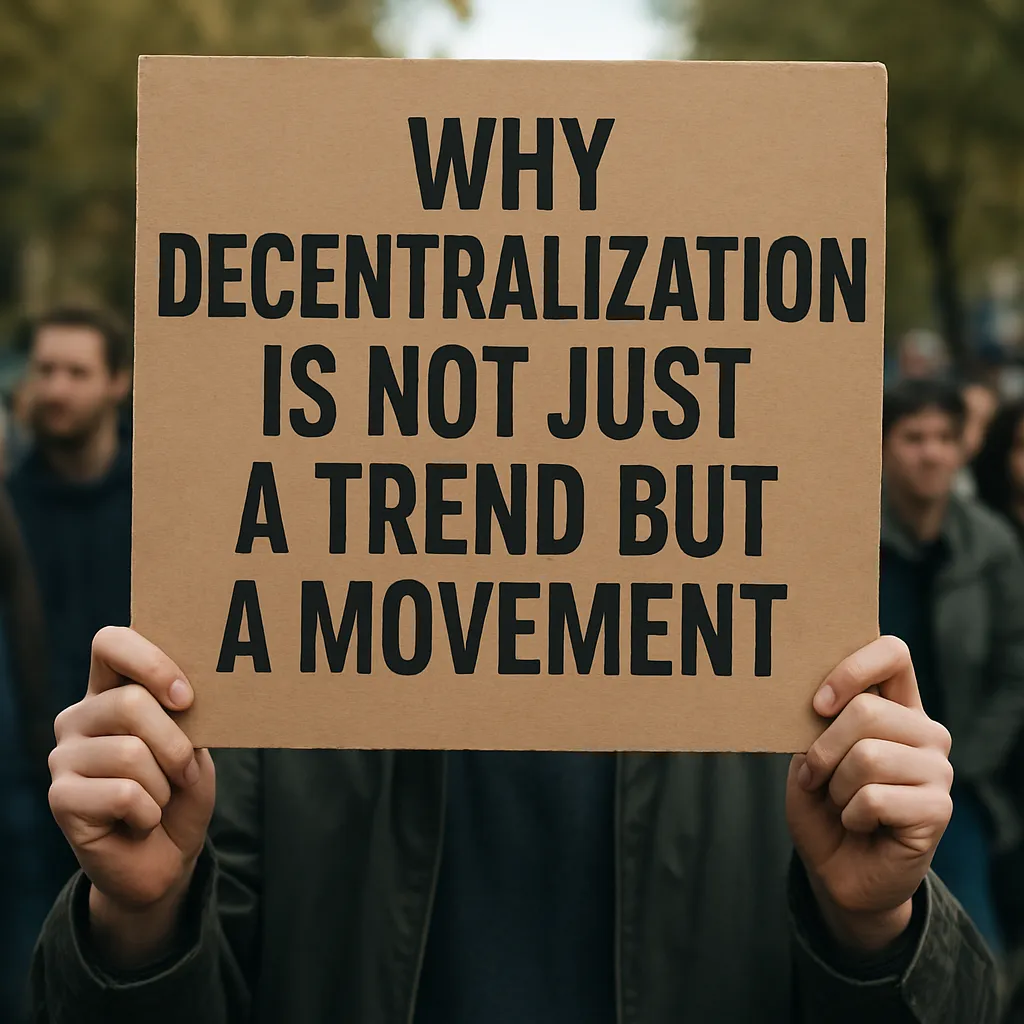
Blockchain technology has revolutionized the way individuals interact with money and data. By removing intermediaries and enabling direct transactions, cryptocurrency fosters decentralization and grants users unprecedented control over their assets. This shift empowers people to reclaim financial freedom and challenge traditional power structures that have long dictated economic participation.
The Evolution of Digital Money
When Satoshi Nakamoto introduced Bitcoin in 2009, the concept of peer-to-peer electronic cash signaled the dawn of a new era. No longer were banks the sole arbiters of trust in financial systems. Instead, a distributed ledger—known as the blockchain—became a transparent record of every transaction, secured by cryptographic proof rather than centralized authority.
The key innovation lay in combining immutability with consensus mechanisms. Transactions batched into blocks are linked in chronological order, creating an auditable chain. Attempts to alter past transactions are thwarted by the need to re-mine every successive block, making Tamper-Resistance a core feature.
Over time, the digital currency ecosystem expanded beyond Bitcoin. Platforms like Ethereum introduced programmable contracts, giving rise to smart contracts that automatically execute agreements when predefined conditions are met. This development transformed the blockchain into a global, trustless computer capable of hosting decentralized applications (dApps).
From stablecoins pegged to fiat currencies to privacy-focused coins employing advanced encryption, the diversity of crypto assets addresses varied needs. Some prioritize speed and scalability, others emphasize confidentiality, and many innovate on governance through decentralized autonomous organizations (DAOs). Each solution contributes to a broader vision of finance liberated from top-down control.
Finance in the Hands of the People
Traditional banking often imposes high fees, restrictive access, and unpredictable censorship. In contrast, cryptocurrency platforms enable anyone with an internet connection to participate in global markets. Users retain self-custody of private keys, meaning they alone hold the power to authorize transactions—no central entity can freeze or seize their funds.
Decentralized Finance (DeFi) protocols illustrate the transformative potential of open-source money legos. Through smart contracts, individuals can lend assets, earn interest, provide liquidity, or trade derivatives without intermediaries. These protocols operate 24/7, maintaining transparency by publishing every variable on public blockchains.
- Automated Market Makers (AMMs) eliminate order books, allowing liquidity pools to facilitate trades with minimal slippage.
- Yield farming strategies enable users to allocate capital across multiple protocols, optimizing returns through algorithmic incentives.
- Decentralized stablecoins maintain price stability via over-collateralization, oracle-based adjustments, or algorithmic supply controls.
Such innovations shift the balance of power. Instead of depositing money into a bank and trusting it to manage assets, people directly engage with code. This grants them full visibility into fee structures, collateralization ratios, and risk parameters, ushering in a level of transparency previously unimaginable in finance.
Moreover, crypto bridges the unbanked and underbanked populations to global commerce. Mobile-based wallets let users in developing regions receive remittances instantly, bypassing expensive correspondent banking networks. In places where inflation erodes local currency value, stablecoins offer a refuge, preserving purchasing power and enabling long-term planning.
Breaking the Chains of Censorship
Centralized platforms and governments often wield the power to freeze accounts, block payments, or surveil user activity. Cryptocurrencies resist such control through censorship-resistant infrastructure. Mining nodes and validating nodes operate worldwide, making it difficult for any single party to impose shutdowns or filters.
Peer-to-peer exchanges and decentralized marketplaces allow individuals to trade assets without compliance to one jurisdiction’s rules. Even if certain jurisdictions ban crypto services, users can still connect to global networks via VPNs or Tor, maintaining pseudonymity and freedom of association.
Privacy coins like Monero and Zcash take anonymity a step further, obscuring transaction details through ring signatures or zero-knowledge proofs. For activists, journalists, and whistleblowers operating under oppressive regimes, these tools become vital for secure communication and fundraising. Crypto donations can flow directly to causes, circumventing government-imposed financial blackouts.
Use Cases in Censorship Resistance
- Fundraising for independent media and human rights organizations outside state-controlled channels.
- Private peer-to-peer payments for emergency relief in conflict zones.
- Secure compensation for freelance work, avoiding local currency devaluation and capital controls.
By dismantling gatekeepers, cryptocurrency fosters a resilient ecosystem where information and value travel freely. The network effect grows stronger as more people embrace decentralized protocols, reinforcing the system’s sovereignty against authoritarian interference.
Challenges and Future Horizons
Despite its promise, cryptocurrency faces obstacles. Volatility remains a barrier for mainstream adoption, while regulatory uncertainty creates friction. Governments worry about illicit activities, leading to a patchwork of laws that can stifle innovation. Scalability issues also plague some networks, resulting in high fees and congestion during peak usage.
Technical advancements—such as layer-two solutions, sharding, and cross-chain interoperability—seek to address throughput and cost concerns. Projects like the Lightning Network for Bitcoin and Plasma for Ethereum illustrate efforts to offload transactions from main chains, preserving speed and affordability without sacrificing security.
Regulators are gradually recognizing the benefits of digital assets. Some nations craft balanced frameworks that protect consumers while encouraging development. Central bank digital currencies (CBDCs) emerge as state-backed alternatives, yet they often lack the trustless and permissionless qualities that define true decentralization.
Looking ahead, decentralized identity systems and tokenized real-world assets promise to bridge digital and physical economies. Innovations in governance—such as quadratic voting and futarchy—could revolutionize how communities make decisions, ensuring that power distributes more equitably among stakeholders.
Ultimately, cryptocurrency’s trajectory depends on a collective commitment to open standards and collaborative development. As the ecosystem matures, users will wield ever-greater control over their finances, data, and privacy. By embracing the principles of empowerment and open-source collaboration, society stands poised to redefine the meaning of economic freedom.