The proliferation of Bitcoin ATMs has stirred conversations across financial, technological, and regulatory circles. As the world steadily embraces digital currencies, these kiosks promise a bridge between traditional cash and the decentralized universe of cryptocurrency. But are they genuinely worth using? This article delves into their evolution, mechanics, benefits, and challenges, offering insights for both seasoned crypto enthusiasts and curious newcomers.
The Evolution of Cryptocurrency Accessibility
When Bitcoin first emerged in 2009, access required downloading software, mining, or participating in complex peer-to-peer transactions. Early adopters navigated steep learning curves, grappling with private keys and wallet backups. Over time, centralized exchanges appeared, simplifying buy-sell operations but introducing custodial risks. The advent of Bitcoin ATMs marked a significant step toward tangible interaction with digital assets.
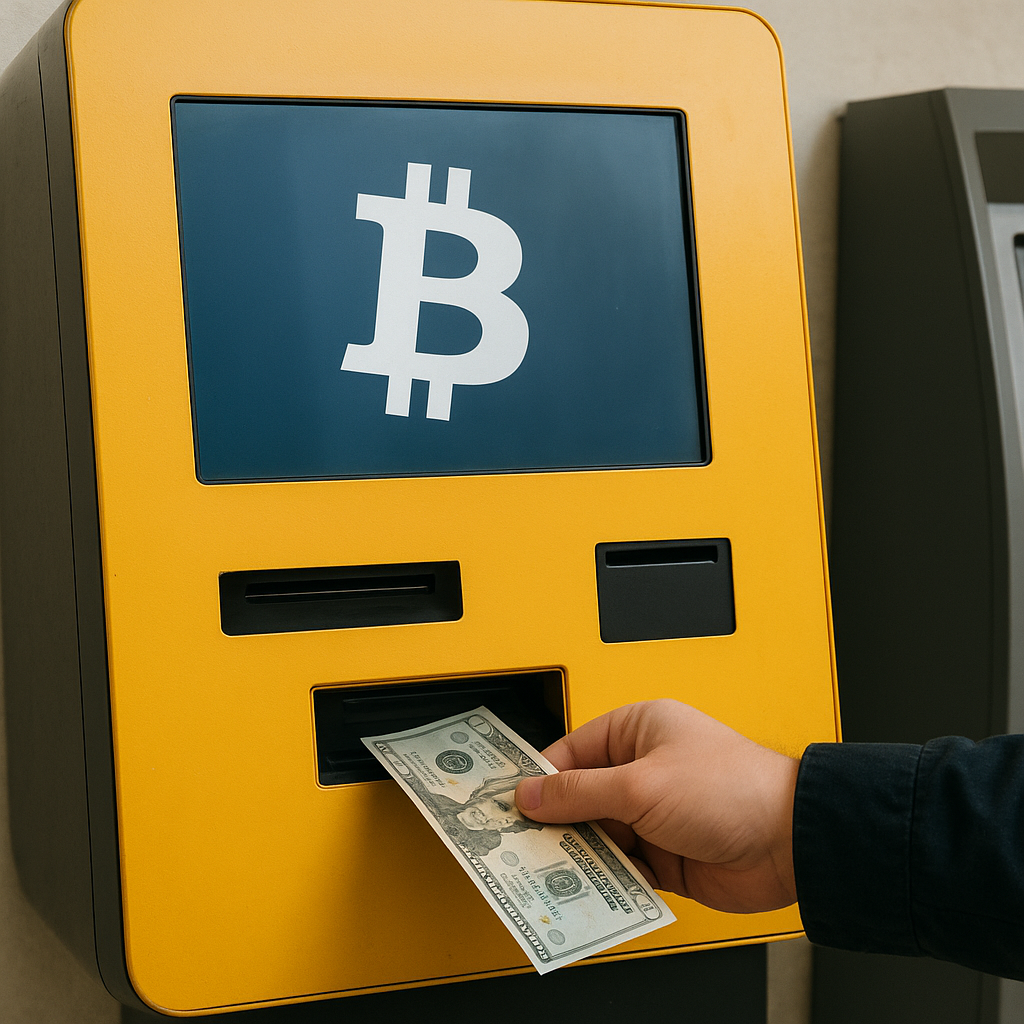
By the mid-2010s, operators began installing machines in shopping malls, convenience stores, and transport hubs. These kiosks offered users a straightforward path: insert cash to acquire Bitcoin or redeem crypto for fiat currency. The number of ATMs soared globally, reflecting growing demand for convenience and immediate transactions. Today, thousands of units stand ready in over 70 countries, underlining a shift toward mainstream adoption.
How Bitcoin ATMs Work
At their core, Bitcoin ATMs function similarly to traditional bank ATMs but connect to cryptocurrency networks rather than banking systems. They usually follow these steps:
- Identity Verification: Many machines require KYC (Know Your Customer) checks. Users scan an ID or share a phone number to comply with anti–money laundering regulations.
- Wallet Address Input: Patrons provide a public address by scanning a QR code from their mobile wallet or printing a paper wallet directly at the machine.
- Cash Insertion or Withdrawal: For purchases, users insert bills; for withdrawals, they confirm the amount of cryptocurrency to exchange into fiat.
- Network Confirmation: Transactions broadcast to the blockchain. Depending on network congestion and ATM settings, confirmation can take minutes to confirm.
- Receipt and Dispensing: Once confirmed, the ATM prints a receipt or dispenses cash. Digital wallets update asynchronously as blockchain confirmations progress.
Behind the scenes, operators integrate with exchanges and liquidity providers, balancing the kiosk’s Bitcoin reserves and fiat holdings. Machine uptime and maintenance ensure uninterrupted service.
Benefits and Drawbacks of Bitcoin ATMs
These terminals bring unique advantages but also entail certain limitations. Evaluating both sides helps determine if they suit individual needs.
Advantages
- Instant Access: Fund acquisition or liquidation within minutes, bypassing lengthy verification on online platforms.
- Ease of Use: Intuitive interfaces cater to non-technical users, making crypto less intimidating.
- Privacy: Lower-tier transactions often require minimal personal data compared to online exchanges.
- Physical Presence: Kiosks in malls and retail outlets offer trust through visible infrastructure.
Disadvantages
- High Fees: ATM operators typically charge premium rates—sometimes 8–12% per transaction—eroding investment value.
- Limited Availability: Locations remain concentrated in urban centers; rural regions may lack access.
- Transaction Limits: Many machines impose daily caps on cash in or outflows, restricting large-volume traders.
- Regulatory Complexity: Varying local laws mean inconsistent KYC/AML requirements; some machines force full ID verification even for small purchases.
Security and Compliance Considerations
Given the pseudonymous nature of cryptocurrency, compliance measures play a vital role at ATMs. Operators adhere to strict anti–money laundering and counter-terrorism financing standards. However, security concerns persist:
- Physical Tampering: Machines in unsupervised areas risk skimming devices or vandalism.
- Software Vulnerabilities: Outdated firmware or weak encryption can expose transaction data and user addresses.
- Exit Scams: Disreputable operators may vanish, leaving users unable to complete transactions or claim refunds.
To mitigate these risks, reputable ATM networks implement regular audits, biometric authentication options, and real-time monitoring. Users are encouraged to verify operator credentials and inspect machines for tampering before transacting.
Future Prospects and Innovations
As the cryptocurrency ecosystem advances, Bitcoin ATMs may evolve in several ways:
- Multi-Currency Support: Integrating Ethereum, Litecoin, stablecoins, and emerging tokens to cater to diverse portfolios.
- Enhanced Privacy: Incorporating zero-knowledge proofs or decentralized identity solutions to reduce data collection.
- Integration with DeFi: Enabling direct access to lending, staking, or yield farming protocols right from the kiosk interface.
- Renewable Energy: Deploying solar-powered units to expand service to off-grid or remote locations.
Moreover, partnerships with retail chains and financial institutions could see Bitcoin ATMs become commonplace fixtures, further bridging the gap between fiat and crypto worlds. Innovations in user experience, such as voice-assisted transactions or augmented reality instructions, may also lower barriers for older or less tech-savvy demographics.