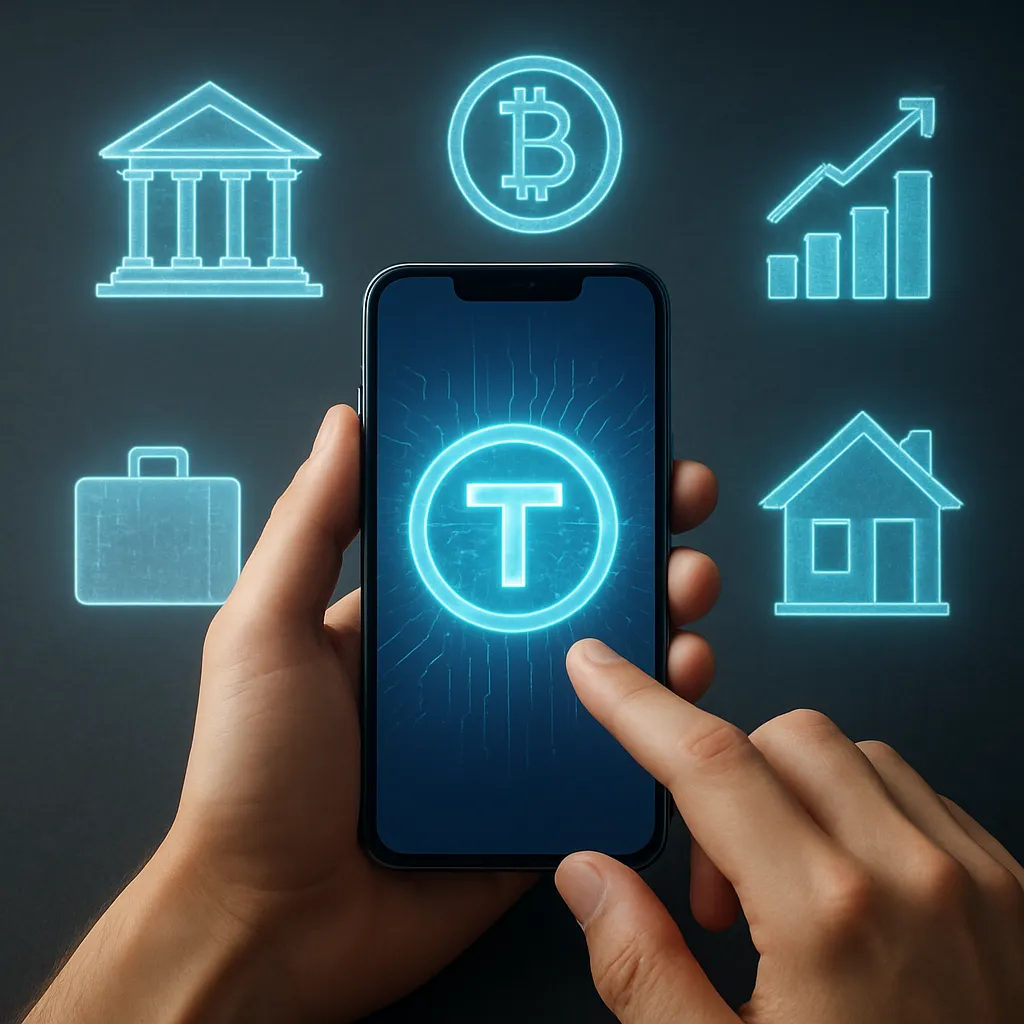
Managing personal finances with cryptocurrency income requires a blend of traditional money management principles and an understanding of the unique characteristics of digital assets. As crypto adoption grows, individuals are increasingly earning salaries, staking rewards, or freelance payments in digital currencies. This article explores essential strategies to track, budget, and optimize your crypto-derived income, ensuring long-term financial health and compliance.
Understanding Crypto Income Streams
Cryptocurrency income can stem from several sources, each with its own dynamics and risk profile. Identifying and categorizing these streams helps in accurate record-keeping and informed decision-making.
Salary and Freelance Payments
- Direct payroll disbursement in digital currencies
- Freelance platforms offering crypto payouts
- Negotiating terms: fixed amounts vs. value-pegged payments
Staking and Yield-Generating Activities
- Staking: locking tokens to secure a network and earn rewards
- Yield farming on decentralized finance (DeFi) platforms
- Liquidity provisioning and automated market maker (AMM) incentives
Mining and Node Operation
- Proof-of-Work (PoW) mining setups and associated costs
- Running validator nodes for Proof-of-Stake (PoS) networks
- Evaluating electricity, hardware, and maintenance expenses
Tracking and Budgeting Digital Earnings
Once you receive crypto income, maintaining a clear overview of inflows and outflows is crucial. Implementing robust tracking methods helps mitigate volatility and align your spending with financial goals.
Portfolio Management Tools
- Desktop and mobile apps for real-time value aggregation
- Features: price alerts, transaction history, and performance charts
- Integrations with major exchanges and cryptocurrency wallets
Setting Budget Categories
- Essential expenses: rent, utilities, groceries
- Investment allocation: reinvest in crypto or diversify into other assets
- Discretionary spending: entertainment, travel, hobbies
Managing Volatility
- Converting a portion of crypto income to stablecoins
- Automated transfers into fiat accounts on paydays
- Maintaining an emergency fund in low-risk assets
Tax Implications and Regulatory Compliance
Navigating the evolving landscape of cryptocurrency taxation and regulatory frameworks is essential to avoid penalties and optimize your net income.
Record-Keeping Best Practices
- Documenting timestamped transaction logs
- Capturing exchange rate at the moment of each deposit
- Maintaining invoices for services paid in crypto
Taxable Events
- Receiving crypto as income: treated as ordinary income based on fair market value
- Converting crypto to fiat: potential capital gains or losses
- Exchanging one token for another: taxable disposed assets
Utilizing Professional Services
- Hiring accountants with crypto expertise
- Software solutions for automated tax reporting
- Staying updated on jurisdiction-specific regulations
Security and Risk Management
Securing your digital wealth is paramount. Implementing rigorous safety measures protects against hacking, loss of keys, and unauthorized access.
Wallet Security
- Hardware wallets for cold storage of private keys
- Multi-signature setups to distribute control over funds
- Regular firmware updates and secure backup strategies
Safeguarding Access Credentials
- Unique, complex passwords for each exchange and wallet
- Two-factor authentication (2FA) and biometric locks
- Avoiding phishing by verifying site certificates and URLs
Insurance and Asset Protection
- Emerging crypto insurance policies for theft and smart contract failures
- Structuring funds across multiple platforms to reduce counterparty risk
- Regular risk assessments and contingency planning
Long-Term Strategies and Diversification
Building wealth through cryptocurrency requires a blend of short-term agility and a long-term mindset. Diversification across asset classes can help stabilize returns and reduce exposure to market swings.
Asset Allocation Models
- Balancing allocation between established coins like Bitcoin and emerging altcoins
- Integrating traditional assets: stocks, bonds, real estate
- Periodic rebalancing to maintain target portfolio ratios
Exploring Alternative Crypto Opportunities
- Investing in decentralized applications (dApps) and smart contracts
- Participating in token sales and initial DEX offerings (IDOs)
- Yield strategies: staking, lending, and liquidity pools
Monitoring Market Trends
- Following blockchain development updates and network upgrades
- Analyzing on-chain data: transaction volumes, active addresses
- Staying informed about global economic factors influencing crypto demand
Psychology and Discipline in Crypto Finance
Emotional control and disciplined habits distinguish successful crypto earners from those derailed by FOMO and panic selling. Cultivating a healthy mindset ensures consistent progress towards financial goals.
Establishing Routine Reviews
- Weekly portfolio check-ins
- Monthly budget reconciliations
- Quarterly risk and performance assessments
Avoiding Cognitive Biases
- Resisting the urge to chase pumps during bull runs
- Overcoming loss aversion when markets dip
- Maintaining perspective through market cycles
Building a Support Network
- Joining communities of like-minded crypto savers
- Engaging with financial mentors and expert advisors
- Participating in webinars and workshops on advanced strategies
Integrating Crypto Income into Overall Financial Plan
For sustained success, digital asset earnings should align with broader financial objectives such as retirement, home ownership, or education funding. Viewing crypto as part of a holistic plan fosters balance and resilience.
Retirement Accounts and Crypto
- Self-directed IRAs allowing digital asset holdings
- Comparing tax advantages vs. liquidity constraints
- Assessing custodian fees and security measures
Real Estate and Large Purchases
- Converting crypto gains to finance down payments
- Exploring mortgage providers accepting digital currency
- Structuring transactions to optimize tax outcomes
Education and Skill Development
- Reinvesting a portion of crypto income in knowledge acquisition
- Courses on blockchain programming, DeFi protocols, and security
- Networking opportunities through specialized conferences