Building a successful Web3 startup involves navigating a rapidly evolving landscape of digital assets, decentralized networks, and community-driven innovation. By mastering the core concepts of cryptocurrency and applying strategic approaches to development, funding, and governance, founders can position their projects for long-term impact. This guide delves into essential aspects you need to know to transform your vision into a thriving Web3 business.
Understanding Cryptocurrency Fundamentals
Defining Key Concepts
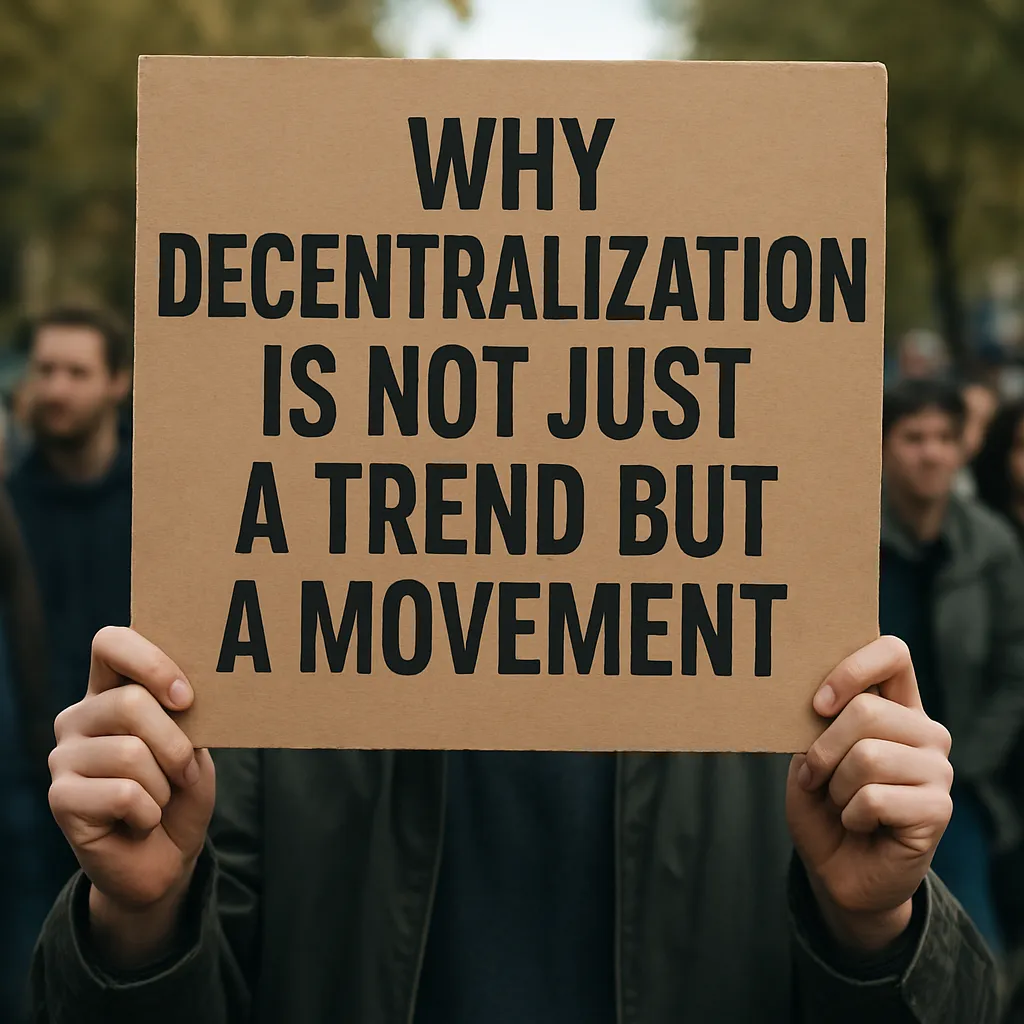
At the heart of any Web3 startup lies the blockchain, a distributed ledger that records transactions in a transparent and tamper-resistant manner. Unlike traditional databases controlled by centralized authorities, blockchains enable decentralization, ensuring that no single entity can unilaterally alter or censor data.
Cryptocurrencies are digital tokens that operate on these networks, serving as mediums of exchange, stores of value, or governance instruments. Well-designed tokenomics align incentives between developers, contributors, and users, fostering sustainable ecosystems.
Smart Contracts and Interoperability
Smart contracts are programmable agreements that execute automatically once predefined conditions are met. They eliminate intermediaries, reduce counterparty risk, and enable complex financial primitives like lending, staking, and automated market making. Interoperability protocols connect diverse blockchains, allowing assets and data to move seamlessly across networks. Achieving high interoperability is critical for scaling your startup beyond a single siloed ecosystem.
Essential Components of a Web3 Startup
Product-Market Fit in Decentralized Contexts
Identifying genuine user pain points and demonstrating how your solution leverages blockchain for real-world benefits is fundamental. Whether aiming to revolutionize finance, supply chains, or digital identity, focus on creating a minimum viable product (MVP) that showcases your value proposition. Conduct thorough user research, engage in community forums, and iterate rapidly based on feedback.
Building a Strong Community
A loyal and engaged community acts as both early adopters and evangelists. Utilize social media channels, decentralized discussion platforms, and governance forums to foster transparent dialogue. Implement community-driven initiatives like airdrops, hackathons, and developer grants to reward participation. Cultivating trust through on-chain voting mechanisms and clear decision-making processes strengthens your startup’s reputation.
Designing Robust Tokenomics
Effective tokenomics involves carefully balancing supply distribution, vesting schedules, and incentive structures. Key considerations include:
- Initial token allocation among founders, investors, and community members
- Mechanisms to control inflation or deflation based on network usage
- Incentive layers for staking, liquidity provision, and governance participation
Well-structured token models align long-term stakeholder interests and help maintain network health.
Strategies for Building and Scaling
Fundraising and Financial Planning
Securing capital is often the first major hurdle. Popular fundraising methods include:
- Initial Coin Offerings (ICOs) or Token Generation Events (TGEs)
- Venture capital and strategic angel investments
- Decentralized Autonomous Organization (DAO) treasury contributions
Balance immediate liquidity needs with dilution concerns. Establish a clear runway plan, allocating funds towards product development, marketing, compliance, and security audits.
Emphasizing Security and Audits
Blockchain applications often handle significant value, making security paramount. Engage reputable auditors to review smart contracts and infrastructure. Implement continuous monitoring and bug bounty programs to identify vulnerabilities early. Coordinate with industry standards organizations to adopt best practices in key management, encryption, and incident response.
Driving User Adoption
Achieving critical mass requires both technical excellence and user-centric design. Simplify wallet onboarding, integrate popular fiat on-ramps, and provide intuitive dashboards. Enhance network effects by enabling cross-protocol collaborations, partnerships, and integrations. Track key performance indicators (KPIs) such as daily active users, transaction volume, and retention rates to refine growth strategies.
Navigating Regulatory and Governance Challenges
Compliance and Legal Frameworks
Blockchain regulations vary across jurisdictions. Stay informed about securities laws, anti-money laundering (AML) requirements, and taxation policies. Collaborate with legal advisors specializing in digital assets to structure compliant token offerings and corporate entities. Transparent disclosures and robust Know Your Customer (KYC) processes mitigate regulatory risks.
Decentralized Governance Models
Implementing on-chain governance mechanisms empowers stakeholders to propose and vote on protocol upgrades, treasury allocations, and policy changes. Effective governance balances decentralization with efficiency, avoiding decision-making bottlenecks while preserving community trust. Utilize tools like snapshot voting, quadratic voting, and multisignature wallets to bolster accountability.
Advanced Growth Tactics
Partnerships and Ecosystem Integration
Collaborative alliances with established projects and ecosystem players accelerate adoption. Co-develop features, share liquidity pools, or launch joint marketing campaigns. Interoperability bridges and cross-chain protocols expand your user base and unlock new use cases.
Scaling Infrastructure and Performance
As transaction demand surges, layer-2 solutions and sidechains help maintain low fees and high throughput. Evaluate rollups, state channels, or sharding approaches to ensure scalability. Optimize node architecture, caching layers, and data indexing for responsive user experiences.
Measuring Success and Iteration
Data-driven decision-making is critical for sustainable growth. Track metrics at every stage:
- Deployment metrics: transaction latency, error rates
- User behavior: onboarding funnel completion, feature usage
- Economic indicators: token velocity, staking ratios
Regularly review performance, solicit community feedback, and iterate on both technical and strategic fronts.