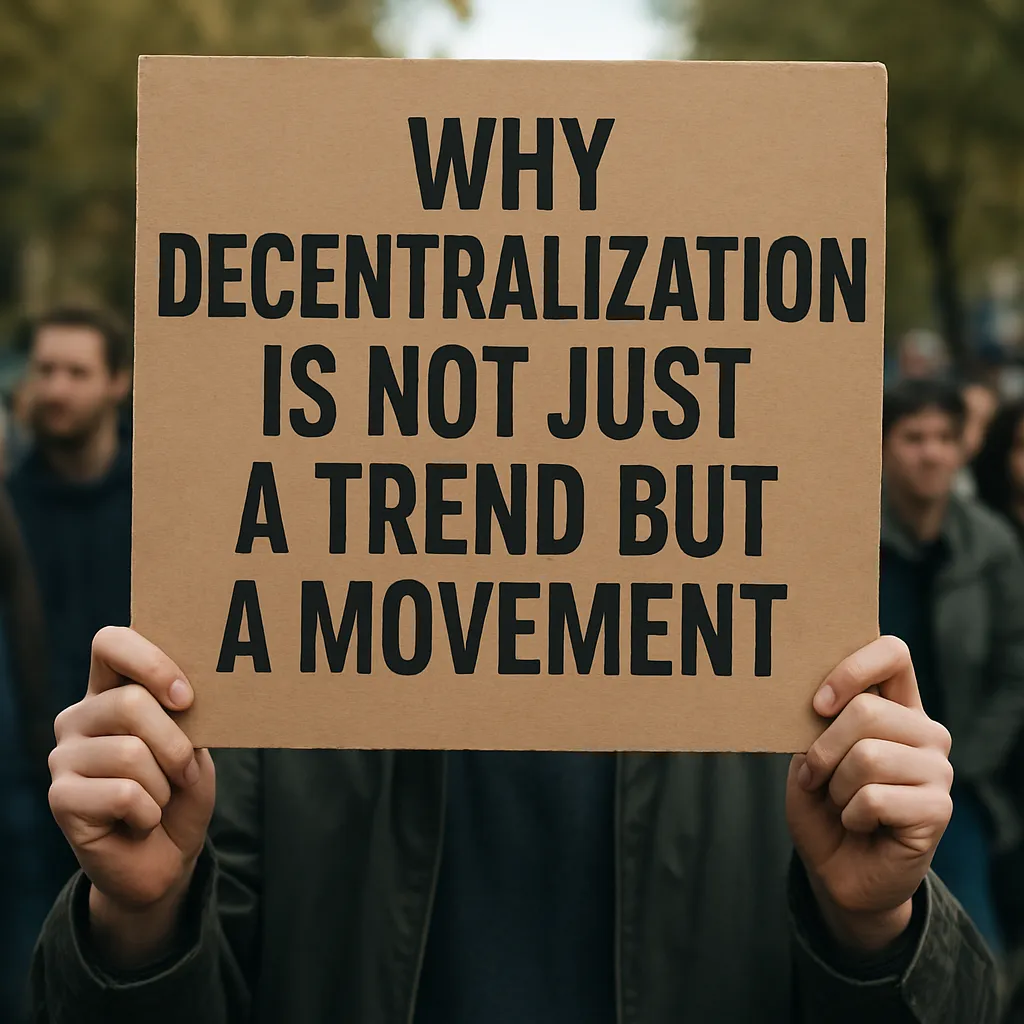
The rise of digital currencies has ushered in a new era of financial innovation, challenging traditional systems and redefining the concept of value exchange. Beyond Bitcoin’s meteoric ascent, an expansive ecosystem of tokens, platforms, and protocols continues to emerge, each promising unique solutions for global challenges. This article explores the multifaceted world of cryptocurrency, delving into its evolution, technological breakthroughs, decentralized finance, and the road ahead.
Understanding the Evolution of Cryptocurrency
Since its inception, cryptocurrency has evolved from an experimental digital medium to a mainstream financial instrument. Early enthusiasts hailed it as a tool for decentralization, offering trustless transactions without intermediary banks. Over time, communities grew around improving core protocols, enhancing security, and refining governance structures. The result is an array of projects addressing diverse use cases, from peer-to-peer payments to digital identity and supply chain tracking.
Origins and Early Developments
The first breakthrough arrived in 2009 with Bitcoin, introduced by the pseudonymous Satoshi Nakamoto. It demonstrated that a network of nodes could maintain a shared ledger—the blockchain—without any central authority. This design underscored the principles of transparency and immutability, inspiring developers worldwide to explore alternative consensus mechanisms and feature sets. Soon after, Ethereum launched in 2015, embedding a Turing-complete virtual machine into the blockchain, allowing for programmable contracts and on-chain logic.
Key Milestones
- 2009: Bitcoin’s genesis block and the birth of the first public blockchain.
- 2012: Emergence of Litecoin and an early proof-of-stake variant.
- 2015: Ethereum’s mainnet went live, enabling smart contracts.
- 2017: ICO boom, raising billions through token sales, spotlighting regulatory gaps.
- 2020–2021: DeFi summer, with decentralized exchanges and lending platforms skyrocketing.
Blockchain Innovations and Beyond
While foundational networks proved the model’s viability, scalability and energy consumption remained critical concerns. These challenges spurred a wave of research into new architectures, including sharding, layer-2 rollups, and alternative consensus algorithms like proof-of-stake and delegated proof-of-stake. Projects striving for higher throughput and lower fees have transformed blockchains from niche experiments to potential backbone infrastructures for global commerce.
Layer-2 and Scaling Solutions
Layer-2 protocols such as rollups and state channels aim to alleviate congestion by moving most transactions off-chain while relying on the primary chain for final settlement. This hybrid approach boosts transaction speeds and reduces costs, facilitating microtransactions and gaming applications where near-instant confirmations are essential.
Interoperability and Cross-Chain Bridges
No single network can serve every purpose. Interoperability projects connect disparate blockchains, enabling asset transfers and data sharing across ecosystems. Through cross-chain bridges and standardized messaging protocols, users can leverage the strengths of multiple networks, enhancing liquidity and fostering collaborative innovation.
Key Innovations at a Glance
- Sharding: Partitioning the network to process parallel transactions.
- Proof-of-Stake: Reducing energy usage by selecting validators based on stake.
- Sidechains: Independent chains pegged to a mainnet for customized features.
- Zero-Knowledge Proofs: Enhancing privacy by validating data without revealing it.
Decentralized Finance and Smart Contracts
Decentralized Finance, or DeFi, has emerged as one of the most transformative applications of blockchain technology. By replacing traditional financial intermediaries with smart contracts—self-executing code on the blockchain—DeFi platforms offer lending, borrowing, trading, and yield farming in a permissionless environment. Anyone with an internet connection can access these services, irrespective of geography or banking history.
Lending and Borrowing Platforms
On DeFi protocols, users lock their digital assets into liquidity pools and earn interest, while borrowers provide collateral to access loans. Dynamic interest rates incentivize market equilibrium, and algorithms adjust collateral requirements in real time to mitigate risk. This system exemplifies transparency, as every transaction and reserve ratio remains publicly auditable.
Automated Market Makers and Decentralized Exchanges
Traditional order books give way to automated market makers (AMMs), smart contract-based liquidity pools that facilitate swaps between token pairs. Users known as liquidity providers supply tokens to these pools and receive a proportional share of trading fees. AMMs democratize market making, allowing small holders to participate in liquidity provision.
- Yield Farming: Chaining multiple protocols together to maximize returns.
- Staking: Locking tokens for network security and earning rewards.
- Governance Tokens: Granting holders voting rights on protocol changes.
Challenges and Future Directions
Despite rapid progress, the industry faces significant hurdles. Scalability bottlenecks persist on many networks, and regulatory uncertainty looms large as governments grapple with classification and oversight. Security risks, including smart contract exploits and bridge hacks, highlight the need for robust auditing and standardized best practices. Nevertheless, ongoing research and collaboration suggest that the next wave of solutions may overcome these barriers.
Regulatory and Compliance Considerations
Authorities worldwide are developing frameworks to address taxation, consumer protection, and anti-money laundering. Striking a balance between innovation and oversight remains crucial. Clear guidelines could bolster institutional adoption, infusing more capital into the space while safeguarding participants.
The Road to Mass Adoption
For cryptocurrency to reach mainstream use, user experience must improve. Simplified wallets, seamless fiat on-ramps, and intuitive interfaces will bridge the gap between complex DeFi protocols and everyday users. Educational initiatives and transparent communication can demystify blockchain’s technical underpinnings, fostering broader trust.
- Enhanced Privacy: Incorporating zero-knowledge techniques for confidential transactions.
- Green Consensus: Adopting eco-friendly validation methods.
- Tokenization of Real Assets: Digitizing property, art, and commodities on-chain.
- Decentralized Governance: Leveraging on-chain voting for protocol evolution.
As the ecosystem matures, the principles of innovation and governance will shape how digital assets reintegrate into global finance. The journey from niche experiment to foundational infrastructure remains ongoing, but the potential for transformative impact on commerce, identity, and resource allocation is undeniable.