The rapid evolution of digital finance has reshaped how value is transferred and stored. From decentralized ledgers to tokenized art, the intersection of cryptocurrency and non-fungible tokens (NFTs) has given rise to groundbreaking mechanisms for **monetization**, **ownership**, and creator incentives. Among these innovations, NFT royalties have emerged as a crucial tool, empowering artists, musicians, and digital creators to earn ongoing revenue for their work.
Fundamentals of Cryptocurrency
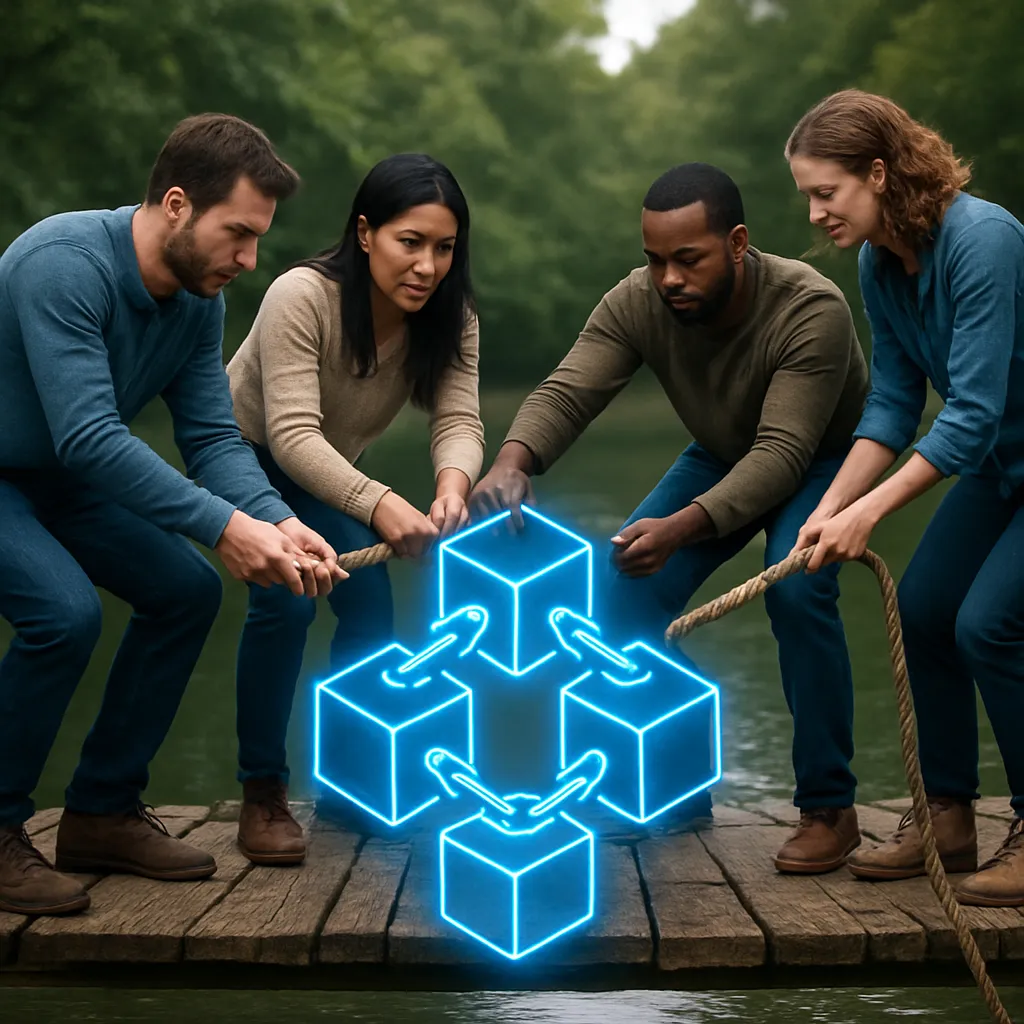
Cryptocurrency relies on a decentralized network of participants, secured by cryptographic techniques and governed by **blockchain** protocols. Unlike traditional currencies issued by central authorities, digital coins such as Bitcoin and Ethereum operate on peer-to-peer systems that validate transactions through consensus. This ensures:
- Transparency of transaction history
- Immutability of recorded data
- Security against unauthorized manipulation
At its core, a blockchain is a linked sequence of blocks, each containing a batch of validated transactions. Miners or validators compete or cooperate to add new blocks, earning rewards denominated in the network’s native token. Over time, smart contracts—self-executing code snippets living on the blockchain—expanded the scope of possibilities. These automated agreements enforce conditions without intermediaries, enabling decentralized applications (dApps) that span finance, supply chains, gaming, and digital art.
The Rise of NFTs and Royalties
NFTs as Unique Digital Assets
Non-fungible tokens represent distinct items on a blockchain. Unlike fungible cryptocurrency units (one Bitcoin equals any other Bitcoin), each NFT carries metadata that makes it singular. Artists can mint NFTs to prove authenticity and scarcity. While early NFT marketplaces focused on one-off sales, developers soon recognized the potential of embedding royalty clauses directly into smart contracts.
How Royalties Are Embedded
- A creator specifies a royalty percentage (commonly 2.5%–10%).
- The smart contract tracks secondary market sales.
- Each resale triggers an automated royalty payment to the original wallet.
This mechanism transforms a simple peer-to-peer purchase into an ongoing revenue stream. Even as tokens change hands hundreds or thousands of times, a portion of every sale funnels back to the original artist or content producer. Such continuous compensation contrasts sharply with traditional art markets, where creators rarely benefit from increased post-sale valuations.
Impact on the Creator Economy
Empowering Digital Artists
By integrating royalties, the NFT ecosystem fosters a more equitable marketplace. Key advantages include:
- Resilience against market volatility
- Incentives for long-term community building
- Direct engagement between creators and collectors
Creators gain improved visibility, as platforms highlight projects offering royalty rewards. Fans and collectors also play a proactive role, knowing their investment supports the artist’s future endeavors. This alignment of interests encourages vibrant communities where collaborators, fans, and secondary traders all share in an artwork’s success.
New Models of Collaboration
Beyond art, musicians are tokenizing albums and concert tickets. Writers are experimenting with serialized stories on decentralized platforms. Even game developers incorporate NFT items that appreciate in value, rewarding early adopters who contribute to a title’s popularity. Each use case relies on the same principle: automated royalty distribution. As a result, creative professionals can pursue **sustainable**, diversified income streams without relying on traditional gatekeepers.
Technical Challenges and Considerations
While NFT royalties promise transformative benefits, they also introduce technical and regulatory hurdles:
- Interoperability: Not all marketplaces honor on-chain royalty settings.
- Scalability: High demand can lead to network congestion and inflated transaction fees.
- Enforcement: Off-chain trading or peer-to-peer swaps may circumvent royalty triggers.
- Compliance: Varying global regulations on digital assets complicate tax reporting and legal obligations.
Solutions are emerging, including layer-2 networks that reduce fees, cross-chain protocols enabling seamless transfers, and guilds advocating for standardized royalty enforcement. Some platforms even subsidize gas costs for creators, ensuring that micro-royalties remain economically viable. Despite progress, the ecosystem must continue innovating to address fragmentation and protect **intellectual property** rights.
Future Trends and Innovations
Expanding Beyond Art
NFT royalties are poised to influence a wide spectrum of industries. Consider the following possibilities:
- Virtual real estate: Builders of metaverse environments could earn passive income as users explore and transact.
- Education: Instructors issuing tokenized course certificates might receive royalties when certificates are traded on learner marketplaces.
- Sports and entertainment: Athletes and performers could monetize highlights, with royalties accruing each time a clip is shared or licensed.
Ultimately, royalty-enabled NFTs exemplify the **decentralization** ethos: code enforces fairness, and every stakeholder benefits from collective growth. As standards evolve, expect deeper integration of royalty logic into digital identity frameworks and decentralized autonomous organizations (DAOs). These communities will govern royalties democratically, vote on fee structures, and allocate funds toward community grants.
Conclusion
The emergence of NFT royalties marks a fundamental shift in the creator economy. By leveraging blockchain’s transparency and smart contracts’ automation, artists and innovators secure ongoing, **transparent** revenue streams. While technical hurdles remain, the cumulative impact of royalty-enabled tokens promises a more inclusive, resilient ecosystem for creators worldwide. As digital assets continue to proliferate, the template of automated royalties will become a cornerstone for equitable compensation in a truly global, decentralized market.