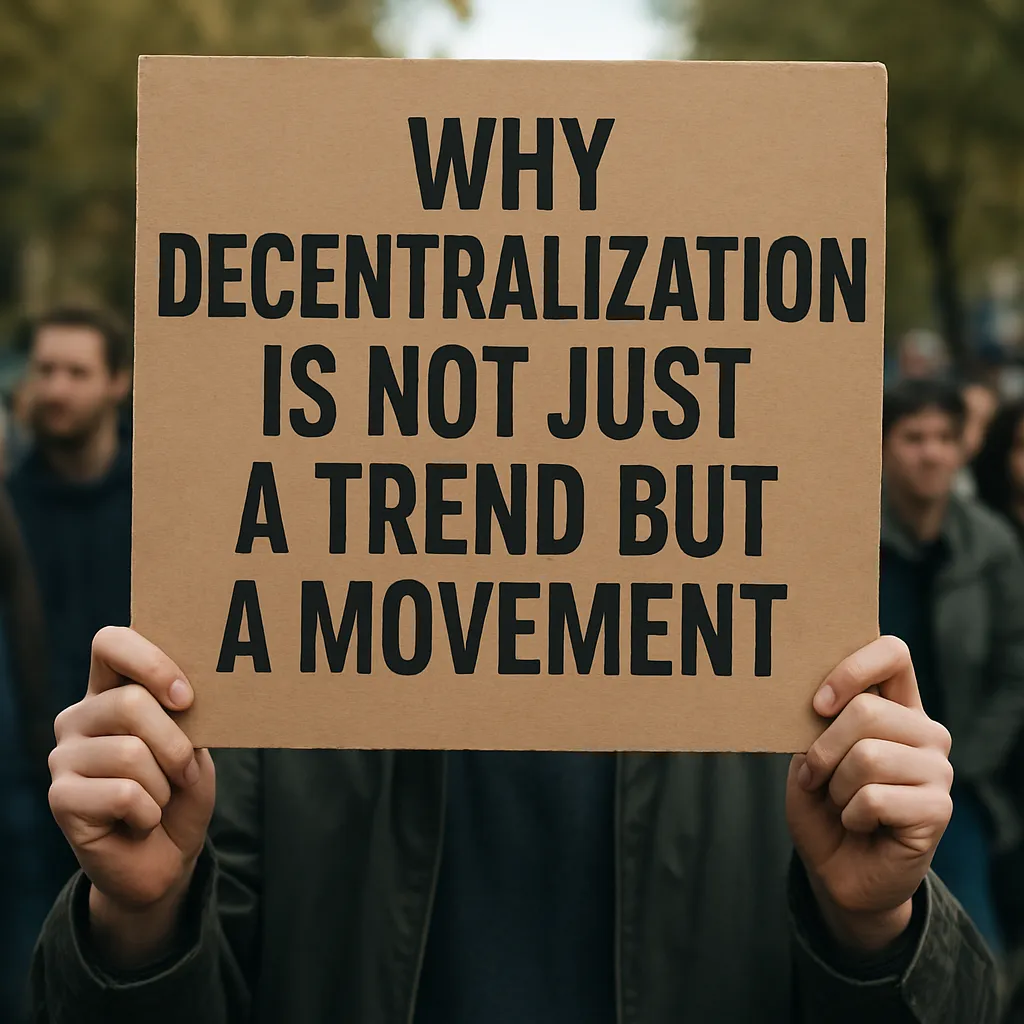
The rise of digital currencies has sparked a revolutionary wave in the world of finance, presenting both opportunities and challenges for individuals, businesses, and regulators. As enthusiasts and skeptics alike explore the potential of cryptocurrencies, it becomes essential to understand their underlying mechanisms, real-world applications, and the obstacles that lie ahead.
Evolution of Digital Currency
The concept of money has evolved significantly over millennia, from barter systems to precious metals, paper notes, and now purely digital assets. The introduction of Bitcoin in 2009 marked a watershed moment, demonstrating how a peer-to-peer network could enable trustless transactions without a central authority. This breakthrough hinged on several core principles:
- Decentralization: Removing intermediaries to allow direct transfers between parties.
- Transparency: Recording all transactions on a public ledger, visible to everyone.
- Cryptography: Securing data to prevent fraud and ensure authenticity.
Following Bitcoin’s success, thousands of alternatives, commonly known as altcoins, emerged. Some sought to improve transaction speed, others to enhance privacy, and still others to introduce programmable features through smart contracts. Ethereum, for example, pioneered a platform where developers could deploy decentralized applications (dApps) on a robust virtual machine, extending the use cases far beyond simple value transfer.
Blockchain Technology and Security
At the heart of every cryptocurrency lies the blockchain, a distributed database that records transactions in linked blocks. Each block contains a batch of transactions, a timestamp, and a cryptographic hash of the previous block, forming an immutable chain. This design ensures that any attempt to alter past records would require overwhelming computational power, making the network resilient against tampering.
Consensus Mechanisms
To agree on which transactions to include in the next block, networks employ various consensus algorithms:
- Proof of Work (PoW): Miners solve complex puzzles to validate blocks, consuming significant energy but offering strong security guarantees.
- Proof of Stake (PoS): Validators lock up tokens as collateral, reducing energy usage and aligning incentives to act honestly.
- Delegated Proof of Stake (DPoS): Stakeholders elect representatives to validate transactions, boosting throughput at the cost of some centralization.
Each approach balances security, scalability, and decentralization differently, leading to ongoing research and hybrid models that aim to deliver optimal performance.
Security Threats and Mitigations
While blockchains boast robust defenses, they are not impervious to risk. Common threats include:
- 51% Attacks: When a group controls the majority of mining power or stakes, enabling double-spending.
- Smart Contract Bugs: Flaws in code that can be exploited to drain funds or freeze assets.
- Phishing and Social Engineering: Targeting users’ private keys through deceptive schemes.
Mitigation strategies involve frequent audits, formal verification of critical code, multi-signature wallets, and user education to safeguard against social manipulation. Furthermore, cross-chain interoperability protocols are emerging, allowing assets to move securely between different networks, fostering broader collaboration and resilience.
Adoption, Governance, and Innovation
As cryptocurrencies gain mainstream attention, questions of regulation, governance, and societal impact have taken center stage. Governments are exploring frameworks to tax digital assets, prevent money laundering, and protect investors, while preserving the innovation that drives progress.
Regulatory Landscape
Regulators worldwide have adopted diverse stances:
- Proactive Jurisdictions: Countries like Switzerland and Singapore offer clear guidelines, attracting blockchain startups.
- Restrictive Regions: Others impose strict bans or limitations, citing risks of fraud and financial instability.
- Emerging Middle Ground: Nations experimenting with digital versions of their currencies (central bank digital currencies or CBDCs) to stay relevant in a digital age.
The dynamic between decentralized networks and centralized oversight presents a delicate balance. Effective regulations can inspire confidence, encouraging institutional participation, while overly burdensome rules risk stifling growth and pushing innovation offshore.
Decentralized Governance Models
Decentralized Autonomous Organizations (DAOs) represent an experiment in community-driven management. Token holders propose and vote on initiatives, ranging from development grants to protocol upgrades. This democratized approach strives for transparent decision-making, yet it also faces challenges related to voter apathy, concentration of influence, and legal recognition.
Future Directions
The next wave of developments aims to address limitations and unlock new possibilities:
- Layer 2 Solutions: Secondary networks built on top of base blockchains to process transactions off-chain, reducing fees and latency.
- Privacy Enhancements: Zero-knowledge proofs and secure multi-party computation to enable confidential transfers without sacrificing auditability.
- Tokenization of Real-World Assets: Bridging physical goods like real estate and art with digital tokens to increase interoperability and liquidity.
Moreover, integrating blockchain with emerging technologies such as the Internet of Things (IoT) could automate microtransactions for connected devices, fostering a machine economy where appliances pay each other for maintenance or data services.
Economic and Social Impact
Cryptocurrencies have reshaped economic paradigms, empowering individuals in underbanked regions to access financial services without traditional banking infrastructure. Remittances have become faster and cheaper, and peer-to-peer lending can bypass legacy hurdles. Yet volatility and speculative behavior remain significant obstacles to widespread acceptance as a stable medium of exchange.
- Adoption by merchants and consumers is gradually rising, driven by turnkey payment solutions and loyalty incentives.
- Financial inclusion efforts tap into the unbanked, granting ownership and control over personal wealth.
- Environmental concerns spur research into more energy-efficient consensus algorithms and renewable-powered mining.
The continued evolution of cryptocurrency hinges on balancing innovation with sustainability, ensuring equitable systems that serve global communities while maintaining robust safeguards against misuse. Collaborative efforts between developers, academics, regulators, and users will shape the trajectory of this transformative technology.