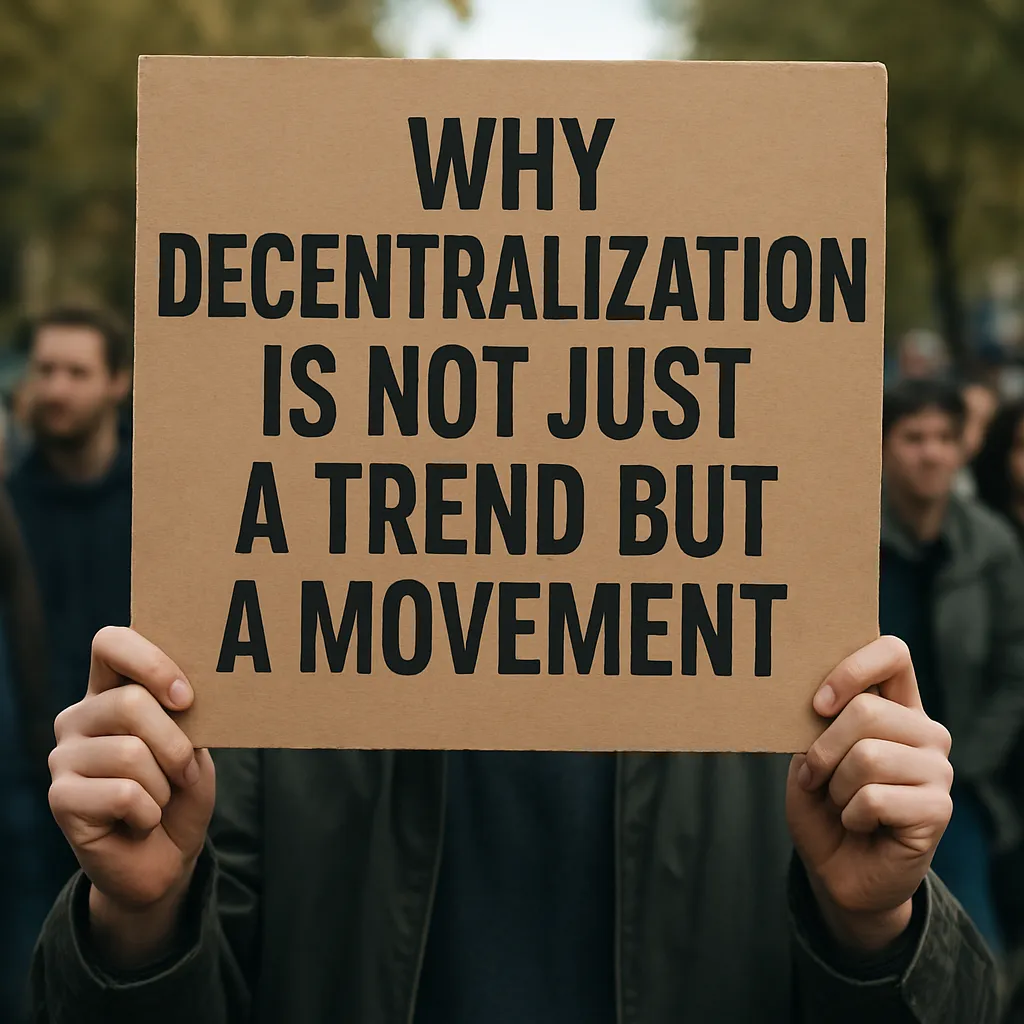
The rapid ascent of digital currencies has prompted a profound reevaluation of how we perceive, store, and exchange value. No longer confined to banks and government-issued notes, money now exists in lines of code, negotiated across borderless networks. This transformation is driven by revolutionary technologies that challenge old paradigms and open avenues for inclusion, innovation, and new forms of economic interaction.
Emergence of New Digital Assets
Cryptocurrency began as an experimental idea aiming to create a decentralized system of digital money. Early pioneers sought to eliminate intermediaries and empower individuals to control their own wealth. Over time, this vision crystallized into working networks where transactions are validated by consensus rather than by a central authority.
Blockchain Foundations
At the heart of most digital currencies lies the blockchain, a distributed ledger that records every transaction in immutable blocks. Each participant in the network holds a copy of this ledger, ensuring transparency and resilience. Key characteristics include:
- Immutable records resistant to tampering
- Transparent history visible to all network participants
- Consensus mechanisms like Proof of Work or Proof of Stake
Diversification of Tokens
While Bitcoin sparked the movement, thousands of alternative tokens have since emerged. Many aim to serve specific functions beyond peer-to-peer payments:
- Smart contract platforms enabling automated agreements
- Privacy coins emphasizing untraceable transactions
- Stablecoins pegged to fiat currencies for reduced volatility
The Impact on Traditional Financial Systems
As crypto networks matured, they started influencing conventional finance in unexpected ways. Institutions once wary of digital tokens now explore their potential to enhance efficiency and broaden access.
Banking and Payments
Cross-border remittances, historically slow and costly, can now be handled in minutes with minimal fees. Some banks integrate blockchain rails to:
- Settle international transfers within seconds
- Reduce operational overhead through automation
- Improve security with cryptographic assurances
Investment Opportunities
Cryptocurrency has evolved into a distinct asset class, attracting retail and institutional investors. Its high volatility carries risk, but also the promise of outsized returns. Key drivers include:
- Growing adoption by major corporations
- Integration of crypto derivatives and futures in regulated markets
- Emergence of decentralized finance protocols offering yield farming
Regulatory Responses
Governments and watchdogs confront the need to balance innovation with consumer protection. A patchwork of regulations now covers:
- Anti-money laundering and know-your-customer compliance
- Tax treatment of digital asset gains
- Licensing frameworks for exchanges and custodians
Societal and Technological Paradigm Shifts
Beyond finance, the crypto revolution fosters new models of governance, collaboration, and digital identity. These trends promise to reshape many facets of modern life.
Trustless Collaboration
Decentralized networks enable participants to interact without centralized overseers. This trustless architecture leverages code-based rules enforced automatically by the protocol:
- Decentralized Autonomous Organizations coordinate global communities
- Open-source development encourages rapid innovation
- Immutable voting records enhance transparency in collective decisions
Digital Identity and Privacy
Emerging solutions aim to give users control over their personal data. Instead of surrendering information to corporations, individuals can manage selectively disclosed credentials:
- Self-sovereign identity platforms reduce reliance on central authorities
- Zero-knowledge proofs allow verification without revealing raw data
- Privacy-focused chains protect user anonymity
Challenges and Risks
Despite its promise, the crypto space faces significant hurdles. Security breaches, volatile markets, and regulatory uncertainty remain key concerns.
- High-profile hacks expose weaknesses in smart contracts and exchanges
- Wild price swings can lead to rapid losses for uninformed investors
- Ambiguous regulation fuels market instability and confusion
Looking Ahead: Innovation on the Horizon
The cryptocurrency ecosystem continues to evolve at a breakneck pace. Researchers, developers, and entrepreneurs are pushing the boundaries of what digital assets can achieve.
Scalability and Interoperability
Networks are experimenting with layer-two solutions and cross-chain bridges to support mass adoption. Future improvements may include:
- Sharded blockchains for parallel transaction processing
- Atomic swaps enabling direct token exchanges across networks
- Standard protocols for seamless decentralized application integration
Environmental Considerations
Critics point out the energy intensity of certain consensus algorithms. In response, new approaches aim to minimize ecological impact:
- Proof-of-Stake systems reducing energy consumption
- Carbon offset programs and renewable energy-powered mining
- Research into novel consensus methods like Proof-of-Elapsed-Time
The Future of Money
As digital currencies gain legitimacy, they force us to reconsider the core nature of money itself. Will the next era be defined by borderless tokens, programmable cash, and innovation that blurs the line between finance and technology? Only time will tell, but one thing is certain: the journey has only just begun, and the world of money will never look the same again.