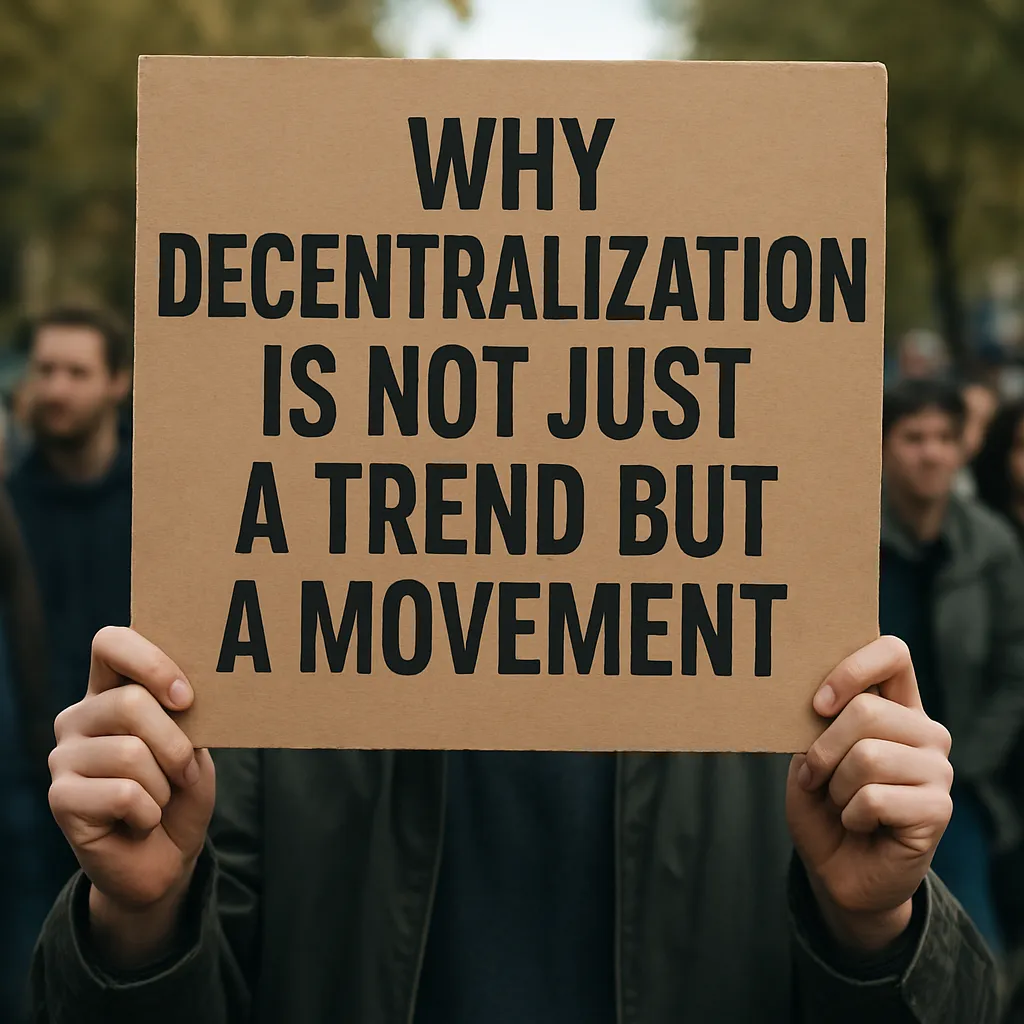
Cryptocurrency represents a transformative shift in how communities establish mutual agreements, value exchanges, and collaborative frameworks. By harnessing cutting-edge blockchain architectures, digital assets facilitate trustless interactions, redefine governance models, and enable an unprecedented level of transparency. This article explores the multifaceted role of crypto in shaping new social contracts, examines its core mechanisms, and considers emerging opportunities and challenges.
Origins and Core Principles of Digital Currencies
The inception of Bitcoin in 2009 introduced more than just a peer-to-peer payment system; it sparked a revolution in the concept of money itself. Built on a distributed ledger, cryptocurrency eradicates the need for centralized intermediaries by enabling decentralization and consensus-driven validation. Key tenets include:
- Trustless consensus: Participants can transact without relying on third parties, as cryptographic proofs and game-theoretic incentives secure the network.
- Immutable records: Once blocks are confirmed, history cannot be rewritten, fostering accountability and preventing fraudulent reversals.
- Open participation: Anyone with internet access can join, mine, or validate transactions, leading to a globally inclusive ecosystem.
These principles underpin a new form of social contract where every network participant adheres to transparent rules embedded in code, rather than in opaque institutional policies.
Decentralized Governance and Collective Decision-Making
Traditional organizational governance relies on hierarchical structures and centralized authorities. Crypto protocols, by contrast, incorporate governance models that distribute decision-making power across stakeholders.
On-Chain Governance
- Governance tokens: Holders can propose and vote on upgrades, protocol parameters, or fund allocations.
- Quadratic voting: Attempts to balance influence by weighting votes to reflect individual preferences fairly.
- Automated execution: Once a proposal passes, smart contracts implement changes automatically, ensuring execution without human intervention.
Off-Chain Coordination
While some projects emphasize on-chain mechanisms, others rely on community forums, innovation hubs, and developer coalitions to chart strategic directions. This hybrid approach allows for informal deliberation before formalizing changes on the ledger.
These frameworks cultivate a sense of shared ownership, as participants shape protocol evolution, incentivize network security, and enforce accountability through transparent voting records.
Smart Contracts and Tokenization: Reimagining Economic Relationships
Smart contracts are self-executing agreements encoded on a blockchain, capable of transferring value when predefined conditions are met. They unlock novel financial instruments and collaborative structures:
- Decentralized Finance (DeFi): Lending, borrowing, and asset management occur without banks, powered by algorithmic interest rates and collateralization.
- Non-fungible tokens (NFTs): Unique digital assets represent art, real estate, or identity, enabling fractional ownership and provenance tracking.
- Automated royalties: Creators receive revenue streams whenever their digital work changes hands, encoded directly into token logic.
Through tokenization, value becomes programmable. Real-world assets—real estate, commodities, intellectual property—can be represented on-chain, unlocking liquidity and democratizing access. These innovations reshape social contracts by embedding trust and enforcement into code, minimizing reliance on external enforcement bodies.
Financial Inclusion and Community Empowerment
By lowering barriers to entry, cryptocurrency fosters economic participation for underbanked populations. Anyone with a smartphone and internet access can engage in global commerce, remittances, and peer-to-peer lending. Key impacts include:
- Cross-border remittances: Reduced fees and faster settlement times empower migrant workers to send funds home efficiently.
- Microfinance protocols: Smart contracts govern small loans and repayment schedules, backed by transparent collateral mechanisms.
- Community currencies: Local ecosystems create tokens to support small businesses, tailor incentives, and reinforce mutual support networks.
These initiatives cultivate resilient communities, where trust is derived from open-source code and collective stewardship rather than centralized banks or governmental authorities.
Challenges, Risks, and Regulatory Considerations
Despite its revolutionary potential, the crypto space faces significant hurdles. Volatility remains a major obstacle, impacting adoption for everyday transactions. Security vulnerabilities, such as smart contract exploits, have led to substantial losses. Furthermore, regulatory uncertainty poses challenges for both innovators and users.
Security and Audits
- Formal verification: Mathematical proofs ensure contract logic behaves as intended.
- Bug bounties: Incentivizing white-hat hackers to identify vulnerabilities before malicious actors can exploit them.
Compliance and Policy
Governments worldwide are grappling with appropriate frameworks to tax, regulate, and supervise digital assets. Striking a balance between consumer protection and fostering innovation is critical to sustain growth without stifling decentralized models.
Future Directions and Emerging Social Contracts
As blockchain protocols mature, we anticipate deeper integration between digital and physical realms. Decentralized Autonomous Organizations (DAOs) will assume roles traditionally reserved for corporations or NGOs, coordinating efforts in fields as diverse as scientific research, humanitarian aid, and art curation.
- Interoperability: Cross-chain bridges will facilitate asset transfers and data sharing across disparate networks, knitting together a unified digital commonwealth.
- Layer-2 scaling: Solutions like rollups will enhance throughput, driving mainstream adoption for microtransactions and Internet of Things (IoT) applications.
- Privacy-preserving technologies: Zero-knowledge proofs and confidential transactions will balance transparency with individual sovereignty over personal data.
In essence, cryptocurrencies are not merely speculative vehicles; they are catalysts for reimagining how societies forge agreements, manage resources, and cultivate trust. Through tokenization, governance innovations, and borderless financial mechanisms, a new social contract emerges—one codified in open protocols, sustained by collective consensus, and governed by transparent logic.