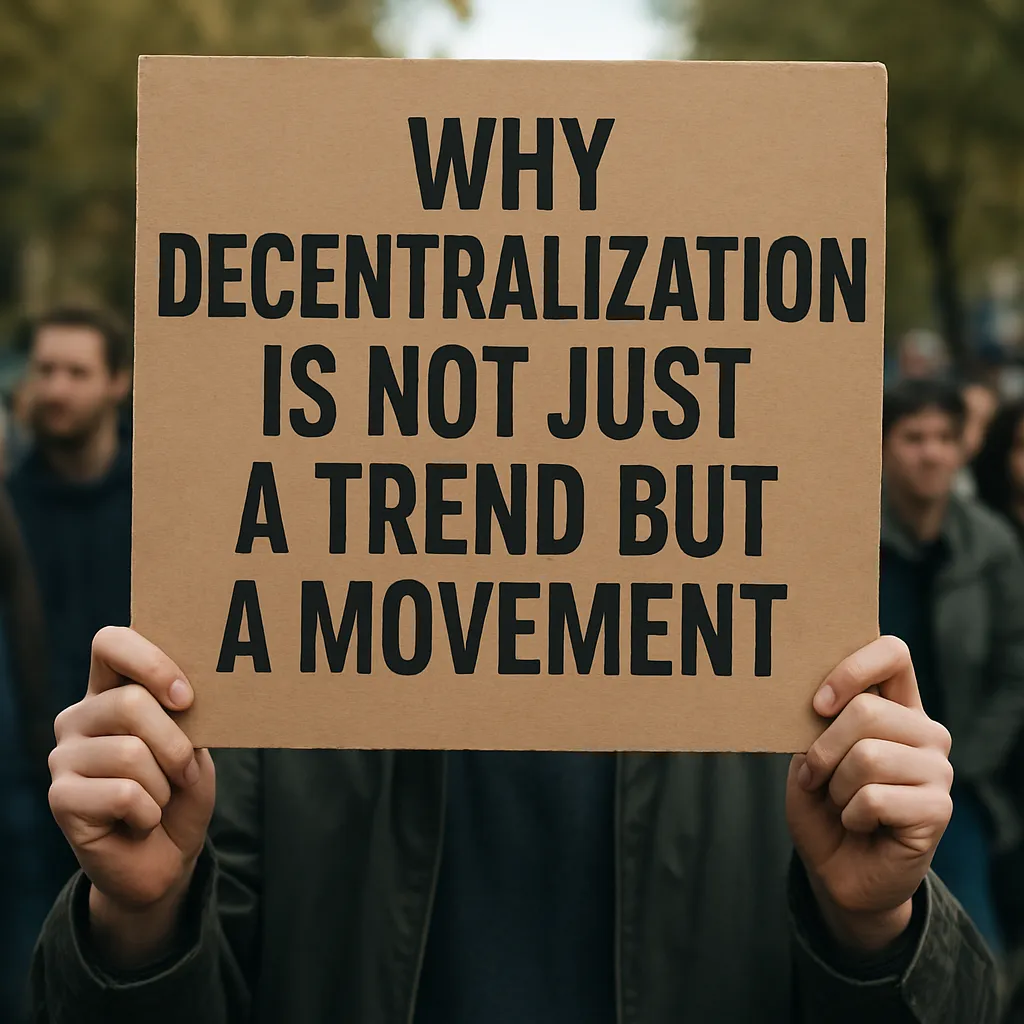
The rapid evolution of cryptocurrency is reshaping long-held notions of value, ownership, and community. By leveraging blockchain networks, innovators are exploring how tokens and smart contracts can underpin more fluid, borderless systems of decentralization. This article examines the intersection of financial innovation and civic structures, focusing on how programmable money and self-sovereign credentials could transform concepts of identity and citizenship.
Decentralized Identities: A New Paradigm
Self-Sovereign Identity
Traditional identification systems rely on centralized authorities, leaving individuals vulnerable to data breaches and surveillance. Crypto-based identity solutions champion the idea of sovereignty, where each person controls their credentials. Through cryptographic proofs stored on distributed ledgers, users can selectively disclose information, ensuring both privacy and verifiability. Applications include:
- Verifying age or residency without sharing full personal records.
- Eliminating the need for physical documents at border crossings.
- Secure login methods that remove passwords and reduce phishing risks.
By decoupling identity from centralized databases, self-sovereign approaches foster trust in digital interactions and pave the way for interoperable systems across sectors.
Crypto and the Concept of Citizenship
Citizenship has historically been tied to geography and governmental fiat. Crypto initiatives propose a more fluid model. Token-driven communities, or “crypto city-states,” issue native tokens to supporters, granting economic and governance rights. Holders can vote on local policies, fund public goods, and receive services proportional to their digital stake. Such models emphasize governance by protocol rules rather than top-down mandates.
Key elements include:
- Tokenized Voting: Stake-weighted ballots that reduce fraud and improve transparency.
- Universal Basic Income: Automated micro-salary distributions funded by network fees.
- Digital Passports: Borderless credentials recognized by partner communities.
These experiments question whether future notions of citizenship might hinge less on birthright and more on active participation in global, digital ecosystems.
Challenges and Opportunities
While the vision of crypto-enabled civic structures is compelling, significant hurdles remain. Scalability constraints, regulatory uncertainty, and the threat of centralization within supposedly decentralized networks pose risks. For instance, a small group of token holders might exert outsized influence, undermining the ideal of distributed trust.
Important challenges:
- Regulatory Compliance: Aligning privacy-preserving identity with Know Your Customer (KYC) mandates.
- Technical Interoperability: Ensuring diverse blockchains and identity standards can communicate effectively.
- User Experience: Simplifying wallet management and key recovery for mainstream adoption.
Nevertheless, opportunities abound. Collaborations between public institutions and private consortia can yield hybrid models where on-chain transparency coexists with regulatory oversight. Innovations in zero-knowledge proofs and secure enclave technologies promise to enhance cryptographic safeguards while maintaining user control.
The Road Ahead: Innovations and Integration
Looking forward, integration of cryptocurrency mechanisms into everyday life could redefine societal contracts. Imagine a world where cross-border aid is delivered instantly via programmable stablecoins, or where environmental credits are tracked on-chain, fostering collective accountability for sustainability. Emerging standards for interoperability will enable seamless credential exchanges among governments, corporations, and grassroots networks.
Future developments to watch:
- Decentralized Autonomous Organizations (DAOs) governing shared infrastructure like water networks or energy grids.
- On-chain reputation systems that reward constructive behavior and discourage malicious actors.
- Programmable welfare systems distributing digital aid conditional on health or education milestones.
By aligning technological progress with inclusive governance models, the crypto revolution could unleash a new era of civic innovation. The fusion of transparency and programmability holds the potential to rebuild social contracts on foundations of shared trust, resilience, and adaptive collaboration.