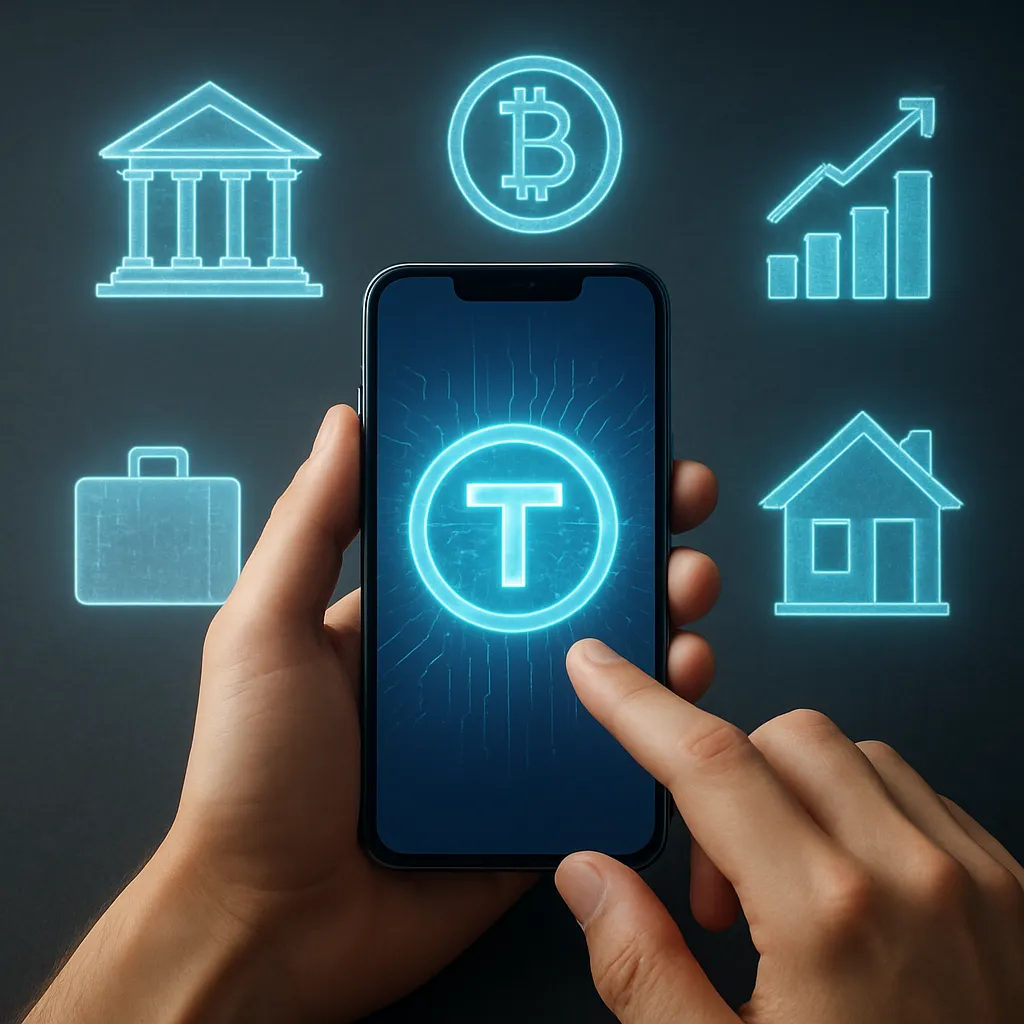
The rapid evolution of digital finance has introduced groundbreaking changes, placing cryptocurrencies at the forefront of a global revolution. These digital tokens, underpinned by sophisticated technology, promise to transform industries, reshape economic models, and redefine how value is exchanged. Exploring the ecosystem of cryptocurrencies reveals not only current capabilities but also the potential to revolutionize financial systems, governance frameworks, and societal structures.
The Foundation of Cryptocurrency: Blockchain and Decentralization
The cornerstone of any cryptocurrency is the blockchain, a distributed ledger that enables secure, transparent, and immutable recording of transactions. Unlike traditional databases held by a single authority, blockchain technology operates across a network of nodes, each holding a copy of the entire ledger. This architecture ensures resilience against tampering and single points of failure.
Mechanics of a Decentralized Network
- Peer-to-Peer Validation: Transactions are verified by network participants in a peer-to-peer manner, eliminating intermediaries.
- Consensus Mechanisms: Proof of Work (PoW), Proof of Stake (PoS), and emerging hybrid systems enable the network to agree on valid transactions.
- Immutable Records: Once a block is added, it cannot be altered without network consensus, enhancing security and trust.
At the heart of these networks lies the concept of decentralization, which redistributes power away from centralized institutions. By enabling direct interactions between users, cryptocurrencies foster financial inclusion, reduce transaction costs, and provide a hedge against inflation in regions with unstable fiat currencies.
Core Principles
- Transparency: All participants can view transactions, ensuring accountability.
- Permissionless Access: Anyone with an internet connection can join the network and contribute to transaction validation.
- Censorship Resistance: No single entity can prevent transactions from being processed.
Emerging Trends: DeFi, NFTs, and Beyond
While Bitcoin introduced the world to the concept of a digital currency, the ecosystem has since exploded with innovation. Decentralized Finance (DeFi) and Non-Fungible Tokens (NFTs) represent two of the most influential offshoots, each redefining how we think about money, assets, and ownership.
Decentralized Finance (DeFi)
DeFi leverages smart contracts—self-executing code deployed on blockchain platforms—to automate financial services without traditional intermediaries. Key components include:
- Decentralized Exchanges (DEXs): Platforms where users trade tokens directly with one another.
- Lending Protocols: Smart contracts that match lenders with borrowers, offering competitive interest rates.
- Stablecoins: Cryptocurrencies pegged to fiat currencies, providing stability amidst volatile markets.
The rapid growth of DeFi has sparked a wave of innovation, enabling programmable money that interacts seamlessly with various financial instruments. Users can earn yields, borrow assets, and provide liquidity, all while retaining custody of their funds.
Non-Fungible Tokens (NFTs)
NFTs represent unique digital assets that confer proof of ownership via blockchain. From digital art galleries to virtual real estate, NFTs have opened up new avenues for creators and collectors:
- Digital Art Marketplaces: Platforms where artists mint and sell one-of-a-kind works.
- Collectibles and Gaming: Users purchase, trade, and use NFTs as in-game assets or trading cards.
- Intellectual Property Rights: NFTs can encode licensing agreements, royalty structures, and provenance data.
Tokenization of Assets
Beyond art and collectibles, tokenization extends to real-world assets such as real estate, commodities, and equities. By converting tangible assets into digital tokens, investors gain fractional ownership and enhanced liquidity.
The Challenges and Future Prospects
Despite its transformative potential, the cryptocurrency domain faces hurdles that must be addressed for widespread adoption. Regulatory uncertainty, environmental concerns, and technical limitations pose significant challenges.
Regulatory Landscape
- Compliance: Governments worldwide are crafting frameworks to tax, regulate, or ban certain crypto activities.
- Anti-Money Laundering (AML) and Know Your Customer (KYC): Exchanges must implement robust identity verification to curb illicit finance.
- Market Surveillance: Regulators seek tools to monitor trading behaviors and detect market manipulation.
Achieving regulatory clarity will enhance investor confidence and pave the way for institutional participation. However, overly stringent rules could stifle innovation and push activities into unregulated jurisdictions.
Scalability and Interoperability
As networks grow, maintaining high throughput and low latency becomes critical. Layer-2 solutions, sharding, and consensus upgrades aim to increase transaction capacity without compromising decentralization.
- Layer-2 Protocols: Off-chain channels that bundle transactions before settling on the mainnet.
- Cross-Chain Bridges: Tools enabling asset transfers between distinct blockchain ecosystems, fostering interoperability.
- Consensus Innovations: PoS, Directed Acyclic Graphs (DAGs), and other novel approaches to reduce energy consumption and improve speed.
Environmental Impact
Energy-intensive consensus mechanisms have drawn criticism for their carbon footprint. Transitioning to more efficient models, such as PoS, or leveraging renewable energy sources can mitigate environmental concerns and enhance the network’s reputation.
Governance and Security
Decentralized Autonomous Organizations (DAOs) offer community-driven governance models, enabling token holders to vote on protocol changes and resource allocation. However, community coordination and safeguarding against attacks—such as 51% attacks or smart contract vulnerabilities—remain paramount.
- Formal Verification: Mathematical proof techniques to validate smart contract logic.
- Bug Bounties and Audits: Incentivized programs to identify and fix vulnerabilities before they are exploited.
- Multi-Signature Wallets: Enhanced custody solutions requiring multiple approvals for high-value transactions.
As the ecosystem matures, an emphasis on robust governance and enhanced security practices will be vital to sustain long-term growth and trust.
Future Directions
Looking ahead, the integration of cryptocurrencies with the Internet of Things (IoT), advanced identity solutions, and real-time settlement frameworks may revolutionize supply chains, healthcare, and global trade. Achieving true financial sovereignty will involve overcoming technical hurdles, aligning with regulatory regimes, and fostering a culture of continuous innovation.