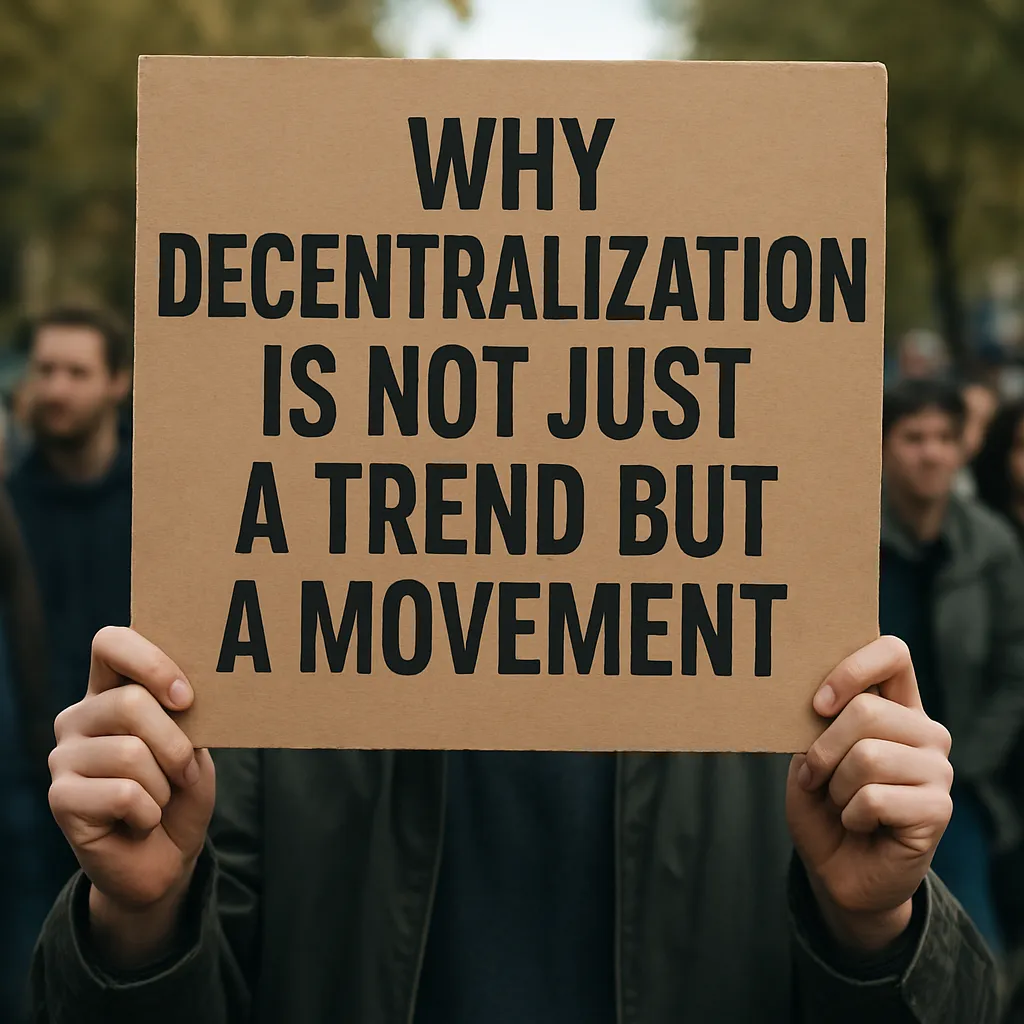
The advent of cryptocurrency has sparked a revolution in how value is exchanged, stored and verified. Beyond serving as an alternative to traditional fiat money, these digital assets leverage a decentralized ledger known as blockchain to enable unprecedented levels of transparency and trust among participants. As governments, financial institutions and private enterprises explore the potential of this emerging technology, it becomes clear that the principles underpinning cryptocurrency could also be applied to combat corruption, streamline processes and foster a more open global economy.
Transparency through Decentralization
At its core, a blockchain is a continuously growing list of records, called blocks, which are linked and secured using cryptographic methods. Each transaction is time-stamped, validated by a network of nodes and then added to a public ledger that is visible to anyone with network access. This architecture delivers several benefits:
- Immutable record-keeping: Once data is recorded on the chain, it cannot be altered or deleted, ensuring immutability of transaction history.
- Open auditing: Stakeholders can verify the flow of funds or assets without relying on a central authority, paving the way for real-time, verifiable audits.
- Elimination of single points of failure: With no central database, networks become more resilient against hacking, censorship and data manipulation.
By distributing authority among all participants, blockchain systems minimize the opportunity for hidden deals or falsified ledgers. Whether applied to public procurement, voting systems or supply-chain management, this level of oversight fosters greater accountability among institutions and individuals alike.
Safeguarding Against Fraud and Corruption
Traditional financial systems often depend on intermediaries—banks, clearinghouses, legal advisers—to verify identities and transactions. While these parties provide valuable services, they also introduce complexity, cost and the potential for illicit activities such as money laundering or bribery. Cryptocurrencies remove many of these intermediaries through the use of smart contracts, self-executing code that triggers actions when predefined conditions are met. Key advantages include:
- Automated enforcement: Agreements coded into smart contracts execute without the need for manual oversight, reducing human error and manipulation.
- Transparent rules: Contract terms are visible on-chain, making any attempt to bypass or alter conditions easily detectable by all network members.
- Fractional and global access: Participants anywhere can engage in transactions without jurisdictional bottlenecks or complex compliance procedures.
Deploying these programmable agreements in areas prone to corruption—such as welfare distribution or infrastructure spending—could ensure resources reach their intended recipients. Public funds could be released in stages tied to verifiable milestones, while all disbursements remain on a public ledger for continuous review.
Cryptocurrency in the Global Economy
As cryptocurrencies mature, they are increasingly woven into mainstream finance and commerce. Major institutions offer trading desks and custody services for digital assets, while retailers accept them as payment methods. The broader implications include:
- Financial inclusion: People without access to traditional banking can participate in the digital economy by using mobile wallets and peer-to-peer networks.
- Reduced transaction costs: Cross-border remittances become faster and cheaper, bypassing expensive correspondent banking fees.
- Programmable money: Developers can create novel financial instruments—like tokenized securities or yield-bearing stablecoins—that blend traditional functions with on-chain innovation.
However, wide adoption demands robust governance frameworks. Regulators must balance consumer protection and anti-money laundering (AML) efforts with support for innovation. Establishing clear guidelines for custody, reporting and taxation will encourage institutional investors to engage with cryptocurrencies while deterring illicit use.
Interoperability and Scaling Solutions
With dozens of blockchain platforms in operation, achieving seamless communication between networks is crucial. Interoperability protocols allow assets and data to move fluidly across chains, unlocking new use cases and liquidity pools. Prominent approaches include:
- Wrapped tokens: Representing one chain’s asset on another, enabling decentralized exchanges to trade without native cross-chain compatibility.
- Cross-chain bridges: Specialized smart contracts that lock assets on one network and mint equivalents on another, preserving value consistency.
- Layer 2 scaling: Solutions like rollups and payment channels process transactions off the main chain, dramatically increasing throughput and reducing fees.
By addressing performance and compatibility, developers can deliver scalable systems poised to handle mass-market demand. These enhancements not only improve the user experience but also strengthen network security by mitigating congestion and lowering the attack surface.
Regulatory Landscape and Future Outlook
Policy makers around the world are wrestling with how to regulate cryptocurrencies without stifling progress. Key areas of focus include:
- Licensing requirements for exchanges and custodial services to ensure proper safeguards against fraud.
- AML and Know Your Customer (KYC) measures that track large transfers while preserving user privacy for smaller transactions.
- Taxation rules clarifying capital gains, income classification and reporting obligations for both individuals and businesses.
As the industry evolves, collaboration between public and private stakeholders will be essential. Sharing best practices and developing interoperable compliance tools can accelerate adoption, reduce risks and uphold the core promise of cryptocurrency: a more open, efficient and trustless financial ecosystem. With these foundational elements in place, the transformative potential of blockchain to end corruption and enhance transparency can finally be realized on a global scale.