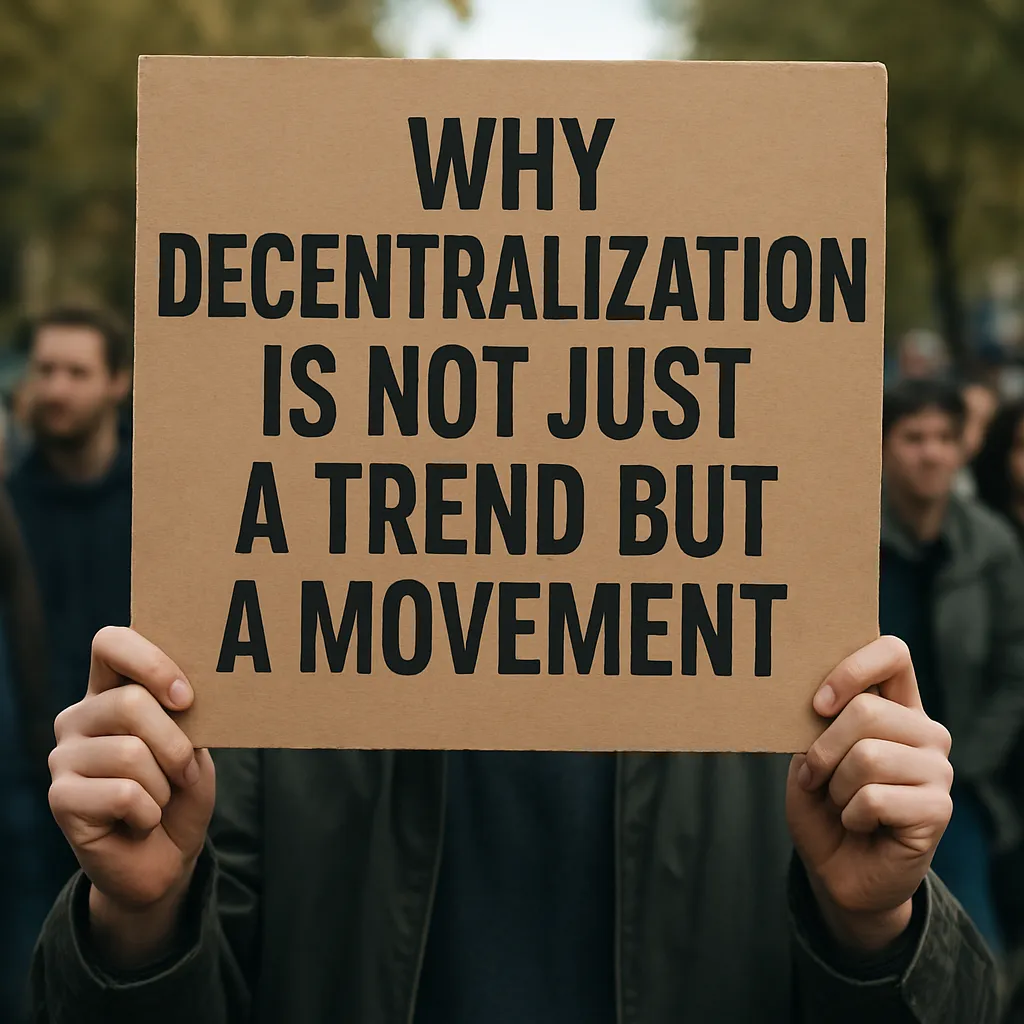
Blockchain technology has revolutionized how we perceive digital transactions, extending far beyond its initial role as the backbone of cryptocurrency. By leveraging decentralized ledgers, stakeholders can access unprecedented levels of transparency and traceability, ensuring that every asset’s journey is recorded immutably. This article explores key aspects of blockchain’s impact on financial systems and global supply chains, demonstrating how innovative solutions drive efficiency, fairness, and ethical practices in trade.
Foundations of Decentralized Finance
The advent of Bitcoin in 2009 introduced a peer-to-peer monetary system, replacing traditional intermediaries with a network of distributed nodes. This shift embodies the core principle of decentralization, which removes centralized control and empowers individuals worldwide to transact directly. Over time, platforms such as Ethereum expanded blockchain’s potential by integrating smart contracts—self-executing code that automates agreements once predefined conditions are met.
Key benefits of decentralized finance (DeFi) include:
- Enhanced security through cryptographic algorithms that guard user assets.
- Global accessibility, allowing anyone with an internet connection to participate.
- Reduced fees, as intermediaries like banks are no longer required.
- Increased financial inclusion by providing services to the unbanked and underbanked.
The emergence of tokens further diversified the ecosystem. Utility tokens grant access to specific platform features, while security tokens represent ownership stakes in tangible assets such as real estate or commodities. Governance tokens, on the other hand, enable holders to vote on protocol changes, reinforcing a democratic approach to system upgrades.
Blockchain Applications in Supply Chain Management
Modern supply chains are intricate networks involving manufacturers, distributors, retailers, and consumers. Ensuring product authenticity and ethical sourcing becomes challenging when information is siloed. Blockchain offers an immutable and shared ledger where each participant records critical data points—shipment dates, quality checks, or certifications. By providing a single source of truth, blockchain improves coordination and reduces the risk of fraud.
Key Features Enabling Ethical Tracking
- Immutability: Once recorded, data cannot be altered, fostering trust among stakeholders.
- Traceability: Each item’s journey is logged from origin to endpoint, making recalls and audits straightforward.
- Interoperability: Standards like EDI can integrate with blockchain networks, ensuring seamless data exchange.
For example, a coffee cooperative in Central America can timestamp harvest details on-chain, providing roasters and end customers with verifiable proof of origin. Similarly, a diamond’s path from mine to market can be documented to guarantee conflict-free sourcing. These applications not only enhance accountability but also strengthen brand reputation and consumer confidence.
Enabling Fair Trade Through Transparency
Fair trade aims to provide producers in developing regions with equitable compensation, safe working conditions, and sustainable practices. Traditional audits often rely on periodic inspections prone to human error or bribery. Blockchain introduces continuous, real-time visibility, transforming the certification process into an ongoing, automated workflow.
Components of a blockchain-based fair trade framework include:
- Digital IDs for producers and suppliers, ensuring unique and verifiable profiles.
- Smart contract–driven payment mechanisms that release funds once predefined criteria—such as quality or weight—are validated.
- Tokenized incentives rewarding sustainable farming methods or social responsibility initiatives.
By employing such a system, retailers can demonstrate ethical commitments directly at the point of sale. Consumers scanning a product’s QR code will view a comprehensive history: cultivation practices, worker compensation records, environmental impact assessments, and more. This depth of insight bolsters the marketplace for responsibly sourced goods.
Challenges and Future Outlook
Despite its transformative potential, blockchain adoption faces several hurdles. Scalability remains a pressing concern, as many networks struggle to process high transaction volumes without latency. Ongoing research into proof-of-stake consensus and sharding aims to resolve these bottlenecks. Regulatory ambiguity also poses a barrier: legislators worldwide are still defining guidelines for cryptocurrency usage, data privacy, and cross-border transactions.
Moreover, integrating legacy systems and gaining stakeholder buy-in require substantial educational efforts. Companies must invest in training initiatives to cultivate a workforce proficient in distributed ledger technologies. Partnerships between private enterprises, non-governmental organizations, and academic institutions will be crucial to accelerating blockchain literacy.
Looking ahead, promising trends include:
- Cross-chain solutions that foster interoperability between disparate networks.
- Decentralized identity protocols securing personal data while streamlining Know Your Customer (KYC) processes.
- Green mining practices and carbon credit tokenization promoting environmental sustainability.
As blockchain matures, its capacity to guarantee ethical supply chains and foster equitable trade will only strengthen. Embracing this technology paves the way for a more transparent, inclusive, and responsible global economy.