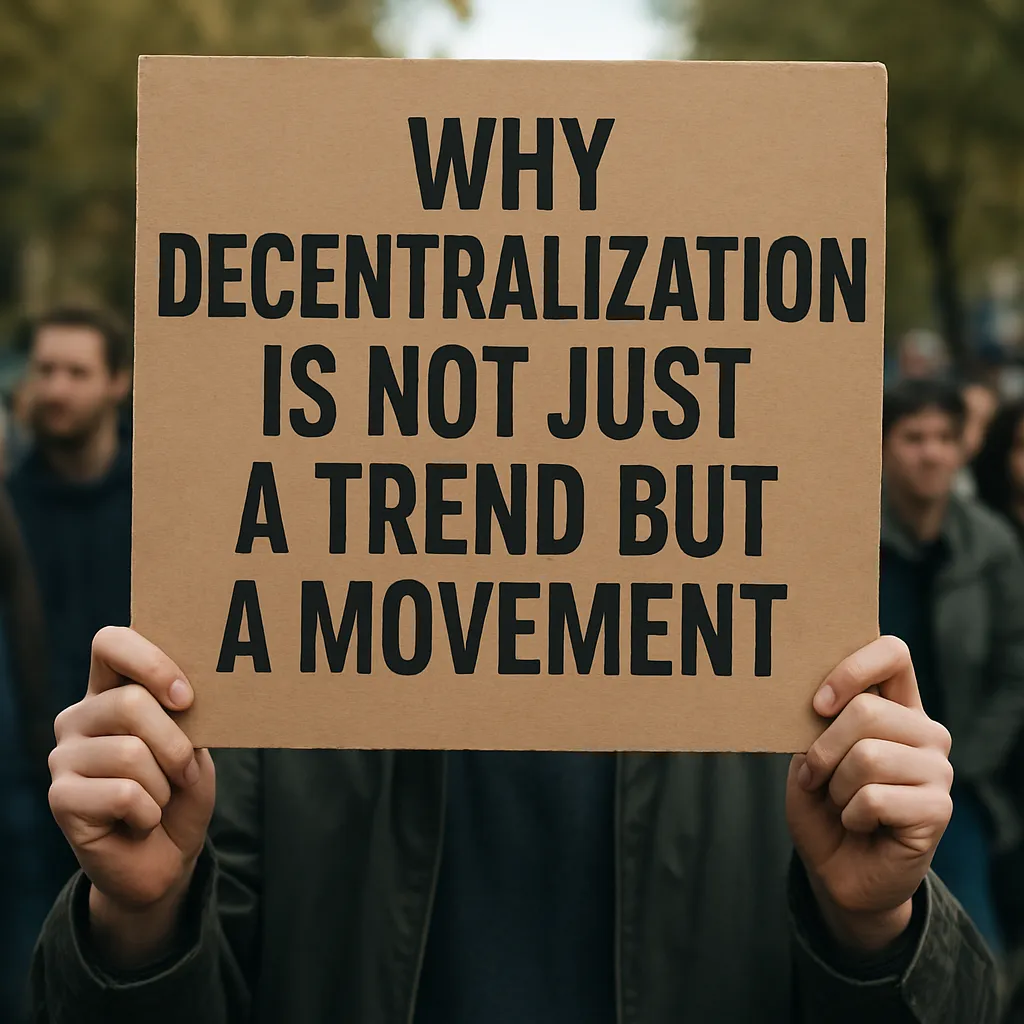
The evolution of digital currencies has stirred debates about the very nature of money, power, and economic freedom. Among these innovations, Bitcoin stands out not only as a remarkable technological breakthrough but also as a potential symbol of dissent against centralized institutions. This article dives into the transformative world of cryptocurrency, exploring its origins, societal implications, and the broader questions it raises about trust, control, and individual empowerment.
Historical Roots and Technological Foundations
The story of cryptocurrency begins with the emergence of blockchain technology, a decentralized ledger system first proposed by Satoshi Nakamoto in 2008. This innovation combined cryptographic techniques with peer-to-peer networking to create a trustless environment, where transactions could be verified without intermediaries. By removing the need for banks or clearinghouses, blockchain introduced a new model of decentralization that challenged conventional notions of financial infrastructure.
Key milestones in early cryptocurrency development include:
- 2009: Launch of Bitcoin, the inaugural cryptocurrency, with a capped supply of 21 million coins.
- 2011–2013: Emergence of alternative coins (altcoins) such as Litecoin and Namecoin, experimenting with features like faster confirmation times and improved anonymity.
- 2015: Introduction of Ethereum, expanding blockchain’s capabilities by enabling innovation in smart contracts and decentralized applications.
These breakthroughs laid the groundwork for a flourishing ecosystem where digital assets could be created, traded, and utilized beyond the confines of traditional finance.
Bitcoin as a Protest Against Centralized Finance
For many enthusiasts, Bitcoin transcends pure utility; it embodies a form of protest against entrenched power structures. In an era defined by quantitative easing, bailouts, and inflationary policies, Bitcoin’s fixed supply and open-access protocol stand as a critique of arbitrary monetary manipulation. By offering individuals the ability to hold wealth without reliance on banks or governments, it champions the ideal of financial sovereignty.
Philosophical Motivations
Several principles underpin the notion of Bitcoin as a protest tool:
- Sovereignty: Users maintain exclusive control over their funds through private keys, reducing the risk of seizure or censorship.
- Censorship resistance: Transactions on the Bitcoin network cannot be easily frozen or reversed, protecting participants in politically charged or authoritarian contexts.
- Permissionless access: Anyone with an internet connection can join the network, fostering financial democratization in underserved regions.
These attributes resonate strongly with individuals who distrust legacy institutions, seeing cryptocurrency as a peaceful form of rebellion.
Real-World Applications
Across the globe, Bitcoin has been adopted in diverse contexts to challenge financial orthodoxy:
- Venezuelans using crypto to hedge against hyperinflation.
- Activists employing decentralized donation networks to avoid governmental restrictions.
- Tech entrepreneurs leveraging blockchain to build transparent funding mechanisms for social causes.
Broader Impacts and Future Challenges
Despite its promise, the journey of cryptocurrency is marked by volatility and a complex regulatory landscape. The very features that empower users also raise concerns among authorities about money laundering, tax evasion, and illicit trade. Striking a balance between innovation and oversight remains an ongoing challenge.
Market Volatility and Speculation
Bitcoin’s price history is characterized by dramatic surges and steep corrections. While this volatility can attract traders seeking quick gains, it also poses risks for retail users hoping for stable value storage. Efforts to introduce stablecoins—digital assets pegged to fiat currencies—aim to address this issue, though they reintroduce elements of central control.
Regulatory and Legal Considerations
Governments worldwide have responded with a patchwork of regulations, ranging from outright bans to progressive frameworks encouraging blockchain research. Key regulatory themes include:
- Licensing requirements for exchanges and custodians to enhance consumer protection.
- Anti-money laundering (AML) and know-your-customer (KYC) standards to combat illicit activity.
- Tax guidelines for reporting capital gains and income from crypto holdings.
While some jurisdictions embrace crypto innovation, others view it as a threat to monetary stability, prompting intense policy debates.
Technological Evolution
Ongoing developments seek to improve scalability, energy efficiency, and user experience. Innovations such as the Lightning Network aim to facilitate faster, lower-cost transactions on top of Bitcoin’s main chain. Simultaneously, research into proof-of-stake and alternative consensus models endeavors to reduce the environmental footprint of many blockchains.
As the ecosystem matures, interoperability between networks will become crucial, enabling seamless value transfer across disparate platforms. This vision of a connected, open financial system underscores the transformative potential of cryptocurrency beyond mere protest symbolism.
Social and Ethical Dimensions
Beyond technology and markets, cryptocurrency raises profound questions about trust, community, and the future of money. At its core, the movement challenges us to reconsider who controls our financial lives and how value is defined.
Inclusivity vs. Exclusion
While crypto promises global accessibility, digital literacy and internet access remain barriers for many. Bridging this gap requires concerted efforts from developers, educators, and policymakers to ensure equitable participation.
Environmental Responsibility
The high energy consumption of proof-of-work networks has sparked criticism. Stakeholders are exploring greener mining solutions, carbon offset programs, and alternative consensus algorithms to align the sector’s growth with broader sustainability goals.
Community Governance
Decentralized autonomous organizations (DAOs) represent an experimental approach to collective decision-making, empowering token holders to vote on protocol changes and fund initiatives. This model of participatory governance embodies the democratic aspirations that drive many crypto advocates.
Is Bitcoin truly the future of dissent or merely an asset class seeking legitimacy? These questions continue to fuel vibrant discussions across academic, financial, and activist circles. As the world grapples with shifting power dynamics and accelerating technological change, cryptocurrency remains at the forefront of debates about liberty, equity, and the nature of value itself.