The rise of cryptocurrency has sparked a transformation in how individuals perceive and exercise ownership. Far beyond a simple method of payment, digital assets redefine property, governance, and value transfer. As blockchain networks evolve, communities experiment with novel frameworks that challenge conventional systems and empower users around the globe. This article explores the core innovations and the emerging paradigms that reshape the future of asset control.
The Evolution of Digital Assets
From Bitcoin to DeFi
Initially introduced as a peer-to-peer payment system, Bitcoin laid the groundwork for true digital scarcity through its blockchain ledger. Its transparent and immutable record demonstrated that value could exist without a central authority. Over time, platforms like Ethereum expanded functionality with smart contracts, facilitating programmable agreements and paving the way for Decentralized Finance (DeFi).
- Peer-to-Peer transactions that bypass banks and intermediaries.
- Automated protocols offering lending, borrowing, and yield farming.
- Permissionless access enabling anyone with a wallet to join.
These developments underscore a shift from simple currency to a dynamic ecosystem of tokens representing diverse forms of value. Users can now interact with financial instruments traditionally confined to institutions.
Decentralization and Trust
Trustless Systems and Governance
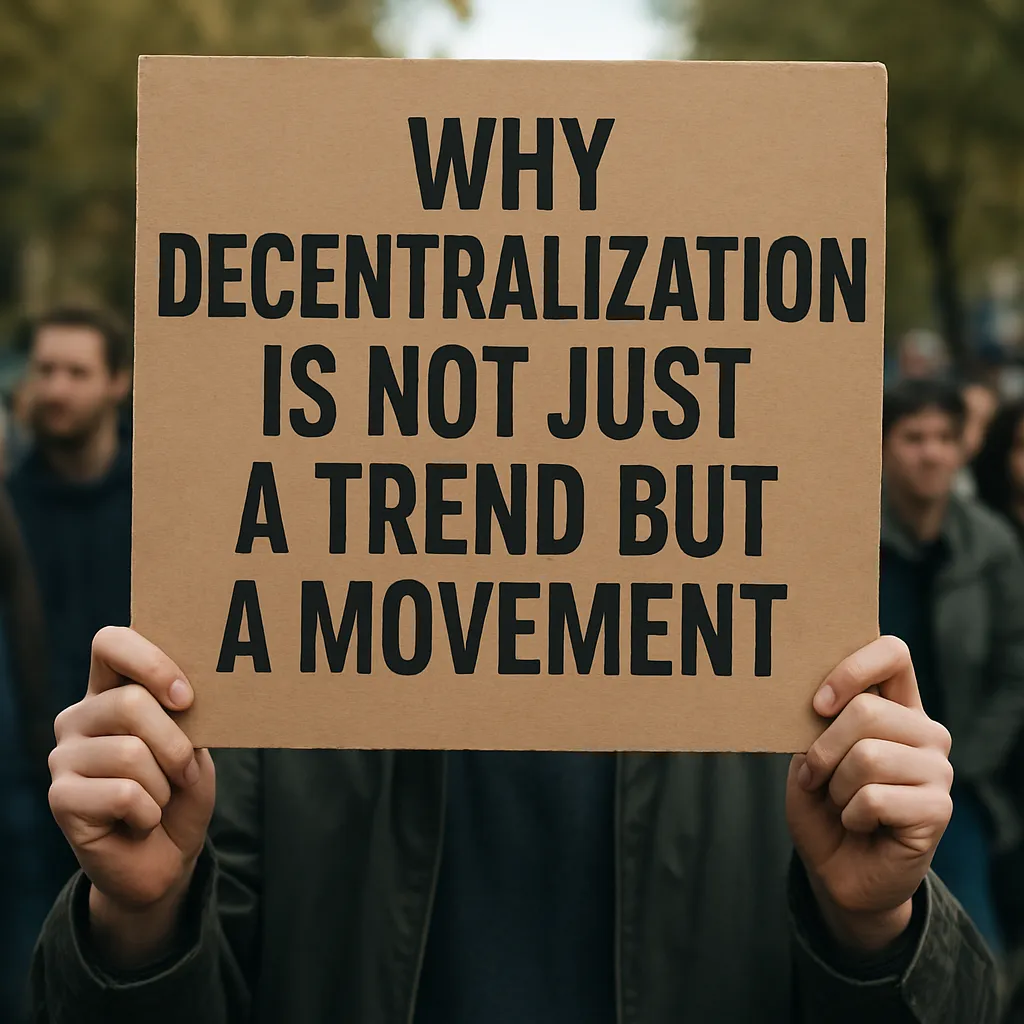
Decentralization reduces reliance on centralized entities by distributing decision-making across network participants. Each node validates transactions, ensuring the integrity of the blockchain. This trustless structure fosters transparent operations and enhances security against censorship or manipulation.
- Consensus mechanisms like Proof of Work and Proof of Stake ensure network reliability.
- Decentralized Autonomous Organizations (DAOs) empower communities to govern protocols collectively.
- On-chain voting and treasury management enable stakeholder participation.
By embracing decentralization, projects can align incentives for users and developers, encouraging long-term collaboration. This design contrasts sharply with legacy systems, where a handful of executives dictate rules and policy changes.
Tokenization and the Future of Ownership
NFTs and Beyond
Tokenization transforms real-world and digital assets into on-chain representations, unlocking unprecedented liquidity and programmability. Non-Fungible Tokens (NFTs) have become the emblematic example, certifying uniqueness and provenance for digital art, collectibles, and virtual real estate.
- Fractional ownership allows multiple stakeholders to share a single high-value asset.
- Dynamic NFTs that evolve based on user interactions or external data feeds.
- Interoperable tokens that function across diverse marketplaces and metaverses.
Looking ahead, tokenization will extend to traditional assets like real estate, intellectual property, and even personal identity. Smart contracts can automate royalty distribution, compliance checks, and secondary market fees, creating a cohesive ecosystem of programmable property.
The Impact on Emerging Economies
Financial Inclusion and Sovereignty
In regions with unstable currencies or limited banking infrastructure, cryptocurrency offers a robust alternative. With only a smartphone and internet access, users can store value, access credit, and participate in global commerce without third-party approval.
- Remittance solutions that cut fees and reduce transfer times.
- Microfinance protocols that provide small loans through collateralized tokens.
- Community-driven projects that fund public goods and social initiatives.
By granting financial sovereignty, digital assets empower individuals to protect savings from inflation and capital controls. This democratization of finance can accelerate economic growth and foster resilience in vulnerable communities.
Challenges and Considerations
Regulatory Landscape and Security
Despite its promise, the crypto space faces hurdles in regulation, user safety, and scalability. Governments worldwide wrestle with balancing innovation against risks like fraud, money laundering, and consumer protection.
- Compliance frameworks aim to integrate digital assets into existing financial laws.
- Audit standards for smart contracts to prevent exploits and vulnerabilities.
- Education initiatives that inform users about secure wallet management and phishing attacks.
Ongoing improvements in protocol design, privacy-preserving technologies, and cross-chain bridges will address many concerns. Collaboration between industry stakeholders and regulators is crucial to sustain growth and build trust.
Redefining Value and Community
Culture, Incentives, and Participation
Cryptocurrency communities often share governance tokens, aligning members’ interests and giving them a direct stake in project success. This model fosters a participatory culture where contributors receive rewards for code, content, or promotion.
- Social tokens enable personalized economies around creators and influencers.
- Community grants and bounties distribute funding for product development.
- Transparent treasury reports build accountability and collective decision-making.
As value accrues on-chain, participants enjoy greater transparency into fund usage and project direction. This democratic approach nurtures vibrant ecosystems where everyone can contribute to shaping the future.