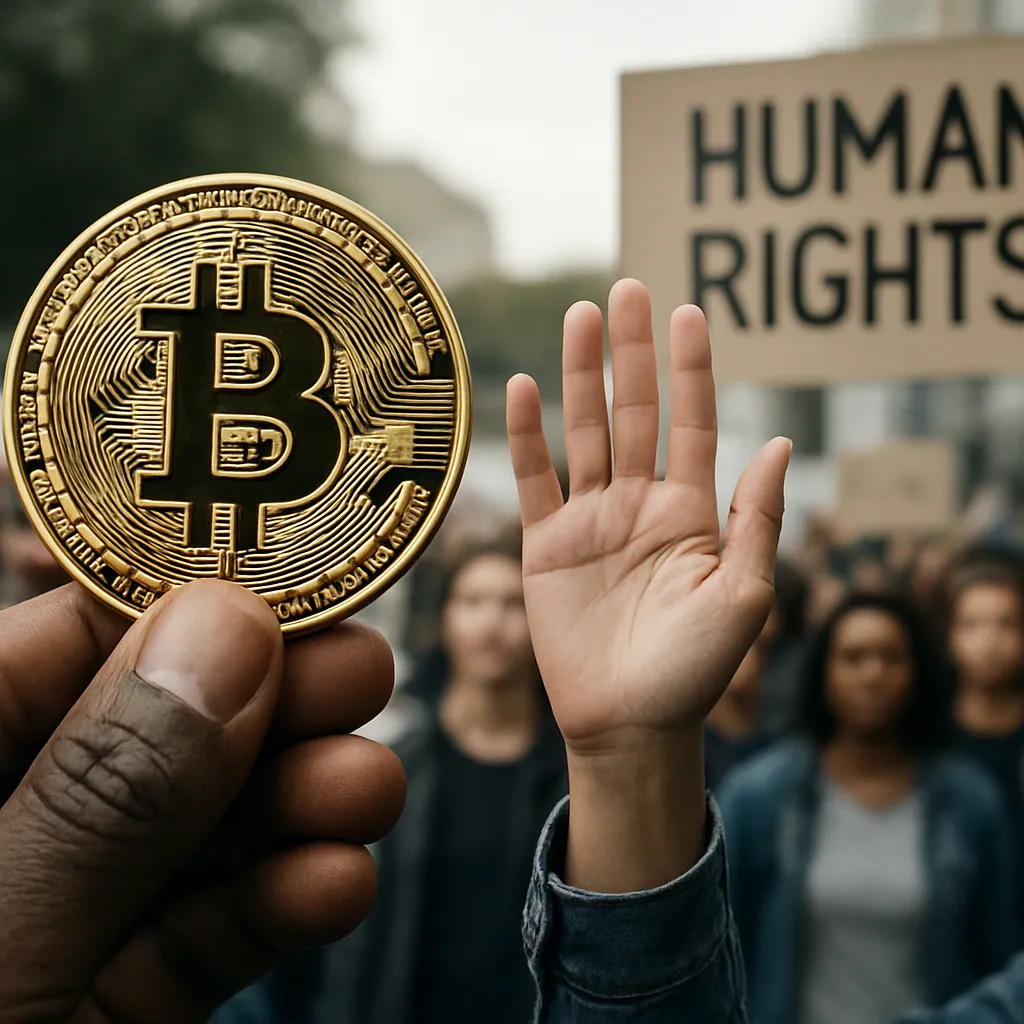
The emergence of blockchain technology has sparked transformative conversations around global peacebuilding, transcending traditional diplomatic and financial frameworks. At the intersection of technology and humanitarian efforts lies an unprecedented opportunity to harness decentralization for equitable resource distribution, conflict resolution, and transparent governance. By leveraging principles of consensus mechanisms and immutable ledgers, stakeholders—from grassroots organizations to international coalitions—can pursue new pathways toward stability and cooperation. This article delves into three crucial domains in which blockchain and its associated innovations, such as smart contracts and cryptocurrency, are set to redefine the architecture of peace initiatives.
Financial Inclusion through Decentralized Finance
Economic disenfranchisement often fuels social unrest and protracted conflict. Traditional banking systems may exclude marginalized communities due to a lack of documentation, geographic isolation, or political sanctions. In this context, blockchain-enabled Decentralized Finance (DeFi) platforms can offer low-cost, permissionless financial services to the underbanked, fostering stability through improved livelihoods.
- Transparency in transaction records: An immutable ledger minimizes corruption and ensures aid reaches intended recipients.
- Borderless remittances: Individuals working abroad can send funds instantly without hefty fees or intermediaries.
- Peer-to-peer lending pools: Community-driven credit systems can emerge, reducing dependency on predatory lenders.
- Tokenized assets: Land titles, microloans, or agricultural output can be represented as digital tokens, promoting secure ownership.
By combining security guarantees with programmable financial instruments, DeFi protocols enable local entrepreneurs and social enterprises to access working capital. Collaborative funding models—such as yield farming or liquidity staking—allow donors to support peacebuilding projects while earning modest returns, creating sustainable incentive structures. Ultimately, economic empowerment through blockchain-based financial inclusion can mitigate the root causes of conflict and lay the groundwork for long-term reconciliation.
Decentralized Governance and Conflict Resolution
Trust in institutions is a critical ingredient for peace, yet it is often undermined by opacity and power imbalances. Distributed ledger technology offers a novel approach to reimagining governance frameworks, enabling participatory decision-making and dispute arbitration without central authorities.
Smart Contracts for Transparent Agreements
Smart contracts automate the enforcement of treaties, ceasefire agreements, and humanitarian pacts. By encoding terms in self-executing code, parties can ensure compliance through built-in triggers, such as automatic fund release only upon verifiable milestones.
- Immutable records of negotiations reduce revisionism and false claims.
- Automated escrow services can secure reparations or aid disbursements.
- Decentralized Autonomous Organizations (DAOs) allow stakeholders to vote on resource allocation or policy changes in real time.
Integrating open-source dispute-resolution protocols can further democratize conflict management. Community-elected arbitrators or AI-assisted juries can examine evidence logged on the blockchain, providing binding judgments that respect local customs while adhering to universal standards. This fusion of governance innovation and digital accountability fosters trust among historically adversarial groups and paves the way for durable peace agreements.
Humanitarian Aid, Digital Identity, and Social Impact
Delivering aid in crisis zones is often hampered by logistical bottlenecks and fraudulent activities. Blockchain-based supply chain solutions can track commodities—from food rations to medical supplies—ensuring they reach vulnerable populations efficiently and authentically. Each shipment’s origin, handling, and destination can be timestamped on a shared ledger, providing real-time visibility to donors, NGOs, and local authorities.
Self-Sovereign Identity for At-Risk Populations
Millions lack formal identification, which restricts access to essential services, education, and legal protections. A self-sovereign identity (SSI) framework empowers individuals to maintain control over personal data, verifying credentials without centralized databases prone to manipulation. Refugees, internally displaced persons, and survivors of conflict can store attestations—such as birth certificates or skill certifications—in encrypted digital wallets, presenting proofs-of-identity only when necessary.
- Enhanced privacy safeguards against surveillance by hostile parties.
- Portability of credentials allows seamless cross-border assistance.
- Interoperability across humanitarian platforms accelerates service delivery.
By integrating interoperability standards, NGOs and governmental agencies can collaborate on a unified trust network, reducing duplication of efforts and preventing fraud. The convergence of digital identity, resource tracking, and community governance builds resilience in fragile states, enabling populations to recover more rapidly and participate in rebuilding social cohesion.
Across these domains, the convergence of cryptocurrency initiatives, decentralized systems, and robust security protocols presents a compelling blueprint for global peace efforts. As innovators, policymakers, and civil society unite around shared objectives, the promises of blockchain—rooted in transparency, immutability, and equitable participation—may usher in a new era of collaborative conflict resolution and sustainable development.