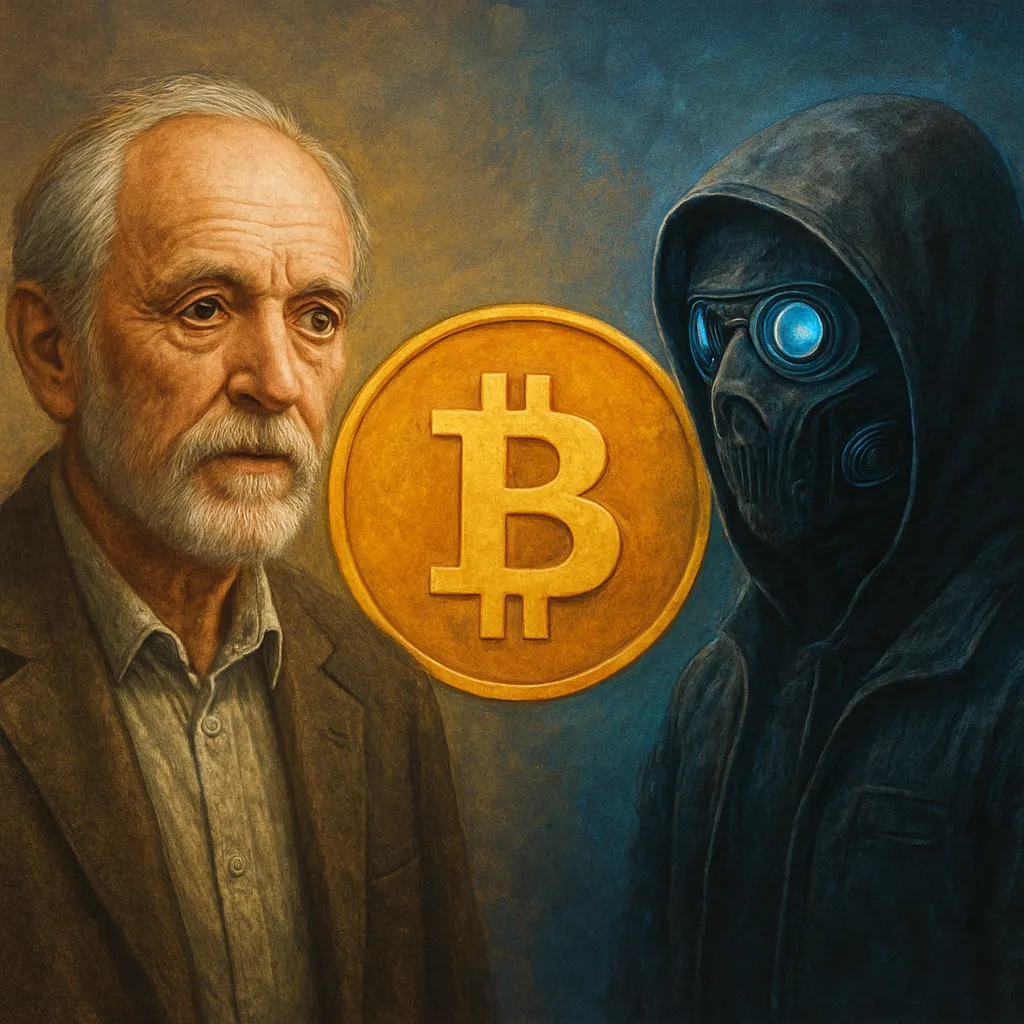
Cryptocurrency emerged as a profound experiment in reimagining the nature of money, challenging centuries of financial orthodoxy. Its journey weaves through the ideals of economic liberty, the technical breakthroughs of computer science, and the cultural visions of a decentralized future. This article explores the multifaceted world of digital currencies, mapping their historical origins, philosophical foundations, cultural expressions, and modern innovations.
Origins of Digital Currency
The genesis of digital money can be traced to early attempts at creating secure online transactions. Visionaries like Wei Dai and Nick Szabo sketched out theoretical frameworks such as b-money and Bit Gold, laying the groundwork for an entirely new class of assets. These proposals sought to leverage cryptography to ensure scarcity and authenticity, rather than trusting centralized institutions. When Satoshi Nakamoto published the Bitcoin whitepaper in 2008, it represented the culmination of years of incremental innovation. Bitcoin’s use of a distributed ledger known as the blockchain introduced a trustless mechanism, where participants could verify transactions without relying on a single authority.
Early adopters recognized Bitcoin’s potential to subvert conventional banking systems. They saw an opportunity for a peer-to-peer network that would operate beyond the reach of national borders and monetary policy. These pioneers were united by a belief in financial freedom, envisioning a global currency immune to inflationary pressures and political interference.
Philosophical Underpinnings of Cryptocurrencies
At the heart of the cryptocurrency movement lies a radical reinterpretation of trust and sovereignty. Traditional money depends on governments and central banks to preserve value and regulate supply. Cryptocurrencies, by contrast, distribute authority across a network of nodes, replacing institutional trust with algorithmic guarantees. This shift reflects the influence of Austrian economic theories, which criticize government intervention and advocate for market-driven monetary systems.
Libertarian thinkers such as Friedrich Hayek argued that competing private currencies could enhance economic stability. They believed that diverse emission sources would protect citizens from reckless fiscal policies. Bitcoin’s decentralized issuance echoes these principles. The predetermined issuance schedule and capped supply of 21 million coins embody a commitment to scarcity and predictability. Supporters argue that this model prevents the unchecked expansion of the money supply, often criticized as a form of hidden taxation on currency holders.
Beyond economics, cryptographic activists emphasize the right to privacy and anonymity. They assert that individuals should control their own data and financial identities, free from intrusive surveillance. Projects like Monero and Zcash have taken these concerns further, implementing enhanced privacy protocols to obscure transaction details. For many advocates, protecting personal financial information is integral to preserving civil liberties in a digital age rife with data collection and monitoring.
Manifestations in Cyberpunk and Culture
The aesthetic and narrative threads of cyberpunk literature and film resonated deeply with early crypto enthusiasts. Works by William Gibson and Neal Stephenson depicted dystopian societies where powerful corporations manipulate information and currency. These stories celebrated rebels who used technology to reclaim autonomy. In a similar vein, the cypherpunk mailing list of the 1990s championed the use of strong encryption to empower individuals against surveillance states.
Tim May’s “Crypto Anarchist Manifesto” proclaimed that encrypted networks would render governmental controls obsolete. The revolution envisioned by cypherpunks was both technical and social: an upending of existing power structures through the strategic deployment of code. When Bitcoin arrived, it was hailed as the first practical realization of these ideals. The network’s resilience against censorship and its ability to operate without central gatekeepers mirrored the cyberpunk ethos of subversion and decentralization.
Artists and musicians soon embraced the symbolism of cryptocurrencies. NFT (Non-Fungible Token) art has exploded as a new medium, enabling creators to tokenize digital works and sell them directly to collectors. This trend underscores a broader cultural shift toward verifying digital ownership and authenticity. Through platforms like Ethereum, users deploy smart contracts that automate agreements, further blurring the line between code and legal frameworks.
Contemporary Developments and Future Prospects
Since Bitcoin’s debut, the digital asset landscape has diversified dramatically. Thousands of alternative coins (altcoins) now offer specialized functionalities, from privacy enhancements to decentralized finance (DeFi) applications. DeFi platforms aim to recreate traditional financial services—lending, borrowing, trading—without intermediaries. This movement highlights the ongoing quest for transparency and accessibility in global finance.
Key trends shaping the evolution of cryptocurrency include:
- Interoperability protocols that connect disparate blockchains, fostering a more unified ecosystem
- Layer 2 scaling solutions designed to reduce transaction fees and increase throughput
- Regulatory frameworks seeking to balance innovation with consumer protection
- Central Bank Digital Currencies (CBDCs) as governments experiment with their own tokenized money
- Institutional adoption, where major corporations and financial firms explore blockchain integration
Despite remarkable growth, challenges persist. Environmental concerns about energy-intensive mining operations have sparked debate and driven research into more efficient consensus algorithms. Security vulnerabilities and high-profile hacks underscore the need for rigorous code audits and best practices. Moreover, the tension between privacy advocates and regulators continues to shape policy discussions worldwide.
Looking ahead, the interplay between technology, economics, and ideology will determine the trajectory of cryptocurrencies. Will the promise of a truly decentralized financial system be realized, or will regulatory pressures and centralized interests co-opt these innovations? As blockchain applications expand into supply chain management, digital identity, and beyond, the core question remains: can these networks maintain their original spirit of innovation and empowerment?
Embracing a New Economic Paradigm
Whether one views cryptocurrencies as speculative assets or genuine instruments of liberation, their impact is undeniable. They have catalyzed a broader conversation about the nature of money, the role of trust, and the potential for technology to reshape societal structures. As users, developers, and policymakers navigate this evolving landscape, the fundamental ideals of autonomy, security, and openness continue to inspire ambitious visions of a more equitable financial future.