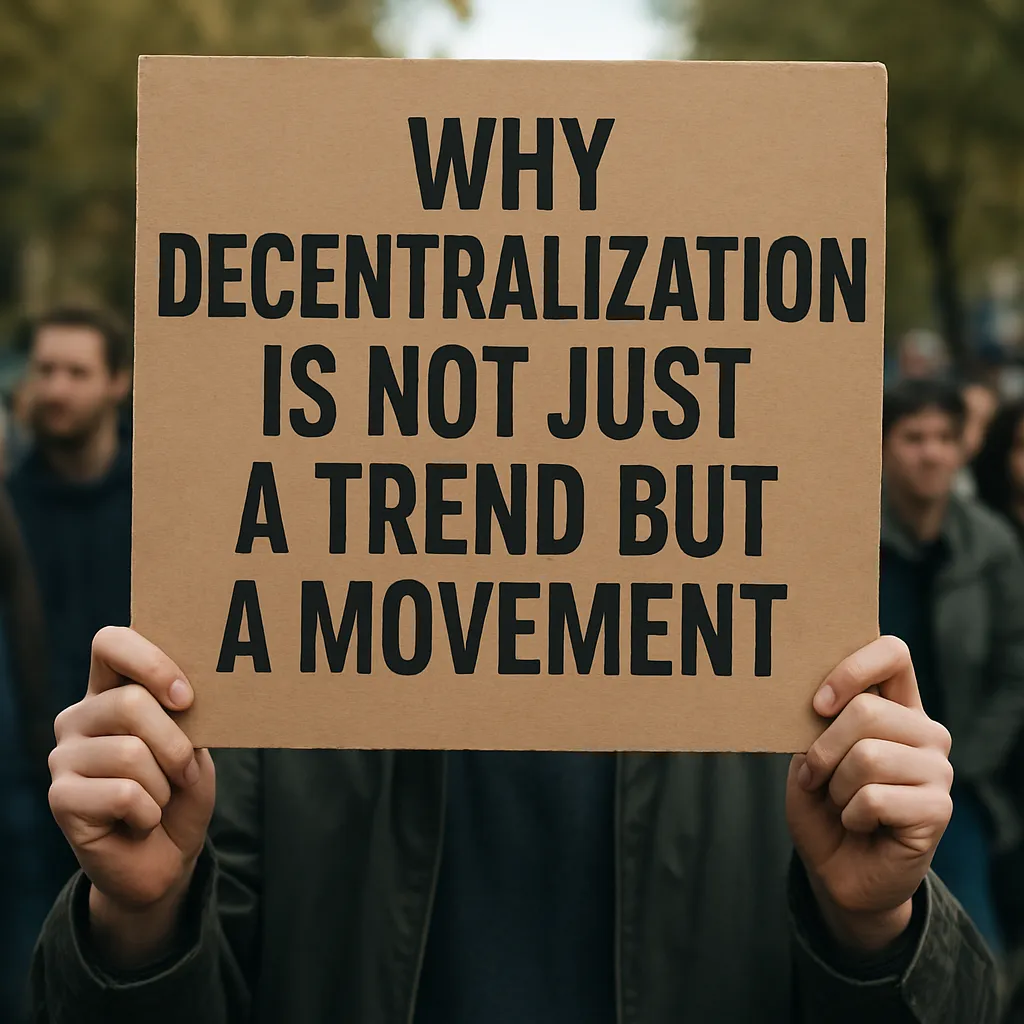
The paradox of decentralization in the world of cryptocurrency highlights a delicate balance between freedom and responsibility. Driven by the promise of a peer-to-peer financial system, built on blockchain technology, this movement empowers individuals with unprecedented control over their assets. Yet, without centralized authorities or intermediaries, participants must assume full accountability for their actions. This article explores the multifaceted nature of this paradox, examining how decentralization fuels innovation while demanding a heightened sense of individual and collective duty.
What Is Decentralization?
Decentralization refers to the distribution of power away from a central authority. In traditional finance, banks and governments regulate currency flow, enforce rules, and ensure stability. Cryptocurrency projects, however, leverage cryptographic protocols and consensus mechanisms to create an open network where participants validate transactions and maintain the ledger collectively. Such systems champion autonomy, enabling anyone with an internet connection to join without permission.
Key characteristics of decentralization include:
- Distributed Ledger: A shared database where all network participants hold a synchronized copy.
- Consensus Mechanisms: Protocols like Proof of Work (PoW) or Proof of Stake (PoS) that secure the network without central oversight.
- Open Participation: Permissionless access, allowing developers and users from any jurisdiction to contribute.
- Censorship Resistance: Transaction finality assured by cryptographic proof rather than institutional decree.
While these features foster independence, they also shift the burden of security, maintenance, and compliance onto the individual and the community at large.
The Freedom of Cryptocurrency
One of the most celebrated aspects of digital currencies is financial inclusion. People in underserved regions gain access to a global payment system, bypassing remittance fees and currency controls. Moreover, users enjoy sovereignty over their private keys, granting them direct ownership of funds without reliance on custodians.
Another cornerstone is transparency. Public blockchains record every transfer, making transaction history auditable by anyone. This openness promotes trustlessness – the idea that you need not trust a central party if the protocol’s rules are enforceable by code. Developers worldwide can propose improvements, fostering a vibrant ecosystem of innovation and experimentation.
Decentralized finance (DeFi) platforms exemplify freedom at work. They offer services such as:
- Decentralized exchanges (DEXs) for peer-to-peer trading
- Automated market makers (AMMs) that set prices through liquidity pools
- Yield farming, enabling users to earn rewards on supplied assets
- Flash loans, which provide uncollateralized credit for atomic transactions
By removing intermediaries, DeFi empowers individuals to earn interest, borrow funds, and trade assets without KYC barriers or lengthy approval processes.
The Responsibility Paradox
Freedom in a decentralized ecosystem begets a profound responsibility. Users must protect their private keys; loss means permanent forfeiture of funds. Unlike banks that can reverse erroneous transfers, blockchain transactions are mostly immutable. This creates a dual-edged sword: ultimate control paired with irreversible consequences.
Within decentralized governance models, token holders vote on protocol upgrades, fee structures, and security measures. While this democratizes decision-making, it also exposes networks to the risk of voter apathy or undue influence from large stakeholders. Ensuring fair representation and preventing governance attacks demand robust governance frameworks and vigilant community engagement.
Developers too carry responsibility. Smart contract bugs or flawed economic models can lead to dramatic losses, as evidenced by high-profile hacks and token collapses. Rigorous audits, formal verification, and responsible disclosure practices are essential to maintain network integrity. In this context, trust is not placed in a single entity but in the collective diligence of contributors.
Challenges and Opportunities
The decentralized paradigm faces several hurdles. Scalability remains a pressing concern, as networks struggle to process high transaction volumes without sacrificing decentralization or security – a dilemma known as the blockchain trilemma. Solutions such as layer-2 rollups, sharding, and novel consensus protocols aim to address these trade-offs, but require coordinated upgrades and community buy-in.
Regulatory uncertainty also clouds the horizon. Governments grappling with anti-money laundering (AML) measures and consumer protection must decide how to treat pseudonymous networks. Overregulation could stifle the very innovation decentralization seeks to promote, while under-regulation risks fraudulent schemes and illicit activity.
Despite these challenges, decentralization unlocks unprecedented opportunities:
- Financial Sovereignty: Empowering unbanked populations and reducing reliance on fragile banking infrastructures.
- Resilience: Distributed networks resist single points of failure, enhancing system robustness.
- Cross-Border Transactions: Near-instantaneous transfers at minimal cost, reshaping remittance industries.
- Programmable Money: Smart contracts enabling complex, self-executing agreements without intermediaries.
By embracing the responsibility that comes with their freedom, developers, users, and regulators can collaborate to refine decentralized systems. Through transparent dialogue, community-driven protocols, and rigorous technical standards, the paradox of decentralization can evolve from a tension into a sustainable synergy between individual liberty and collective trust.