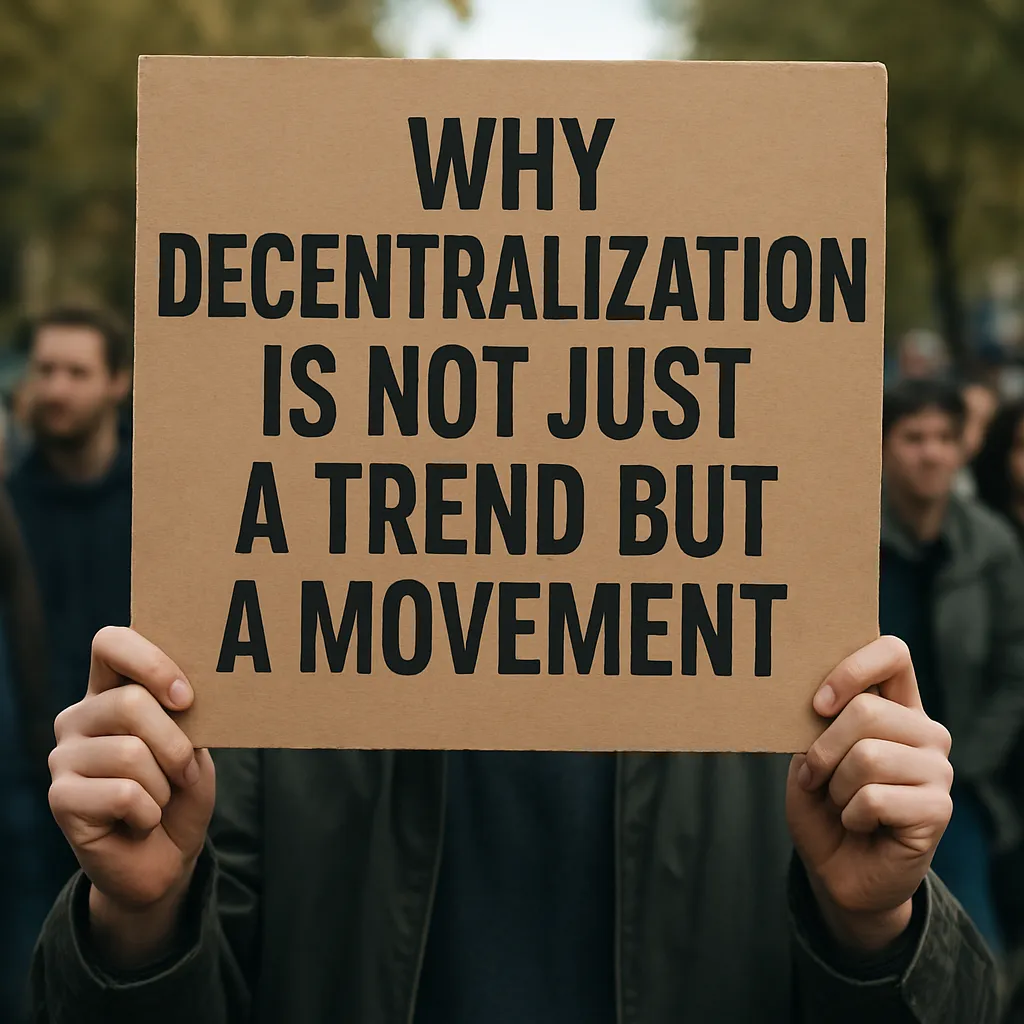
The rise of digital currencies and distributed ledger technologies has captured the attention of major industry players around the globe. With traditional financial systems under pressure to evolve, large technology firms are channeling substantial resources into research, development, and strategic acquisitions. This article delves into the dynamic world of cryptocurrency and related topics, exploring the factors that drive Big Tech’s interest in blockchain, the real-world applications that justify their investment, and the challenges that lie ahead.
Foundations of Cryptocurrency and Blockchain Technology
At its core, the concept of cryptocurrency rests on three pillars: decentralization, security, and transparency. Unlike centralized databases managed by a single authority, a blockchain is an immutable ledger maintained by a network of nodes. Each new transaction is grouped into a block, cryptographically linked to its predecessor, creating a chronological chain of data.
Several key features set blockchain-based systems apart:
- Decentralization: Eliminates the need for intermediaries like banks or clearinghouses, potentially reducing costs and processing times.
- Security: Cryptographic algorithms protect data integrity, making unauthorized modifications virtually impossible.
- Transparency and auditability: All transactions are visible to network participants, enhancing accountability.
- Tokenization: Real-world assets—ranging from art and real estate to intellectual property—can be converted into digital tokens that trade on blockchain platforms.
These characteristics have spurred the development of smart contracts, self-executing agreements with the terms of the deal directly written into code. By automating business logic, smart contracts lower the risk of human error and fraud, streamline workflows, and foster trust among previously unconnected parties.
Drivers Behind Big Tech’s Strategic Investments
Major technology corporations are drawn to blockchain for a variety of strategic reasons. Their motivations include:
- Innovation. To maintain competitive advantage, firms allocate R&D budgets toward breakthrough technologies. Blockchain’s rapid maturation promises new revenue streams and service models.
- Scalability improvements. Proprietary solutions aim to overcome the throughput limitations of early public blockchains, allowing enterprise-grade transaction volumes.
- Interoperability standards. Cross-chain protocols and consortium networks help enterprises share data securely without sacrificing privacy.
- Regulatory readiness. By engaging proactively, companies help shape emerging compliance frameworks around digital assets and decentralized finance (DeFi).
- Market positioning. Early movers can acquire patents, talent, and partnerships that reinforce their status as industry leaders.
Leading examples illustrate the trend:
- One global social media giant launched its own blockchain-based wallet and token ecosystem to facilitate peer-to-peer payments and rewards.
- A major e-commerce platform invested in a consortium blockchain designed to authenticate product provenance and combat counterfeit goods.
- Top cloud service providers now offer managed blockchain as a service, enabling clients to spin up networks in minutes without specialized infrastructure.
Real-World Applications and Emerging Use Cases
Blockchain’s appeal extends beyond cryptocurrencies. A growing portfolio of use cases demonstrates its versatility:
- Supply chain management: Immutable tracking of goods from source to consumer, reducing fraud, ensuring ethical sourcing, and optimizing logistics.
- Digital identity: Self-sovereign identity platforms give individuals control over personal data, enhancing privacy and reducing identity theft.
- Healthcare records: Secure sharing of patient data among providers, accelerating diagnostics while preserving confidentiality.
- Content distribution: Decentralized storage and payment systems empower creators to monetize digital media directly, trimming out intermediaries.
- Energy trading: Peer-to-peer marketplaces facilitate real-time buying and selling of renewable power, improving grid efficiency and reducing waste.
These implementations rely heavily on robust consensus mechanisms and governance models. For permissioned blockchains, predefined participants must agree on rules for validation, dispute resolution, and protocol upgrades. Public networks, in contrast, explore novel approaches such as proof-of-stake and delegated validation to reduce environmental impact while safeguarding decentralization.
Regulatory Landscape and Economic Implications
As digital assets gain traction, regulators worldwide are racing to adapt existing frameworks or introduce new legislation. The uncertain legal environment presents both risks and opportunities for large tech firms:
- Anti-money laundering (AML) and know-your-customer (KYC) rules require strong identity verification processes, aligning with blockchain’s transparency features.
- Tax reporting protocols for token sales and capital gains demand enhanced accounting tools and standardized reporting formats.
- Data protection laws, such as the GDPR, challenge public blockchains’ immutable nature, compelling developers to seek privacy-preserving solutions like zero-knowledge proofs.
- Central bank digital currencies (CBDCs) are under active development in several jurisdictions, bridging the gap between sovereign money and programmable finance.
From an economic standpoint, the tokenization of assets unlocks previously illiquid markets. Real estate shares, fine art fractions, and venture capital stakes can be traded 24/7 on global exchanges. This newfound liquidity accelerates capital flows and democratizes investment opportunities, albeit while introducing new layers of volatility and speculation.
Challenges, Risks, and Future Outlook
No technology is without hurdles, and blockchain is no exception. Key challenges include:
- Network congestion and high fees during peak usage periods, which undermine user experience.
- Security threats, such as 51% attacks, smart contract bugs, and phishing exploits targeting wallet holders.
- Scalability trilemma: balancing decentralization, security, and performance remains a central research focus.
- Talent shortage: demand for skilled developers, cryptographers, and blockchain architects far outpaces supply.
- Fragmentation: proliferation of incompatible platforms hinders seamless value transfer across ecosystems.
Despite these obstacles, the momentum behind blockchain and cryptocurrency continues to gather pace. As Big Tech firms refine their strategies, we can expect increased collaboration through open standards, consortium models, and cross-industry alliances. Enhanced governance frameworks will emerge, striking a balance between corporate interests and community participation. Ultimately, widespread adoption of blockchain-based solutions could reshape entire industries, from finance and healthcare to logistics and entertainment.
Conclusion
By investing heavily in blockchain research, infrastructure, and talent, major technology companies signal their conviction that distributed ledger technology will play a transformative role in tomorrow’s global economy. From bolstering data security to enabling frictionless transactions and tokenized assets, the possibilities are virtually limitless. While significant challenges remain, the combined efforts of private enterprises, public institutions, and open-source communities promise a future where decentralized networks underpin many facets of daily life.