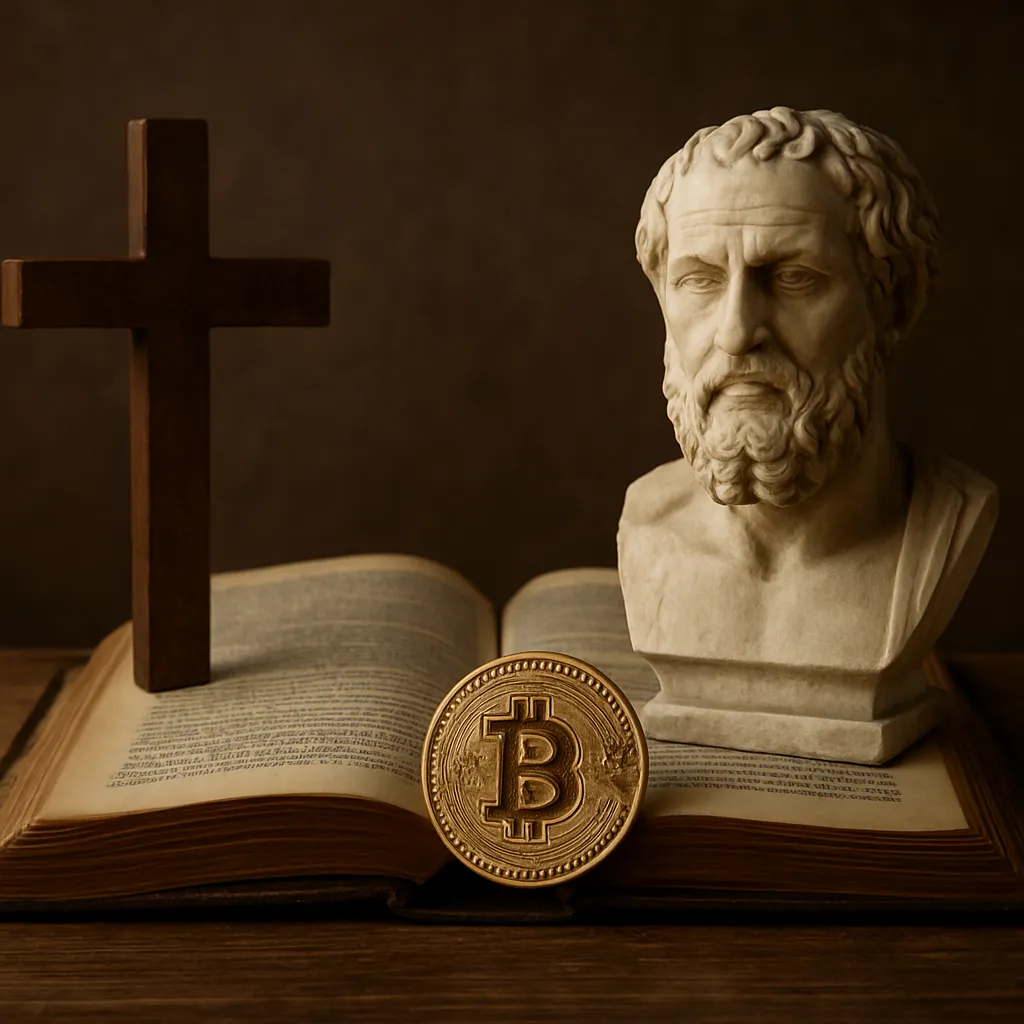
The fusion of ancient spiritual doctrines and timeless philosophical insights has left an indelible mark on the evolution of cryptocurrency. This intersection shapes the way enthusiasts, developers, and communities envision the role of digital assets in fostering economic freedom, ethical governance, and technological innovation. By exploring how religious tenets and philosophical paradigms inform core crypto principles, one can appreciate the deeper motivations driving the quest for decentralization and the emergence of new forms of collective trust.
Historical Intersection of Religion, Philosophy, and Money
Throughout history, economic systems have often been intertwined with moral and spiritual beliefs. Ancient civilizations viewed wealth not merely as a means of transaction but as a reflection of cosmic balance, communal harmony, and ethical responsibility. For instance, Confucianism in East Asia emphasized the importance of virtue and benevolence in commercial dealings, urging merchants to treat others with fairness. Similarly, Islamic finance introduced concepts like zakat and the prohibition of riba, embedding social welfare and risk-sharing into monetary practices.
Philosophers such as Aristotle and Thomas Aquinas further elaborated on the nature of value, justice, and the role of money in society. Aristotle’s notion of “just price” sought to prevent exploitation, while Aquinas connected economic conduct to Christian ethics, advocating charity and equitable exchange. These early frameworks laid the groundwork for modern discussions about the ethical dimensions of financial systems.
- Confucian ethics: Harmony, empathy, responsible commerce
- Islamic principles: Prohibition of interest, wealth redistribution
- Christian theology: Charity, just pricing, moral stewardship
- Aristotelian thought: Purpose of exchange, fairness, communal good
Influence on Cryptocurrency Ideals
At its core, cryptocurrency champions ideals that resonate with age-old spiritual and philosophical doctrines. The drive toward self-sovereignty echoes the liberation narratives found in various faiths, where individuals seek autonomy from oppressive structures. In crypto, this manifests as the removal of intermediaries—banks, clearinghouses, or centralized authorities—ensuring that participants retain direct control over their assets.
The concept of trustlessness mirrors certain ascetic traditions that emphasize inner faith over external assurances. By leveraging cryptographic proofs, blockchain networks allow users to verify transactions without relying on any single entity’s word. This technological embodiment of trust minimization fosters a global community built on transparent, verifiable processes rather than institutional reputation.
Another point of convergence lies in the principle of transparency. Many religious institutions have historically mandated open accounting and communal oversight to prevent corruption. Similarly, blockchains offer public ledgers accessible to all, promoting accountability and reducing the likelihood of hidden manipulations. This open record-keeping aligns with philosophical calls for honest governance and collective vigilance.
Ethical Framework and Decentralization
Decentralization serves as the bedrock of crypto philosophy, aspiring to dismantle centralized power structures and distribute influence among network participants. This quest resonates with democratic ideals championed by philosophers like John Locke and Jean-Jacques Rousseau, who argued for consent of the governed and the exaltation of individual rights. In the crypto realm, consensus algorithms and governance tokens empower communities to propose and vote on protocol changes, embedding participatory ethics into code.
The notion of altruism emerges in decentralized finance (DeFi) and philanthropic blockchain initiatives. Projects such as decentralized autonomous organizations (DAOs) funded by token holders echo the communal giving traditions found in many faiths. Contributors pool resources to support social causes, leveraging smart contracts to ensure that funds are disbursed according to predefined, indisputable rules. This synergy of technology and ethical intent demonstrates how religious injunctions to care for the less fortunate can be codified into digital networks.
- Consensus governance: Collective decision-making, egalitarian participation
- Smart contract ethics: Immutable commitments, automated fairness
- DAOs: Community cohesion, aligned incentives
- Charitable tokens: Transparent donations, traceable impact
Future Directions and Societal Impact
As cryptocurrency continues to mature, its philosophical and religious underpinnings will shape emerging trends. The drive toward environmental sustainability within blockchain protocols parallels stewardship teachings found in indigenous and religious worldviews that emphasize care for the Earth. Innovations such as proof-of-stake and carbon-offset tokens showcase the community’s commitment to aligning economic activity with ecological responsibility.
Meanwhile, the ongoing dialogue between secular philosophers and spiritual leaders can foster a more inclusive crypto culture. Ethical debates around privacy, autonomy, and social justice are invigorated when informed by both Kantian deontology and Buddhist compassion. Projects that prioritize equitable access, data sovereignty, and digital identity solutions may draw inspiration from humanistic values and faith-based calls for dignity and respect.
Ultimately, the confluence of religion, philosophy, and cryptocurrency stands as a testament to humanity’s enduring quest for meaningful exchange. By infusing digital finance with moral insights, the crypto movement has the potential to redefine wealth, governance, and communal welfare in the twenty-first century.