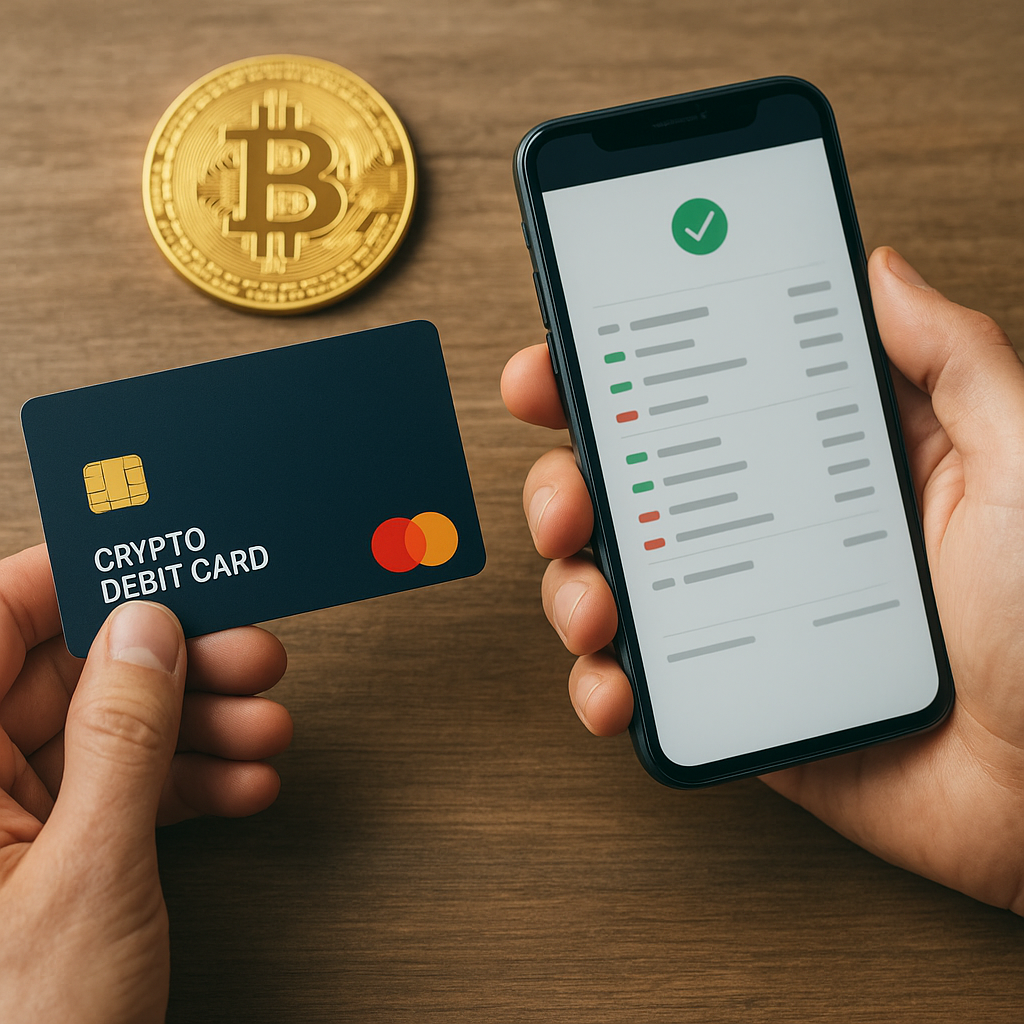
Crypto debit cards are reshaping how individuals access and spend their digital assets. By linking traditional payment networks with cryptocurrency wallets, these cards offer a bridge between the evolving world of digital currencies and the established financial ecosystem. From seamless point-of-sale transactions to integrated mobile apps, users can convert tokens on the fly while enjoying familiar payment methods. However, this fusion of fiat and crypto also brings new challenges, including compliance complexities, exchange rates, and market fluctuations. Below, we explore the fundamental concepts, weigh the benefits and drawbacks, and offer guidance on navigating this emerging landscape.
Understanding Crypto Debit Cards
At their core, crypto debit cards function like standard prepaid or debit cards, but they draw funds directly from a user’s cryptocurrency balance. When a purchase is made, the required amount of crypto is automatically converted into fiat currency—such as USD or EUR—via the card provider’s platform. This process hinges on blockchain protocols and smart contracts to ensure transparent and secure exchanges.
Key components include:
- A linked digital wallet supporting one or more crypto assets (e.g., Bitcoin, Ethereum, stablecoins).
- Integration with major payment networks (Visa, Mastercard, etc.).
- Real-time exchange services that determine conversion rates and fees.
This model enables users to spend crypto wherever debit cards are accepted, without merchants needing to install special infrastructure. Simultaneously, card issuers must navigate regulation across multiple jurisdictions and implement robust security measures to protect against fraud and money-laundering risks.
Advantages of Crypto Debit Cards
Crypto debit cards unlock a variety of benefits for everyday users and crypto enthusiasts alike:
- Convenience: Transactions resemble those with conventional debit cards—swipe, tap, or enter a PIN at checkout, and the system handles the conversion in seconds.
- Global acceptance: As long as the merchant supports the underlying payment network, users can spend crypto in thousands of locations, from cafes to online stores.
- Mobility and control: Mobile apps allow instant top-ups, balance checks, and transaction histories, giving users real-time oversight of their funds.
- Multi-asset support: Many cards accommodate various cryptocurrencies, offering flexibility to choose which asset to use for spending and potentially optimizing tax events.
- Rewards and cashback: Some issuers provide incentives such as crypto rebates on purchases, staking rewards, or exclusive access to token airdrops.
By combining everyday usability with the principles of decentralization, these cards empower users to leverage their digital holdings without lengthy withdrawal processes or third-party intermediaries.
Disadvantages of Crypto Debit Cards
Despite their attractiveness, crypto debit cards carry inherent risks and limitations:
- Volatility: Crypto prices can shift dramatically in minutes. A purchase completed at one rate may convert a higher or lower value than anticipated, potentially leading to unexpected expenses.
- Exchange fees: Providers often charge spread or markup fees during conversion. These costs can accumulate, especially for frequent transactions or low-value purchases.
- Regulatory uncertainty: Varying legal frameworks may subject users to reporting requirements, transaction limits, or even service suspensions in certain regions.
- Limited cashback options: While some cards offer rewards, they may be restricted to specific tokens or playable only after meeting staking thresholds.
- Account freezes and KYC hurdles: Strict Know Your Customer checks are standard, and any suspicion of illicit activity can lead to frozen assets pending lengthy verifications.
Moreover, the reliance on centralized issuers for conversion and card issuance introduces counterparty risk, diverging from the pure form of decentralization celebrated by crypto purists.
Tips for Evaluating Crypto Debit Cards
Assessing Fees and Limits
Compare transaction fees, monthly maintenance charges, and ATM withdrawal limits. Watch out for hidden margins on exchange rates that inflate costs over time.
Security Protocols
Ensure the issuer offers two-factor authentication, card locking features in the app, and insurance against fraudulent transactions. Confirm their compliance with industry standards like PCI DSS.
Supported Cryptocurrencies
Verify which assets you can load onto the card. If you hold less common tokens, check if the provider offers automatic conversion paths or if you must first swap on a separate exchange.
Reward Structures
Analyze cashback rates and bonus schemes. Some cards grant higher percentages for spending with partner merchants or for meeting staking thresholds on the issuer’s platform.
Integrating with Traditional Finance
Crypto debit cards are increasingly offered in partnership with established banks, enabling smoother withdrawals and direct fiat top-ups. This hybrid approach combines the familiarity of legacy banking with the innovation of digital assets. Key trends include:
- Direct ACH or SEPA deposit options for seamless funding.
- Joint loyalty programs linking crypto rewards to airline miles or hotel points.
- Integrated budgeting tools that categorize expenses across both crypto and fiat spends.
Such integrations can diminish the gap between conventional and crypto finance, fostering broader adoption among mainstream users.
Future Outlook of Crypto Debit Cards
As the industry matures, we expect continued enhancements in user experience, lower transaction costs, and stronger compliance frameworks. Ongoing innovation—such as programmable cards enabled by smart contracts—could introduce features like automated escrow for recurring payments or dynamic fee adjustments based on network congestion. Regulatory clarity in major markets will be pivotal in driving volume and reducing counterparty uncertainties. Ultimately, these developments will determine the long-term viability of crypto debit cards as a staple in global financial portfolios.