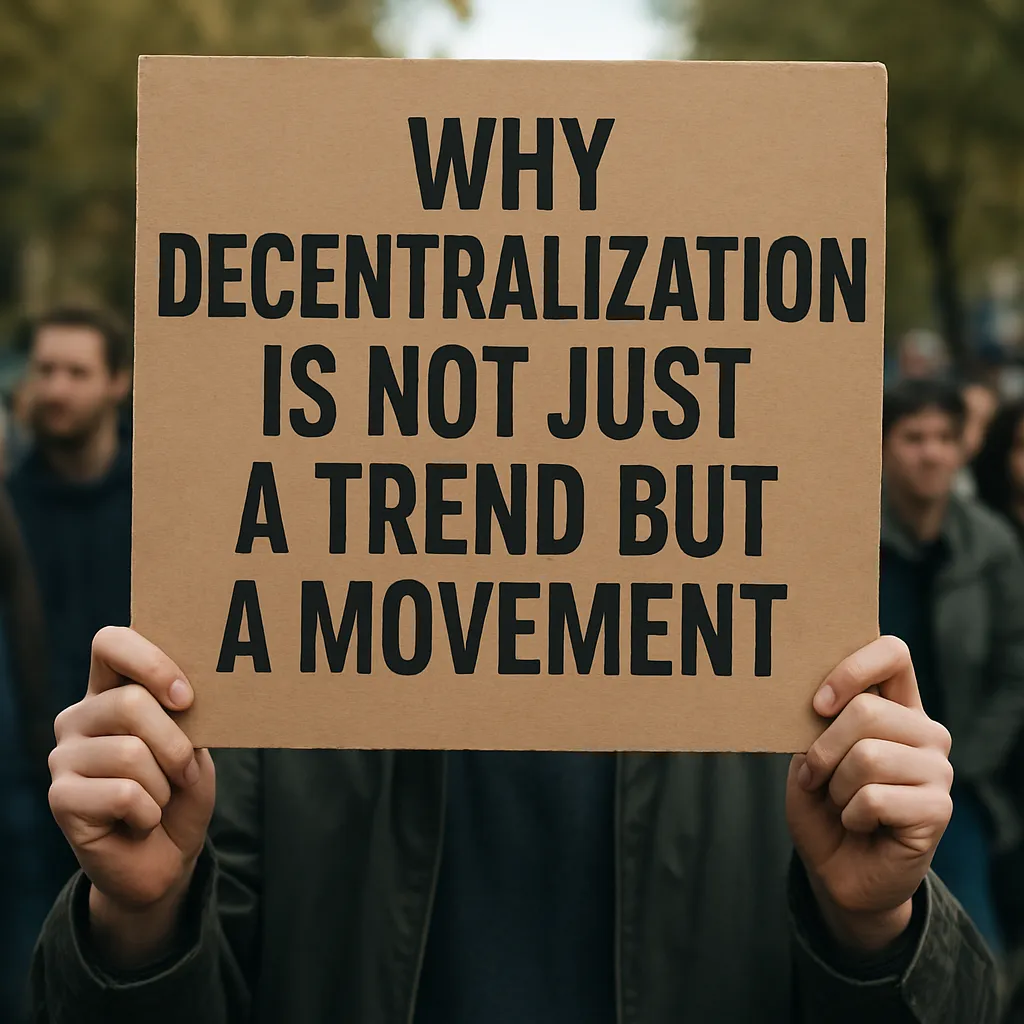
Cryptocurrency has evolved far beyond its initial conception as a niche digital experiment. Today, it represents a sweeping transformation of how value is created, stored, and exchanged in a fully connected world. This article dives into the multifaceted realm of digital assets, exploring the technological breakthroughs, real-world use cases, and the obstacles that lie ahead for this rapidly growing ecosystem.
The Rise of Digital Currency
The emergence of Bitcoin in 2009 marked the dawn of a new era defined by decentralization and peer-to-peer transfer of value. Instead of relying on banks or government institutions, individuals could transact directly, harnessing a global network of nodes to validate and record each exchange. Over time, a diverse array of digital currencies has surfaced, each offering unique features:
- Tokens representing assets from art to real estate
- Privacy-focused coins shielding transaction details
- Layer 2 solutions amplifying throughput and speed
Public interest in these new forms of money has sparked heated debates around monetary policy, regulatory frameworks, and the future role of central banks. Institutions now explore central bank digital currencies (CBDCs), while enterprises integrate payment rails that accept cryptocurrencies. This convergence of traditional finance and innovative digital paradigms underscores the profound societal impact of digital currency’s rise.
Core Technologies and Mechanisms
At the heart of every cryptocurrency lies a decentralized ledger commonly referred to as the blockchain. This distributed database is maintained by a network of participants, each storing a copy of the entire history of transactions. To secure this data and prevent tampering, consensus algorithms like Proof of Work (PoW) or Proof of Stake (PoS) dictate how new blocks are added.
Consensus Protocols
- Proof of Work: Miners solve complex puzzles to earn the right to append new blocks, ensuring high security at the cost of energy consumption.
- Proof of Stake: Validators lock tokens and are randomly selected to validate transactions, boosting scalability and energy efficiency.
- Delegated Proof of Stake and hybrid models aiming to balance throughput with decentralization.
Smart Contracts and Programmability
Platforms like Ethereum introduced smart contracts, self-executing code that triggers actions when predefined conditions are met. This innovation enables a broad spectrum of decentralized applications (dApps) from decentralized finance (DeFi) protocols to gaming. Key attributes include:
- Trustless execution without intermediaries
- Automated enforcement of agreements
- Composability, where different protocols interconnect seamlessly
Scalability challenges have given rise to Layer 2 networks, sidechains, and sharding techniques, all striving to boost transactions per second without compromising decentralization. Meanwhile, achieving cross-chain interoperability is critical for enabling assets to move freely between diverse blockchain ecosystems.
Applications Across Industries
Cryptocurrency and its underlying infrastructure extend well beyond mere stores of value. Enterprises, governments, and individuals leverage these tools for diverse initiatives:
Financial Services and Remittances
By utilizing digital assets, remittance services reduce transfer fees and accelerate settlement times across borders. Peer-to-peer lending, yield farming, and insurance pools operate via decentralized platforms, democratizing access to financial instruments and lowering barriers to entry.
Digital Art and Collectibles
The rise of non-fungible tokens (NFTs) has revolutionized how creators authenticate and monetize digital works. From artworks to virtual real estate, NFTs embed scarcity and provenance directly on-chain, empowering artists with new revenue streams.
Supply Chain and Provenance
Blockchain solutions track products from origin to consumer, enhancing transparency and trust. Industries spanning agriculture, pharmaceuticals, and luxury goods benefit from tamper-proof ledgers that verify authenticity and ethical sourcing.
Identity and Governance
Decentralized identity frameworks give individuals control over their personal data, reducing reliance on centralized databases susceptible to breaches. Additionally, on-chain governance models enable token holders to vote on protocol upgrades, shaping the evolution of networks in a bottom-up fashion.
Challenges and the Path Forward
Despite remarkable progress, the cryptocurrency ecosystem grapples with substantial obstacles:
- Regulatory uncertainty across jurisdictions, impacting adoption
- Environmental concerns tied to energy-intensive consensus mechanisms
- Security vulnerabilities exploited by hackers and bad actors
- Market volatility deterring conservative investors
Researchers and developers are actively pursuing solutions. Carbon-neutral consensus protocols address ecological concerns, while advanced cryptography—such as zero-knowledge proofs—enhances privacy without sacrificing auditability. Collaboration between regulators and industry stakeholders aims to craft balanced frameworks that foster innovation while safeguarding consumer interests.
As the ecosystem matures, focus shifts toward real-world integration, user experience, and financial inclusion. Emerging trends like decentralized autonomous organizations (DAOs) and tokenization of traditional assets point to a future where on-chain representations of value become commonplace, unlocking liquidity and redefining the nature of ownership.
The trajectory of cryptocurrency suggests an ongoing transformation of global finance and technology. By overcoming current roadblocks and harnessing the full potential of governance, interoperability, and robust security measures, the digital assets landscape stands poised to reshape economies and empower billions worldwide.