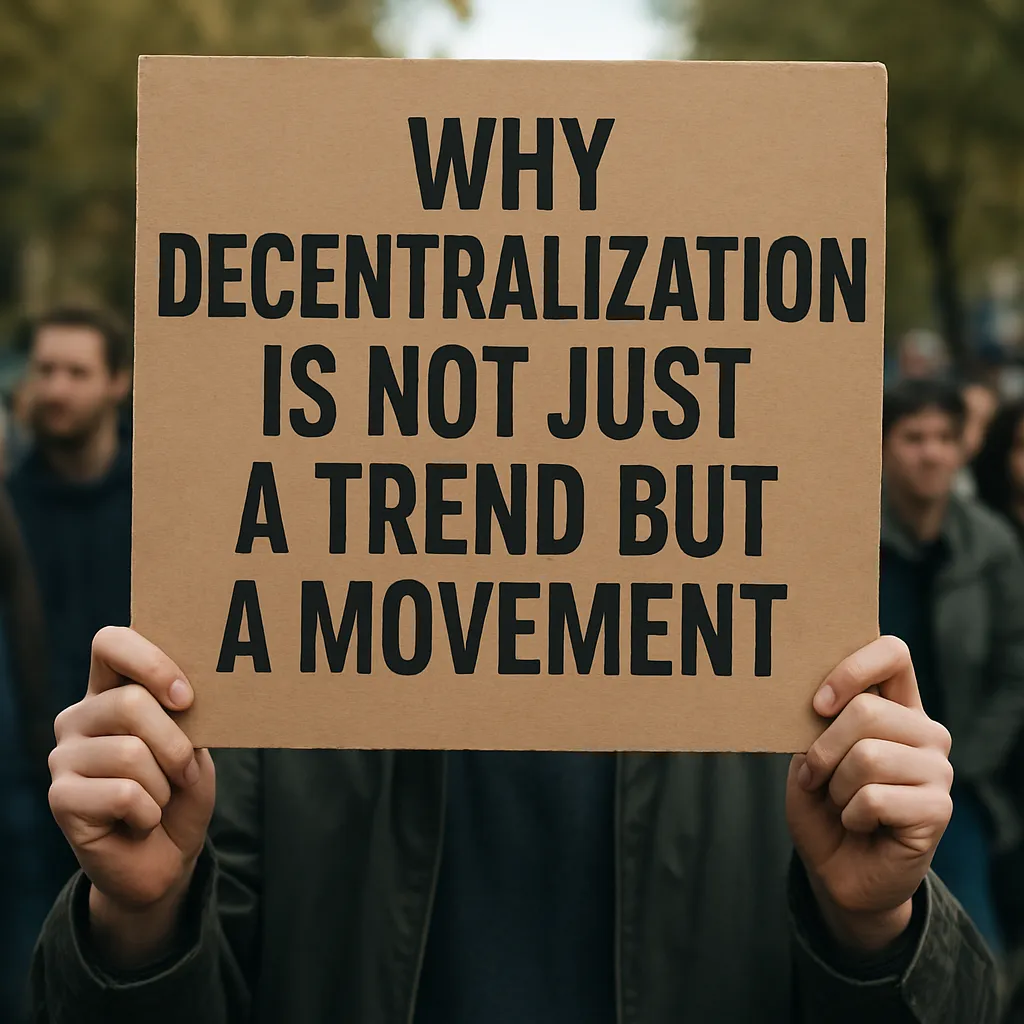
The world of digital assets has introduced a transformative era in finance, enabling peer-to-peer value exchange and redefining traditional economic models. As interest in digital currencies continues to grow, understanding the fundamental technologies and principles behind them becomes essential for both novice enthusiasts and seasoned investors. This guide will explore the pillars of modern digital finance, dissect how underlying systems function, and examine real-world applications that promise to shape our economic future.
Understanding the Basics of Cryptocurrency
Defining Digital Money
At its core, cryptocurrency represents a digital or virtual form of currency that leverages cryptographic techniques to secure and verify transactions. Unlike traditional fiat money issued by governments, these digital tokens exist on decentralized networks, granting participants direct control over their funds without relying on central authorities. Key characteristics include:
- Peer-to-Peer Transfers: Funds move directly between users without intermediaries.
- Global Accessibility: Anyone with an internet connection can participate.
- Immutable Records: Once recorded, data cannot be altered or deleted.
Cryptographic Security
Security in these systems hinges on advanced mathematical algorithms. Each transaction is signed using private keys and verified by network participants known as miners. They solve complex computational puzzles to add new data blocks to the chain, a process often referred to as proof-of-work. This method ensures that the ledger remains tamper-resistant and fosters trust among users who may not know one another.
Core Components of Blockchain Technology
Decentralized Ledger
The blockchain serves as a distributed database where every node holds a complete copy of the ledger. This redundancy eliminates single points of failure and enhances resilience against attacks or system failures. Key benefits include:
- Transparency: All network activity is visible to participants.
- Fault Tolerance: Loss of individual nodes does not compromise data integrity.
- Trustless Environment: No need for centralized authorities to validate data.
Consensus Mechanisms
To maintain uniformity across the network, blockchain systems deploy consensus protocols. While proof-of-work is the most recognized, alternative mechanisms like proof-of-stake, delegated proof-of-stake, and practical Byzantine fault tolerance have emerged to address concerns such as energy consumption and scalability. Each approach balances security, speed, and resource efficiency differently:
- Proof-of-Work (PoW): Requires computational effort, providing strong security at the cost of high energy use.
- Proof-of-Stake (PoS): Allocates validation power based on the amount of currency held, improving efficiency.
- Hybrid Models: Combine elements of PoW and PoS to optimize performance.
Data Structures and Blocks
Data is organized into blocks, each containing a batch of transactions, a timestamp, and a cryptographic reference to the previous block’s hash. This chaining technique ensures that any attempt to alter historical data would require recalculating all subsequent blocks—a nearly impossible feat given sufficient network size and distribution.
Practical Applications and Future Trends
Digital Wallets and Asset Management
User access to funds is mediated through digital wallets, which store private keys and facilitate transaction signing. Wallets come in various forms:
- Software Wallets: Installed on devices, offering convenience but potentially vulnerable to malware.
- Hardware Wallets: Dedicated devices designed to isolate private keys from online threats.
- Paper Wallets: Physical printouts of keys and address information, immune to digital hacking but prone to physical damage.
Smart Contracts and Programmable Finance
Beyond simple currency transfers, many blockchains support programmable agreements known as smart contracts. These self-executing protocols automatically enforce terms when predefined conditions are met. Use cases span from decentralized finance (DeFi) lending platforms and asset tokenization to supply chain tracking and real estate escrow services. Smart contracts reduce the need for intermediaries, cutting costs and speeding up processes.
Enterprise Integration
Corporations and governments are exploring private and consortium blockchains to improve transparency and efficiency in areas such as:
- Trade Finance: Streamlining letters of credit and cross-border settlements.
- Identity Management: Providing citizens with secure, verifiable digital IDs.
- Healthcare Records: Ensuring data integrity across multiple providers.
By restricting access to trusted participants, these networks can deliver tailored governance models while preserving some benefits of decentralization.
Challenges and Evolving Solutions
Despite tremendous promise, several hurdles remain. Key obstacles include:
- Regulatory Uncertainty: Diverse legal frameworks create fragmentation.
- Network Congestion: High usage can lead to slow confirmation times and elevated fees.
- Environmental Impact: Energy-intensive consensus methods raise sustainability concerns.
Industry innovators are addressing these issues through layer-2 scaling solutions, greener consensus algorithms, and clearer compliance standards, aiming to balance throughput with environmental responsibility and legal clarity.
Looking Ahead: Trends Shaping the Next Decade
Interoperability and Cross-Chain Communication
The future will likely see rising demand for seamless interactions between disparate networks. Projects focusing on cross-chain bridges, atomic swaps, and standardized protocols are unlocking new synergies, empowering users to move assets fluidly across ecosystems.
Central Bank Digital Currencies (CBDCs)
Several nations are piloting state-backed digital currencies to modernize payment systems and foster financial inclusion. While these CBDCs leverage some decentralization principles, they often maintain centralized oversight, striking a balance between innovation and regulatory control.
Decentralized Autonomous Organizations (DAOs)
Governance structures built on blockchain enable collective decision-making through token-weighted voting. DAOs provide a novel framework for managing shared resources, investment funds, and open-source projects without relying on traditional corporate hierarchies.
Enhanced Privacy Protocols
Privacy-centric solutions like zero-knowledge proofs and secure multi-party computation are advancing to protect user identity and transactional data while maintaining public verifiability. This evolution aims to reconcile transparency with confidentiality in sensitive applications.
Quantum Resistance
As quantum computing capabilities grow, developers are investigating cryptographic algorithms resistant to quantum attacks. Future-proofing blockchains against emerging threats will be crucial to sustaining long-term security and trust.
Sustainable Mining Practices
Renewable energy-powered mining operations and carbon offset initiatives are gaining traction among community stakeholders. By emphasizing environmental stewardship, the sector seeks to mitigate its ecological footprint while preserving robust validation processes.