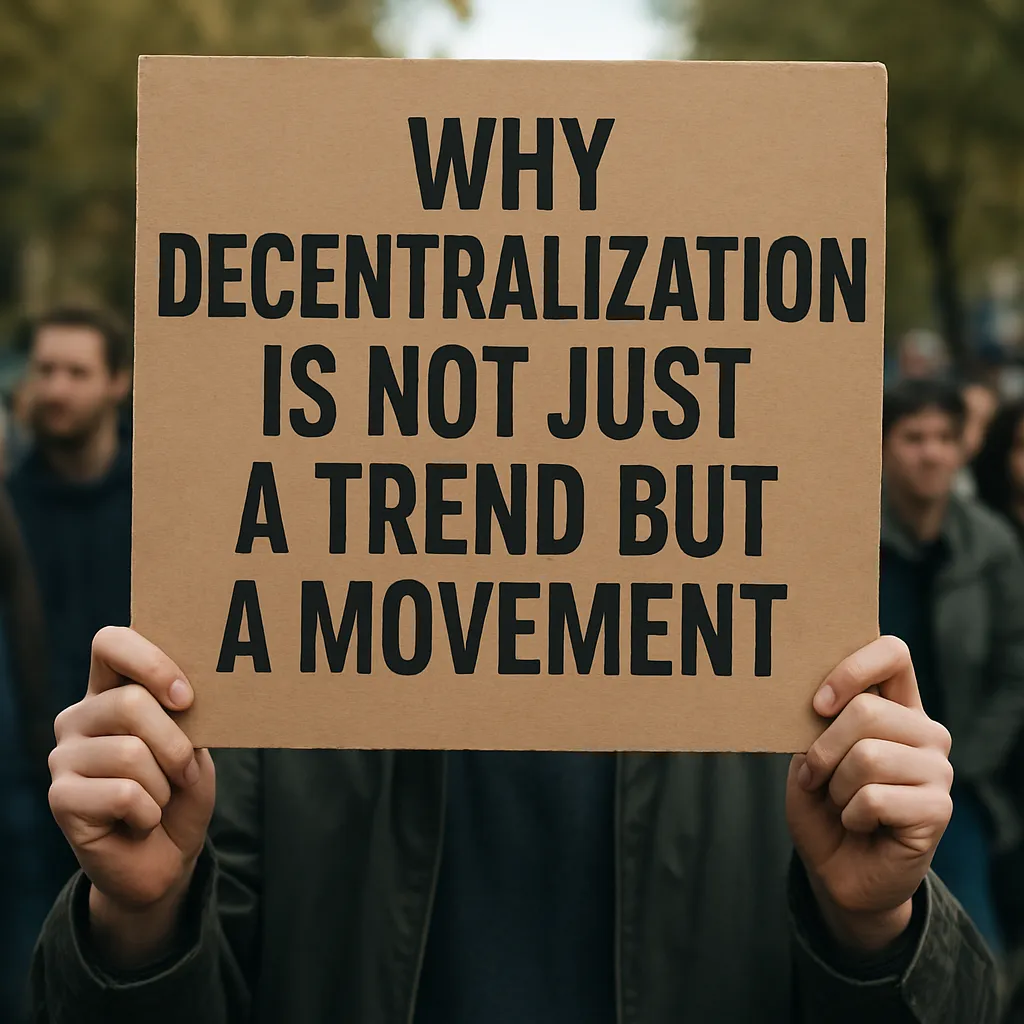
Cryptocurrency has emerged as a groundbreaking innovation, promising to reshape the landscape of finance by challenging traditional systems and offering novel opportunities for value exchange. As digital assets gain more prominence, the debate intensifies around whether the underlying technology can ever achieve true neutrality, free from human biases, ideological influences, and external pressures. This article explores the multifaceted dimensions of crypto neutrality, examining technical, social, and regulatory facets to understand if a genuinely neutral digital currency is attainable.
Understanding Neutrality in Cryptocurrency
The Concept of Neutrality
At its core, neutrality implies an absence of favoritism or hidden agendas. In the context of cryptocurrency, true neutrality would mean that no single entity, user group, or government can manipulate the system for its own benefit. To many enthusiasts, this vision rests on a combination of decentralization, immutability, and open-source code. Proponents argue that once code is deployed on a distributed network, it operates purely according to pre-defined rules, without human intervention.
Key Pillars: Decentralization, Transparency, Immutability
- Decentralization: By spreading control across multiple nodes, a network resists single points of failure and control.
- Transparency: Public ledgers enable anyone to audit transactions, reducing the risk of covert manipulation.
- Immutability: Once transactions are confirmed, altering the ledger becomes prohibitively expensive, ensuring data integrity.
These three pillars form the cornerstone of many blockchain projects and have fueled optimism that financial systems can be built without centralized authorities dictating terms.
The Ideological Undercurrents of Crypto
Political and Social Motivations
Despite its technical foundations, cryptocurrency is deeply entwined with political ideology. Libertarian and cypherpunk movements champion crypto as a vehicle for individual sovereignty and resistance to state control. Conversely, some governments see digital currencies as tools for surveillance and control, leading to conflicting agendas globally.
Such ideological undercurrents raise the question: can a technology birthed from political motivations ever be fully neutral? Even open-source projects reflect the philosophies of their contributors, and design choices—such as block size limits or consensus mechanisms—often stem from heated ideological debates.
Community Governance and Influence
Governance models vary widely across blockchain ecosystems. Some employ on-chain voting, where token holders decide on protocol upgrades, while others rely on core developer committees. In practice, governance often favors large stakeholders, leading to concerns about plutocratic influence. The rise of Decentralized Autonomous Organizations (DAOs) aims to democratize decision-making, but proposals can still be swayed by well-funded actors or coordinated voting blocs.
Technical Barriers to True Neutrality
Consensus Mechanism Trade-offs
Consensus algorithms like Proof of Work (PoW) and Proof of Stake (PoS) underpin most public blockchains. Each approach carries inherent trade-offs:
- PoW relies on computational power, which can centralize around regions with cheap energy and specialized hardware.
- PoS depends on capital concentration, as those with more tokens wield greater influence over block production.
Neither system is immune to concentration of power, challenging the myth of perfect neutrality. Emerging mechanisms, such as Proof of Authority or hybrid models, introduce further complexity and potential biases, often privileging known validators or consortium members.
Network Effects and Centralization Risks
Popular networks attract more users, validators, and developers, reinforcing their dominance. This phenomenon can lead to a handful of platforms controlling much of the ecosystem’s activity. Even when the code is open and accessible, network effects create de facto central hubs. New entrants struggle to compete, and users gravitate to established chains, inadvertently bolstering their centralized characteristics.
Regulatory and Governance Challenges
State Intervention and Compliance
Governments around the world adopt varied stances on cryptocurrency. Some embrace it, framing digital assets within existing financial regulations, while others impose outright bans. Regulatory measures—like Know Your Customer (KYC) and Anti-Money Laundering (AML) rules—inject centralized oversight into networks that originally aimed to sidestep such controls. Exchanges and custodial services often become the focal points of enforcement, diluting the notion of a fully neutral, permissionless system.
Global Coordination and Fragmentation
International cooperation on crypto regulation remains fragmented. Differing national policies create compliance burdens and drive innovation into more tolerant jurisdictions. This patchwork of rules undermines the idea of a borderless currency, as users navigate a maze of legal requirements. At the same time, the lack of global standards leaves room for illicit activities, prompting calls for more rigorous controls.
Ethical Considerations and Future Outlook
Balancing Privacy and Accountability
Privacy is a core selling point for many cryptocurrencies, enabling pseudonymous transactions. Yet, fully anonymous networks facilitate illicit uses, from money laundering to sanction evasion. Conversely, overly transparent systems risk exposing user data to malicious actors or repressive regimes. Striking the right balance demands nuanced design choices and potentially the integration of privacy-enhancing technologies like zero-knowledge proofs, which themselves introduce technical complexity and trust assumptions.
Accessibility and Inclusivity
For crypto to claim neutrality, it must be equally accessible to all. Challenges persist for individuals in regions with limited internet access or financial literacy. Technical barriers, such as complex wallet setups and private key management, deter mainstream adoption. Efforts to enhance accessibility through user-friendly interfaces, educational programs, and offline transaction solutions show promise but remain in early stages.
Paths Toward Greater Neutrality
While perfect neutrality may be unattainable, incremental progress is possible through:
- Open-source collaboration that encourages diverse participation and peer review.
- Decentralized governance frameworks that mitigate concentration risks and promote fair representation.
- Interoperability standards enabling seamless interaction between disparate networks, reducing single-chain dominance.
- Ethical guidelines and community codes of conduct fostering responsible development and deployment.
Ultimately, the quest for a neutral cryptocurrency hinges on ongoing innovation and collective vigilance. The interplay of technology, policy, and human behavior will shape the trajectory of digital money, testing the limits of what neutrality can truly mean in a complex world.