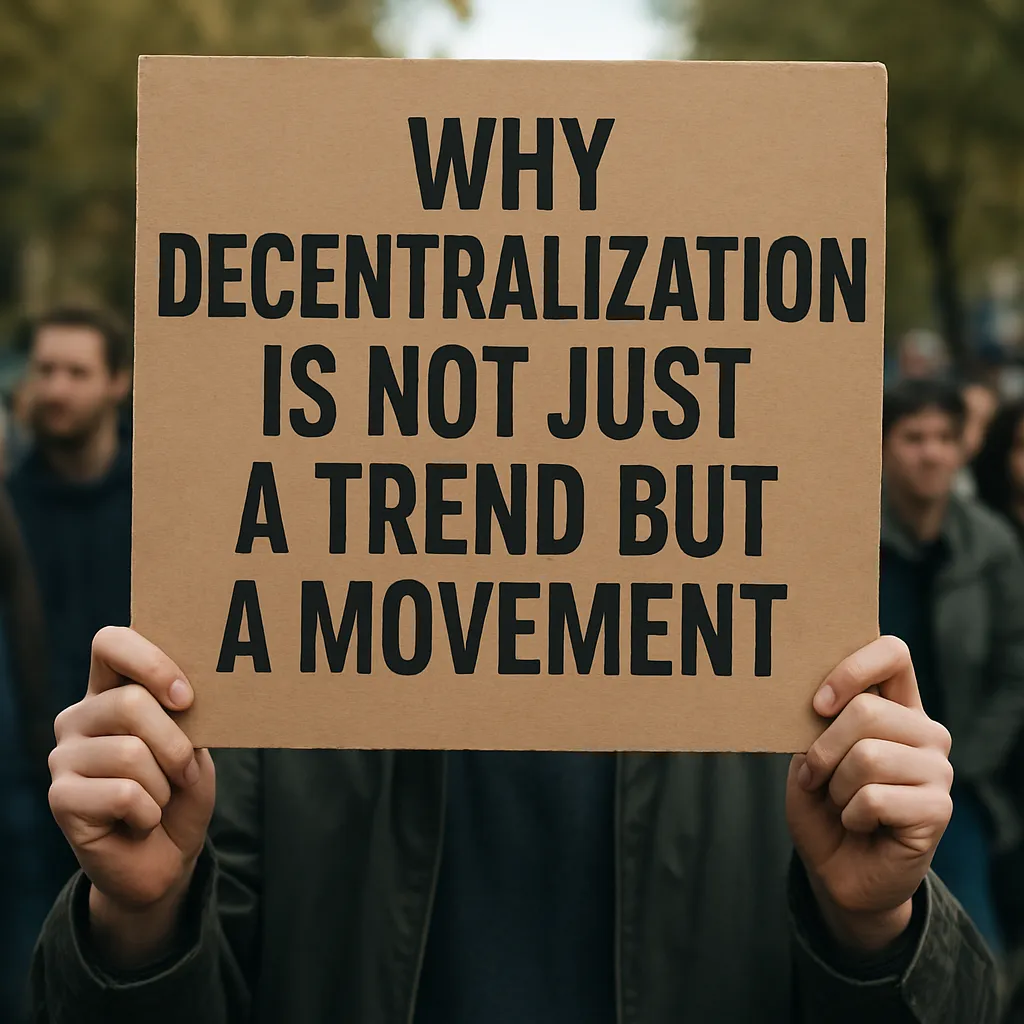
The emergence of blockchain technology has sparked intense debates about its potential to transform financial systems and address deep-seated economic disparities. While proponents champion the promise of decentralization and increased transparency, skeptics warn that without proper oversight, the rise of cryptocurrency could further entrench existing inequalities. This article explores how blockchain-based solutions might bridge gaps in financial inclusion, yet also examines the risks that could worsen the divide between the digitally empowered and the marginalized.
Blockchain and Economic Disparities
The concept of a distributed ledger, often referred to as Peer-to-Peer Network, lies at the heart of blockchain’s allure. By eliminating central authorities, it promises permissionless access to financial services across borders. In theory, anyone with an internet connection can participate in a cryptocurrency economy, sending and receiving funds without intermediaries. This model challenges traditional banking structures that often exclude underserved populations due to high fees or strict documentation requirements.
However, the reality is more complex. Early adopters of digital assets were largely tech-savvy individuals in developed markets. Wealth accumulation through trading or mining required substantial upfront investment in specialized hardware and energy costs. As a result, a small cohort of investors and large mining pools control a disproportionate share of mining rewards and voting power on certain blockchains. Consequently, the theoretical promise of equitable distribution clashes with the practical barriers that mirror conventional economic imbalances.
- High entry costs for mining equipment skew rewards toward established players.
- Regional disparities in electricity pricing or regulatory frameworks impact local participation.
- Lack of digital literacy leaves vulnerable populations excluded from the ecosystem.
Barriers to Adoption and Accessibility
Despite efforts to enhance accessibility, several challenges hinder widespread inclusion in the blockchain space. The complexity of securing private keys, navigating volatile markets, and understanding smart contract logic can intimidate novices. While mobile wallets and user-friendly interfaces aim to lower these hurdles, technical glitches and security breaches often undermine public trust.
In many regions, internet penetration remains insufficient for consistent use of blockchain services. Regulatory crackdowns or abrupt policy shifts can abruptly block exchanges or freeze accounts, eroding consumer confidence. Moreover, the environmental footprint of proof-of-work consensus mechanisms raises ethical concerns, especially in communities grappling with energy scarcity or high utility costs.
- Internet infrastructure gaps limit consistent participation in remote or rural areas.
- Complex key management exposes users to theft and irreversible loss of funds.
- Energy-intensive protocols may conflict with local sustainability goals.
The Role of Governance and Regulation
Effective governance frameworks are essential to ensuring blockchain technology serves as a tool for financial inclusion rather than exacerbating inequity. On-chain governance models allow token holders to vote on protocol upgrades, fee structures, and resource allocations. While this creates a sense of communal stewardship, it can also empower whales who hold massive token balances, skewing decisions toward profit-driven motives.
Regulatory bodies worldwide are racing to define legal parameters for digital assets. Clear compliance guidelines can foster innovation and protect consumers, yet overly stringent rules risk stifling new entrants. Balancing consumer protection with a flexible environment for experimentation remains a delicate exercise. Collaborative frameworks involving policymakers, technologists, and civil society can design inclusive policies that accommodate the needs of small-scale users and developers.
Key regulatory considerations:
- Classification of tokens as securities or commodities influences market behavior.
- Anti-Money Laundering (AML) and Know Your Customer (KYC) requirements drive centralization through compliant on-ramps.
- Taxation policies can either incentivize or deter small investors from participating.
Future Outlook: Solving or Exacerbating Inequality
For blockchain to become a force for equity, developers and stakeholders must prioritize solutions that address core inequalities. Layer 2 scaling approaches and energy-efficient consensus algorithms can reduce transaction costs and environmental strain. Educational initiatives aimed at digital literacy can empower underrepresented groups to engage confidently with decentralized finance. Partnering with non-governmental organizations may also unlock resources to deploy blockchain for humanitarian aid, microfinance, and transparent charitable distribution.
Nevertheless, without intentional design choices, the technology risks reinforcing the “rich-get-richer” dynamic. Automated yield farming strategies and algorithmic trading bots often require deep technical expertise, leaving casual users at a disadvantage. Volatility in cryptocurrency markets can result in steep losses for those ill-equipped to manage risk. Ultimately, the duality of blockchain lies in its capacity to either dismantle longstanding barriers or entrench power in the hands of a few.
The coming years will be pivotal as stakeholders determine whether blockchain emerges as a transformative instrument for leveling the economic playing field or an accelerant of digital division. By acknowledging and addressing systemic challenges, the community can steer innovation toward outcomes that uplift rather than marginalize the global population.