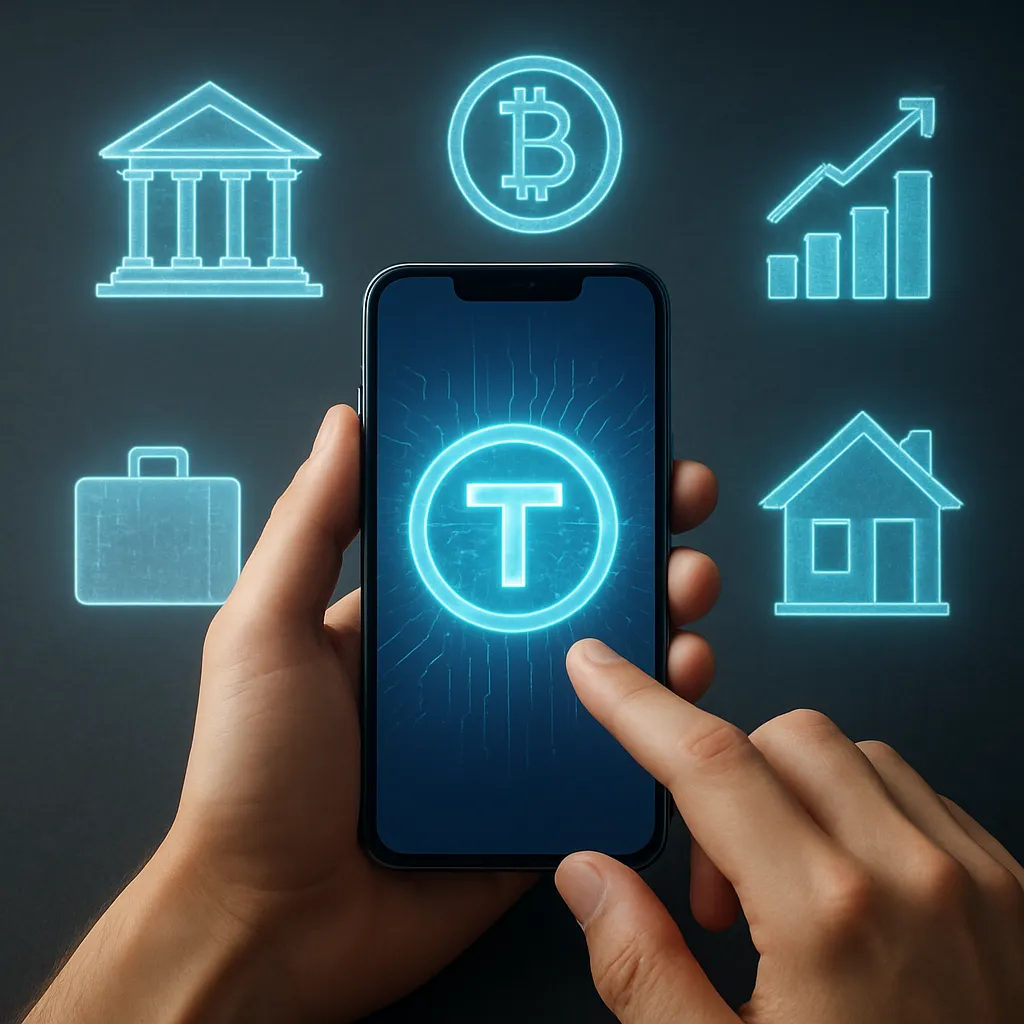
The convergence of digital ledgers and automated code has given rise to groundbreaking applications across various industries. Nowhere is this more evident than in the synergy between cryptocurrency ecosystems and modern insurance models. By leveraging blockchain technology, companies can achieve unprecedented levels of transparency, security, and automation. The following sections explore how decentralized networks, smart contracts, and asset tokenization are reshaping risk management, underwriting, and claims processing in the insurance sector.
Evolution of Cryptocurrency and Decentralized Systems
Foundations of the Digital Asset Revolution
At its core, cryptocurrency represents a shift away from centralized monetary authorities toward peer-to-peer value exchange. Immutable ledgers record every transaction, while consensus algorithms maintain network integrity without a single point of failure.
- Distributed Ledger: Data is concurrently stored across nodes, eliminating centralized vulnerabilities.
- Consensus Mechanisms: Proof-of-work, proof-of-stake, and emerging hybrid models secure network operations.
- Decentralized Finance: Also known as DeFi, it encompasses lending, borrowing, and trading directly on-chain.
Benefits for Insurance Applications
Traditional insurance often involves lengthy paperwork, manual verification, and opaque processes. By adopting a decentralized framework, insurers can reduce fraud, speed up settlements, and deliver real-time policy updates.
Smart Contracts Revolutionizing Insurance
Automated Underwriting and Claims Settlement
Smart contracts are self-executing agreements encoded on blockchain networks. Once predefined conditions are met—for instance, weather data triggering a payout for crop damage—funds can be disbursed automatically without human intervention.
- Parametric Insurance: Policies pay out based on objective parameters (e.g., rainfall metrics, flight delays).
- Trustless Execution: Eliminates the need for intermediaries, reducing operational costs.
- Immutable Records: Every contract interaction is permanently logged, enhancing auditability.
Risk Pooling and Capital Efficiency
Decentralized pools enable participants to collectively share risk. Liquidity providers can earn yield by staking assets in insurance vaults, while policyholders benefit from faster access to capital when incidents occur.
Tokenization of Assets and New Risk Models
Fractional Ownership and Liquidity
By converting physical or financial assets into digital tokens, insurers can diversify portfolios and improve capital allocation. Tokenized real estate, art, or commodities become tradable on secondary markets, unlocking liquidity for policy underwriting.
- Asset-Backed Tokens: Represent collateralized value, reducing counterparty risk.
- Programmable Payouts: Smart contracts can trigger disbursements tied to asset performance.
- Global Accessibility: Investors from different jurisdictions can participate, broadening risk pools.
Dynamic Risk Assessment
Integrating real-time data feeds, known as oracles, allows insurers to adjust premiums dynamically based on evolving risk factors—traffic congestion for auto policies, cyberthreat alerts for cybersecurity coverage, or health metrics for wellness programs.
Regulatory Compliance and Security Considerations
Balancing Innovation with Oversight
Regulators worldwide are grappling with how to apply existing frameworks to decentralized products. Ensuring compliance with KYC/AML rules, solvency requirements, and consumer protections is crucial for mainstream adoption.
- Licensing Models: Specialized charters for blockchain-based insurers to operate across regions.
- Data Privacy: GDPR-compliant implementations that safeguard personally identifiable information.
- Auditability: Third-party audits of smart contract code to prevent vulnerabilities.
Cybersecurity and Resilience
While distributed architectures are inherently resilient against single-point failures, smart contract exploits and oracle manipulations remain threats. Rigorous code reviews, penetration testing, and multi-signature governance can mitigate these risks.
Future Innovations and Trends in Decentralized Insurance
Interoperability and Ecosystem Connectivity
Different blockchains often operate in silos, limiting cross-chain value transfer. Emerging interoperability protocols aim to bridge networks, enabling insurers to tap into a broader spectrum of capital and data sources.
- Cross-Chain Bridges: Secure mechanisms for moving tokens between ecosystems.
- Unified Data Layers: Aggregators that deliver standardized information feeds.
- Collaborative Governance: Multi-stakeholder consortiums setting universal standards.
AI-Driven Underwriting and Claims Analytics
Combining artificial intelligence with blockchain yields powerful insights. Machine learning models can analyze claims patterns on-chain, flag anomalies, predict fraud attempts, and optimize premium pricing in real time, all while maintaining a decentralized ledger.
Embracing these advancements will not only redefine the mechanics of insurance but also cultivate a more inclusive, innovative landscape where individuals and businesses can manage risk with unparalleled efficiency.