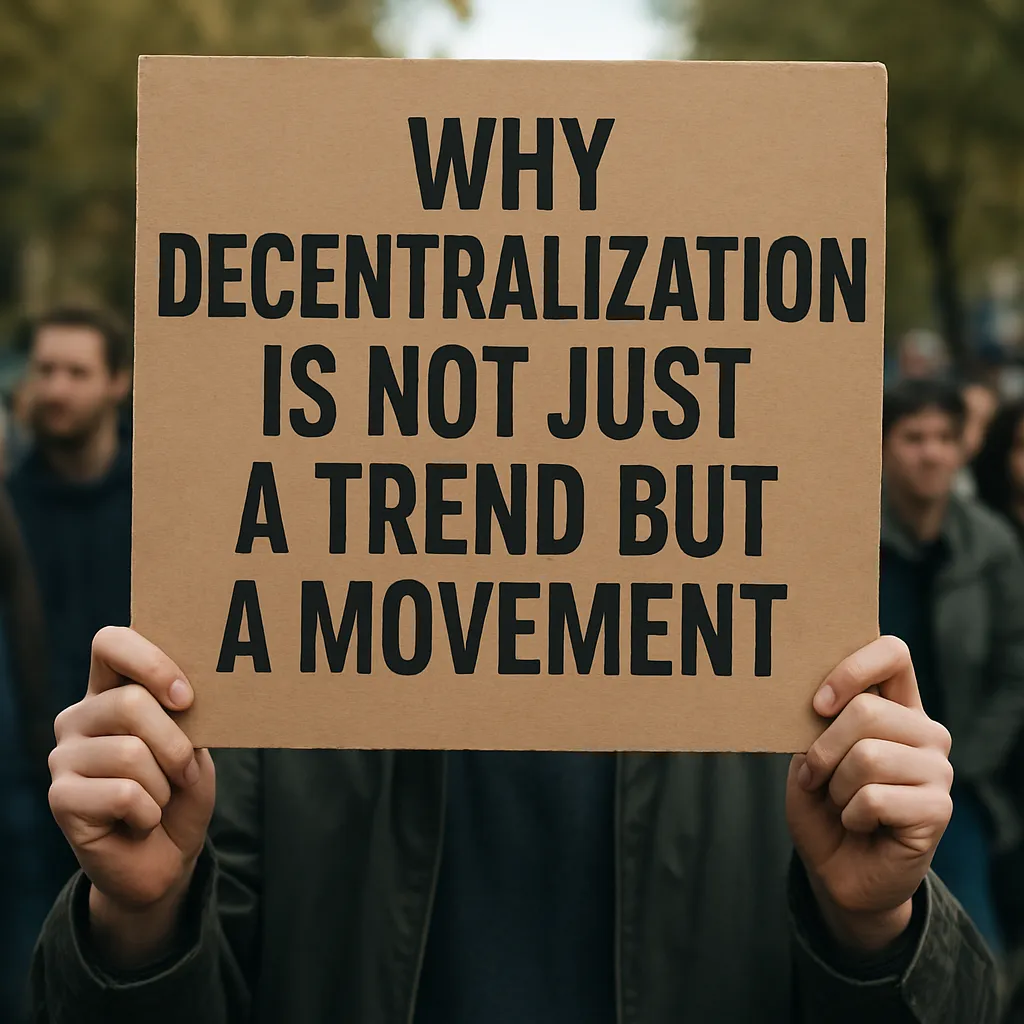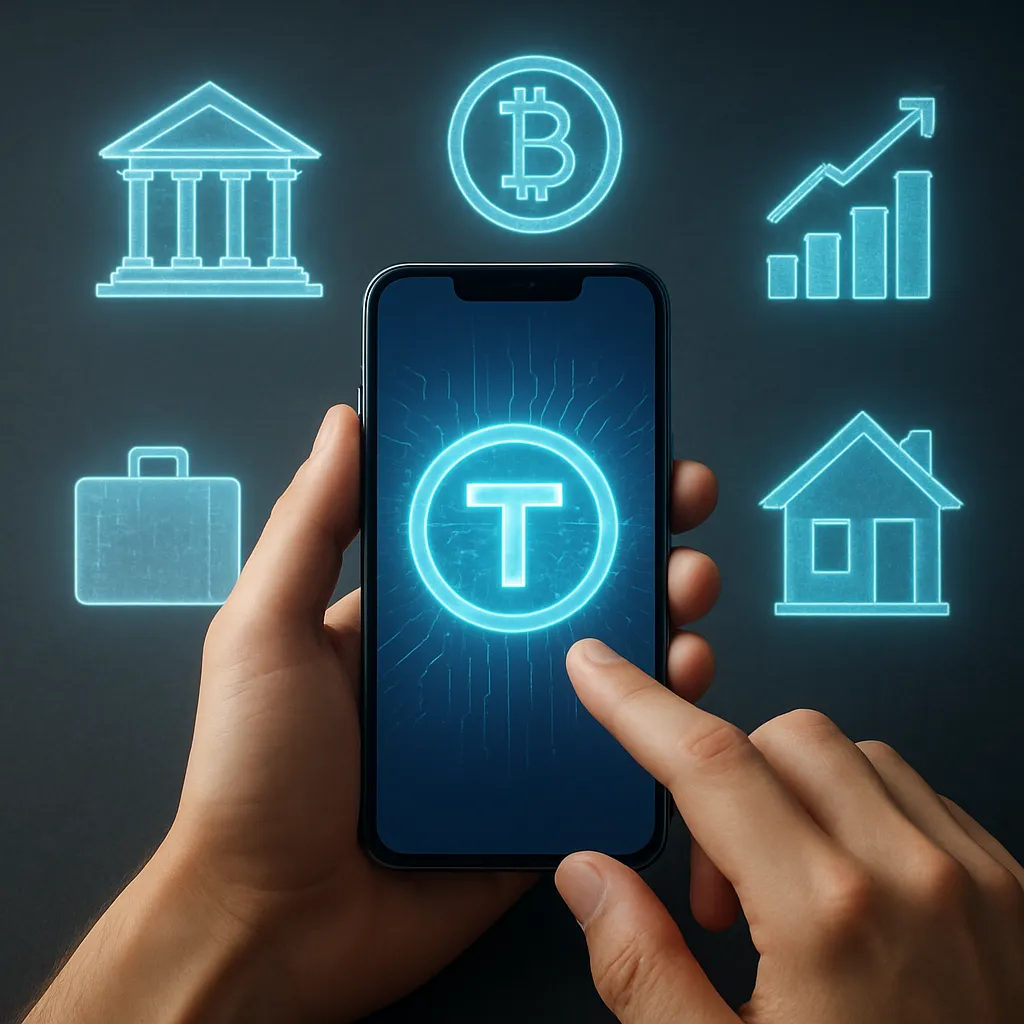
The rise of **cryptocurrency** has sparked a revolution in how value is created, transferred, and stored across digital networks. As innovators explore the contours of a fully decentralized internet, often referred to as Web3, they tap into groundbreaking protocols and novel economic models that promise to reshape finance, governance, and digital identity. This article delves into the underlying technologies, emerging applications, and persistent challenges tied to this evolution, illustrating how blockchain-based systems can deliver unprecedented **transparency** and user control.
Origins and Evolution of Digital Currency
The concept of digital money predates Bitcoin, which launched in 2009. Early experiments with electronic cash, such as DigiCash and e-gold, struggled due to central points of failure and trust issues. Bitcoin’s whitepaper introduced a **consensus mechanism** called Proof of Work, enabling peer-to-peer transactions without intermediaries. This innovation laid the foundation for modern **decentralization**, empowering individuals to validate and record transactions on a distributed ledger.
Since Bitcoin’s inception, thousands of alternative coins and tokens have emerged, each with unique features. Ethereum introduced **smart contracts**, programmable scripts that execute automatically when predefined conditions are met. This pivot from simple value transfer to programmable finance unlocked a vibrant ecosystem of decentralized applications (dApps), non-fungible tokens (NFTs), and decentralized finance (DeFi) protocols. The evolution continues as developers experiment with more energy-efficient consensus algorithms, such as Proof of Stake, and layer-2 scaling solutions that address growing network congestion.
Core Technologies Powering Web3
Blockchain and Distributed Ledgers
At the heart of every cryptocurrency network lies a **blockchain**, a chain of cryptographically linked blocks containing transaction records. Nodes across the network maintain copies of this ledger, ensuring data integrity and resisting censorship. By eliminating centralized authorities, these systems deliver unparalleled **transparency**, as anyone can audit the ledger’s history in real time.
Consensus Mechanisms
Consensus algorithms determine how network participants agree on the validity of transactions. While Proof of Work is battle-tested, it often faces criticism for high energy consumption. Alternatives like Proof of Stake, Delegated Proof of Stake, and Practical Byzantine Fault Tolerance aim to reduce environmental impact and improve throughput. Choosing the right consensus protocol involves balancing security, **scalability**, and decentralization—often referred to as the blockchain trilemma.
Smart Contracts and Programmable Finance
**Smart contracts** enable self-executing agreements without intermediaries. They underpin DeFi platforms that offer lending, borrowing, and token swaps, all governed by code. These contracts foster composability, where different protocols interconnect like building blocks, driving rapid innovation but also introducing complex interdependencies and potential systemic risks.
Interoperability and Cross-Chain Communication
Diverse blockchains often operate in isolation, limiting asset movement and data sharing. To overcome this fragmentation, projects are developing bridges and interoperability protocols that allow tokens and messages to flow across networks. Achieving seamless **interoperability** boosts liquidity and broadens the use cases for decentralized applications.
Real-World Applications and Adoption
- Decentralized Finance (DeFi): Lending platforms, yield farms, and decentralized exchanges (DEXs) provide financial services without traditional banks.
- Non-Fungible Tokens (NFTs): Digital art, collectibles, and gaming assets secured on-chain, offering proof of ownership and provenance.
- Supply Chain Management: Immutable tracking of goods and raw materials, reducing fraud and boosting accountability.
- Digital Identity: Self-sovereign identity systems granting users control over personal data and authentication.
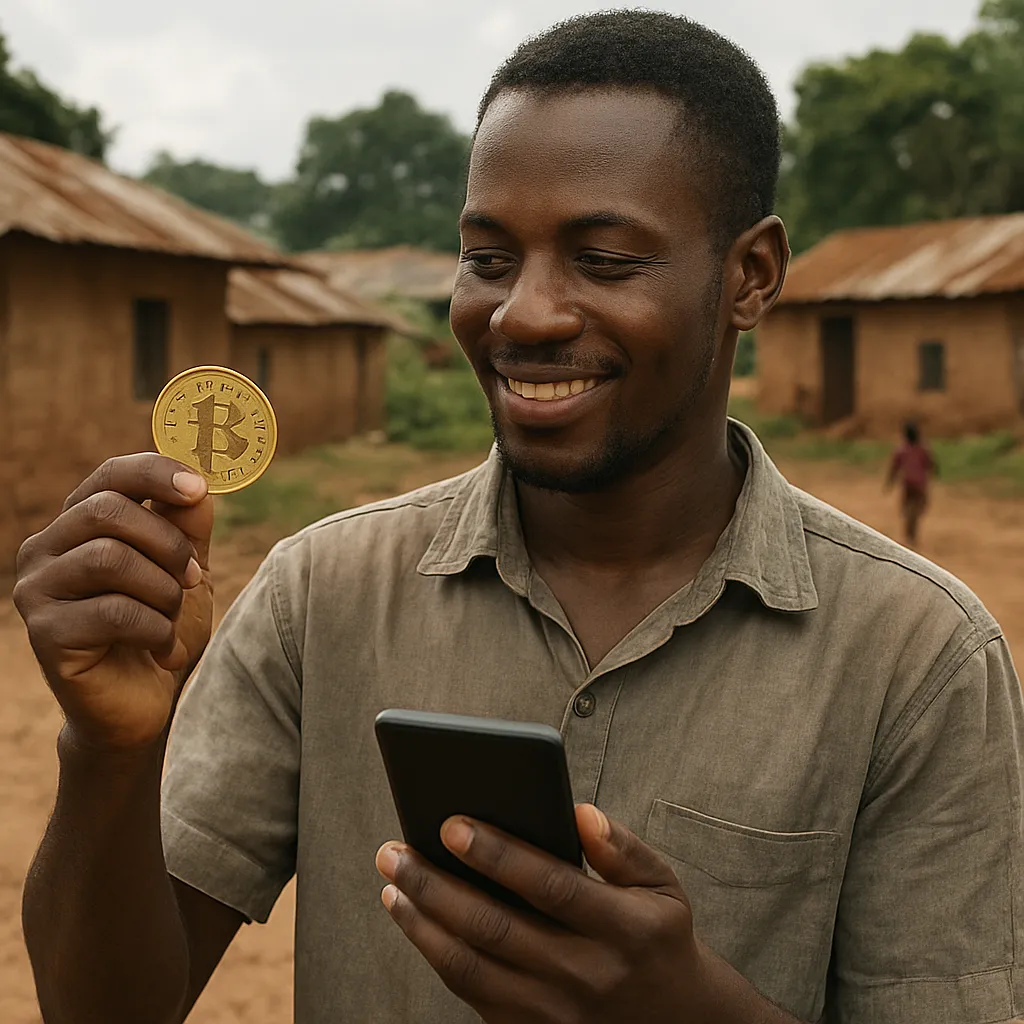
- Cross-Border Payments: Faster remittances with lower fees compared to legacy corridors, especially in underserved regions.
Major corporations, financial institutions, and even governments are exploring tokenization of real-world assets, from real estate to carbon credits. This shift toward digital representation can unlock new liquidity pools and democratize access to investment opportunities. Moreover, decentralized autonomous organizations (DAOs) are experimenting with novel governance models, enabling collective decision-making through token-based voting.
Regulatory and Security Challenges
Widespread adoption faces obstacles on both technical and regulatory fronts. High-profile hacks and smart contract exploits highlight the importance of rigorous security audits. Malicious actors have exploited vulnerabilities to steal millions of dollars worth of cryptocurrency, exposing the delicate balance between rapid innovation and robust safeguards.
Regulators worldwide are grappling with how to classify tokens—as securities, commodities, or currencies—and how to enforce anti-money laundering (AML) and know-your-customer (KYC) requirements without stifling innovation. Excessive oversight could hamper growth, while regulatory gaps leave consumers vulnerable to fraud. Striking a nuanced approach is crucial for fostering trust and protecting participants.
Privacy remains a pressing concern. Public blockchains excel in **transparency**, but they can also expose sensitive transaction patterns. Zero-knowledge proofs and privacy-focused coins strive to protect user data, yet they face scrutiny over potential misuse in illicit activities. Balancing user privacy with lawful surveillance demands sophisticated cryptographic tools and thoughtful policy design.
The Road Ahead for Decentralized Finance
The future of Web3 hinges on solving the blockchain trilemma—achieving high **scalability**, strong security, and genuine decentralization simultaneously. Layer-2 networks, sharding, and novel consensus models are converging to scale throughput without compromising trustlessness. As infrastructure matures, developers can focus on user experience, making wallets more intuitive and transaction costs more predictable.
Emerging areas such as decentralized oracles, which feed real-world data into smart contracts, will broaden the scope of programmable finance. Improved **governance** frameworks and on-chain dispute resolution mechanisms could reduce reliance on courts and centralized arbiters. Meanwhile, **token economics** will evolve to align incentives between network participants, ensuring sustainable growth and community engagement.
Ultimately, the promise of a fully decentralized internet lies in empowering individuals with greater control over their digital lives. From money and identities to content and social interactions, the shift toward Web3 may redefine trust and reshape the global digital economy in ways we are only beginning to imagine.