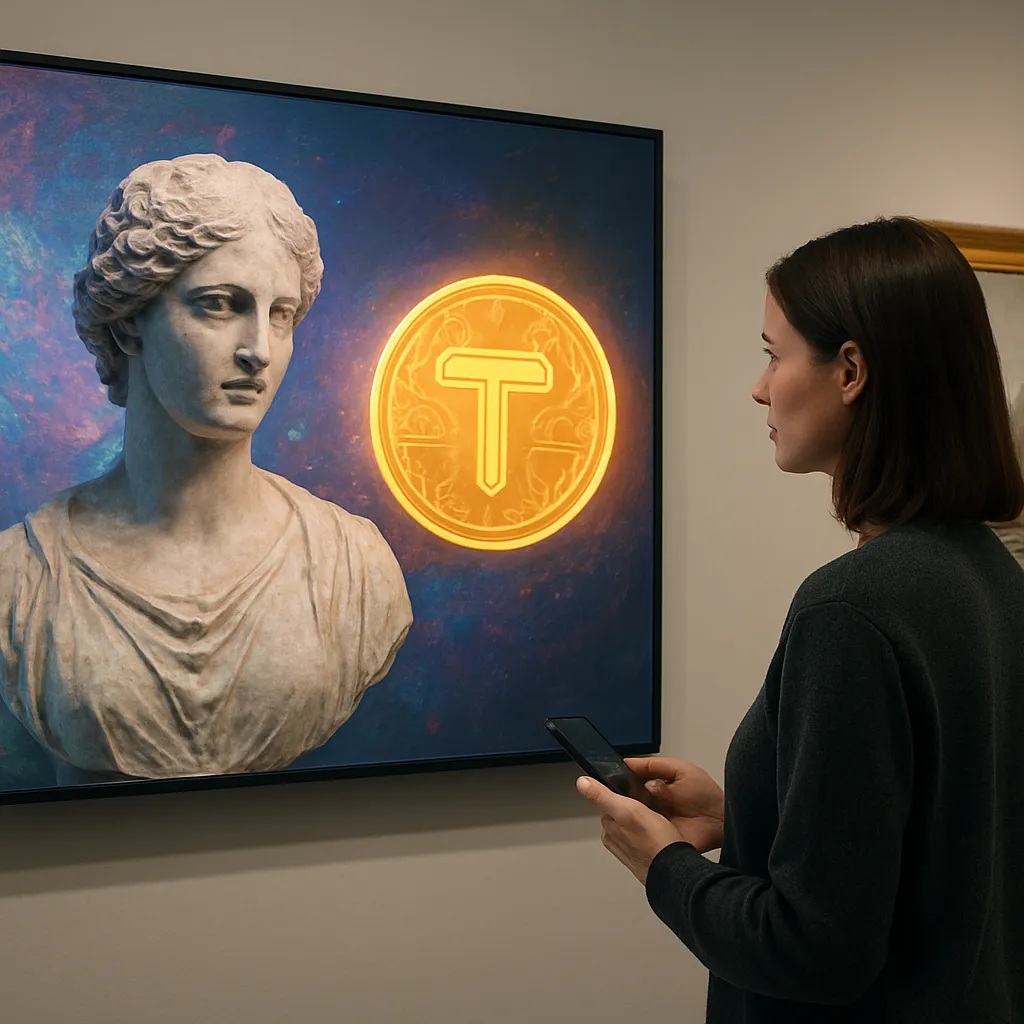
The intersection of digital technology and creative expression is rapidly reshaping how we engage with art and culture. As the world embraces a tokenized ecosystem, new opportunities emerge for artists, collectors, and audiences alike. From enhanced transparency to unprecedented revenue models, the marriage of cryptocurrency and the creative sphere promises to redefine the value and distribution of cultural assets.
Digital Transformation and Decentralization in Art
Artists have long sought alternative avenues to fund and distribute their work beyond traditional galleries and institutions. The advent of blockchain technology introduces a paradigm shift that places power back into the hands of creators. Immutable ledgers ensure that every transaction is recorded, verified, and transparent, dismantling gatekeepers and allowing direct interaction between artist and patron.
One of the most compelling aspects of this shift is the concept of decentralization. Rather than relying on centralized platforms or institutions, artists can publish work directly to a distributed network. Benefits include:
- Provenance: Immutable history of ownership and transactions enhances trust.
- Royalty automation via smart contracts that pay artists royalties on resales without intermediaries.
- Global reach at minimal cost, bypassing geographical limitations and distribution fees.
The implications are profound. Galleries and auction houses, while still relevant, must adapt or risk obsolescence. Smart contracts can embed licensing agreements directly into the token, ensuring compliance and continuity of revenue flow. Meanwhile, collectors gain assurance that their acquisitions are authentic and scarce.
NFTs and the New Creative Economy
Non-fungible tokens (NFTs) have emerged as a revolutionary force in the art world. By representing unique digital assets on the blockchain, NFTs allow for verifiable scarcity and ownership of everything from digital paintings to virtual real estate. Early adopters have demonstrated staggering sales figures, capturing headlines and fueling interest across industries.
Key Features of NFTs
- Uniqueness: Each token is one-of-a-kind, differentiated from fungible cryptocurrencies like Bitcoin.
- Programmable scarcity that can be tailored by the artist or creator.
- Interoperability across various marketplaces and platforms powered by standards like ERC-721 and ERC-1155.
Beyond static artwork, projects now incorporate dynamic, interactive, and generative elements. Musicians tokenize song royalties, gamers trade in-game assets, and writers launch limited-edition tokenized publications. These innovations create a robust ecosystem where creators can monetize intellectual property in diverse and customizable ways.
Community Building and Governance
Tokenization also fosters new forms of community engagement. Holders of a specific NFT collection may gain voting rights on creative direction, collaborative editions, or philanthropic initiatives. This form of decentralized governance empowers audiences to become stakeholders, blurring the lines between producer and consumer.
- DAO-based curation where token holders decide which artists to showcase.
- Profit-sharing models that distribute revenue among community contributors.
- Interactive exhibitions where digital avatars attend virtual galleries, forging a social experience in the metaverse.
Cultural Preservation and Global Accessibility
While the NFT craze often highlights flashy sales, a quieter revolution is underway in cultural preservation. Rare manuscripts, endangered art forms, and intangible heritage can be digitized and tokenized, creating a permanent, decentralized archive.
Imagine indigenous artworks safeguarded by communities, each token carrying embedded metadata about origin, tradition, and oral histories. Researchers and enthusiasts gain access to a rich tapestry of human creativity without risking damage to the physical artifact. This model promotes both accessibility and respect for cultural sovereignty.
Bridging the Digital Divide
Despite the promise of global reach, barriers remain. Technical literacy, internet access, and the environmental concerns of proof-of-work blockchains can hinder participation. Yet, solutions are rapidly evolving:
- Layer 2 scaling for lower fees and reduced energy consumption.
- Mobile-first wallets that require minimal data usage, bringing cryptocurrency tools to remote regions.
- Educational initiatives led by arts organizations to demystify tokens and wallets.
By prioritizing inclusivity, the tokenized cultural world can truly reflect diverse voices and traditions. Institutions partnering with local communities ensure that the integrity of cultural heritage remains intact while harnessing the benefits of modern technology.
Innovation in Creative Collaboration
Tokenization also transforms collaborative creation. Multi-artist projects spawn fractional ownership, where each contributor mints tokens representing their share. Collectors can invest in a portfolio of works, diversifying risk and amplifying exposure for emerging talents.
- Pooled royalties distributed automatically based on token holdings.
- Cross-disciplinary ventures combining visual art, music, and virtual reality.
- Real-time auctions and raffles that engage audiences in participatory funding and discovery.
Such frameworks encourage experimentation and democratize funding. Community-driven grants allocate tokens to proposals with the greatest potential impact, judged by token holders. This bottom-up approach complements traditional grant-making and invites a broader range of voices into the philanthropic process.
Challenges and Ethical Considerations
Despite the optimism, tokenization is not without challenges. Copyright disputes arise when digital works are minted without creator consent. The speculative nature of NFTs can overshadow artistic merit, leading to market bubbles and financial risk for uninformed participants.
Moreover, the environmental footprint of certain blockchains has drawn criticism. Although many networks are transitioning to proof-of-stake and other energy-efficient models, sustainable practices must be prioritized to ensure the longevity of this ecosystem.
Strategies for Responsible Growth
- Implement clear provenance verification and artist authentication protocols.
- Adopt renewable energy sources or carbon offset initiatives for blockchain operations.
- Develop regulatory frameworks that balance innovation with consumer protection.
By addressing these concerns proactively, the tokenized world of art and culture can mature responsibly, safeguarding both creators and collectors.
Outlook: A Tokenized Cultural Renaissance
The convergence of cryptocurrency and creative expression heralds a new cultural renaissance. With increased transparency, innovative revenue models, and global accessibility, artists and communities stand to benefit like never before. As technologies evolve and ecosystems mature, the possibilities for innovation are boundless.
Through mindful adoption and collaborative governance, the tokenized model promises to create a more equitable, inclusive, and vibrant cultural landscape. In this unfolding era, art is not just an object of admiration—it becomes a living, evolving network of value, shared across time and space.