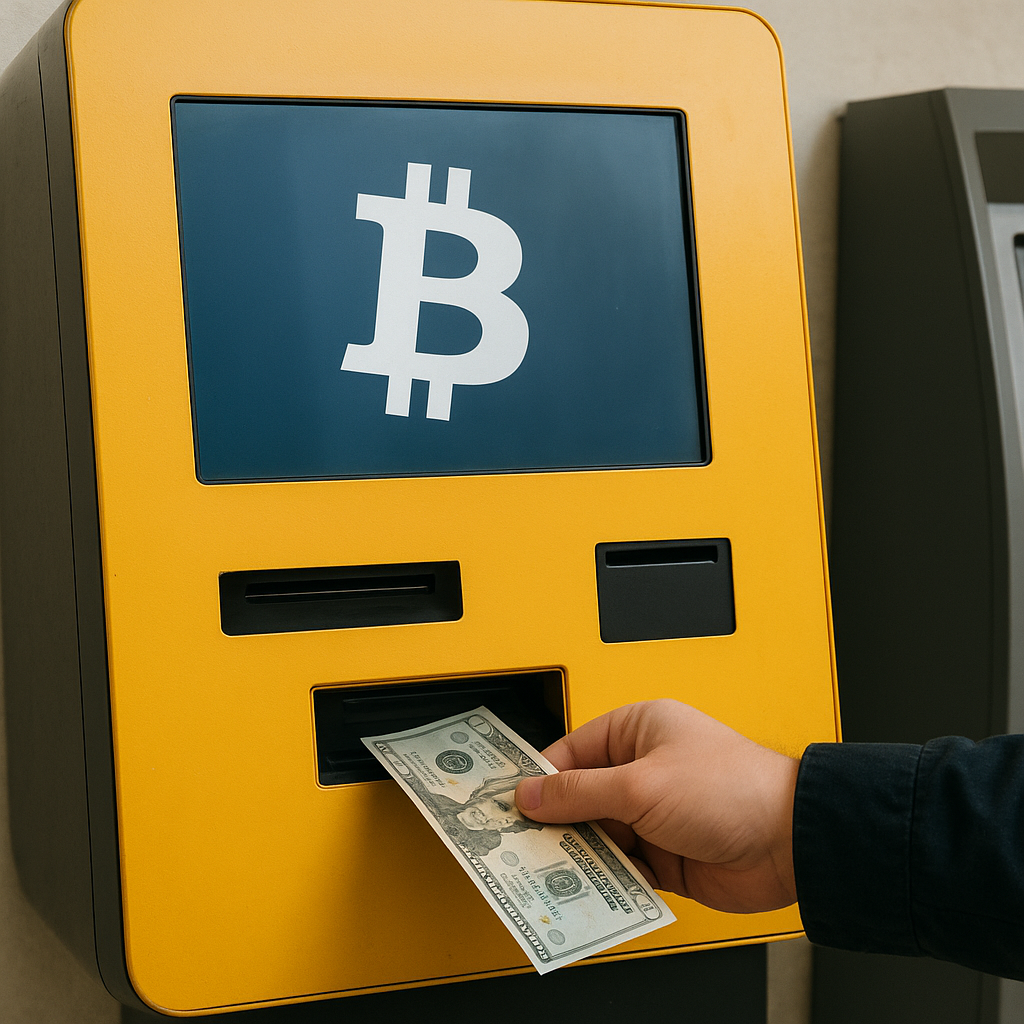
The advent of digital currencies has sparked a revolution in the realm of finance and technology. Blockchain-based assets continue to attract global attention with promises of financial inclusion, enhanced security, and groundbreaking applications in various industries. This article delves into the journey of Bitcoin, the enigma of Satoshi Nakamoto, the underlying technologies that power cryptocurrencies, and the obstacles these systems face as they mature.
Origins of Bitcoin and the Birth of Cryptocurrency
The concept of a borderless, digital form of money was first explored in the late 20th century. Early attempts, such as DigiCash and e-gold, laid the groundwork but suffered from centralization issues and regulatory crackdowns. In 2008, an individual or group under the pseudonym Satoshi Nakamoto published a whitepaper describing Bitcoin: a peer-to-peer electronic cash system that eliminated the need for a central authority. This proposal introduced several innovations:
- Blockchain ledger to record transactions in immutable blocks
- A Proof-of-Work consensus mechanism to secure the network
- Decentralization that distributes validation among numerous nodes
- Fixed supply cap of 21 million BTC to prevent inflationary printing
The launch of the Bitcoin network in January 2009 marked the birth of the first true cryptocurrency. Early adopters mined coins with their home computers, and the famous first transaction—10,000 BTC for two pizzas—demonstrated real-world utility despite its modest scale.
Satoshi Nakamoto: The Mysterious Architect
To this day, the identity of the person or team behind the Satoshi Nakamoto alias remains one of the greatest mysteries in modern technology. Several theories have emerged:
- It was a lone cryptographer from Japan
- A collective of cypherpunks spread across multiple countries
- A front for a government entity experimenting with encryption and economic strategy
Regardless of the true author, Nakamoto’s work demonstrated unparalleled foresight. Key aspects of their vision included:
- The elimination of double-spending without trusted intermediaries
- A reward system to incentivize early network participation
- An open-source philosophy encouraging global collaboration
Since disappearing from public view in 2011, Satoshi’s digital footprints have been scant. Communications ceased, leaving core development to a decentralized community of developers. The mythos surrounding the identity fuels endless speculation, but the network’s resilience speaks louder than any single contributor.
Core Technologies Driving Digital Currencies
Bitcoin’s success inspired thousands of alternative projects—collectively known as cryptocurrencies. While they vary in design, most share several foundational components:
Decentralized Ledger
A distributed ledger ensures that every participant holds a synchronized copy of transaction history. This design enhances transparency and resists censorship.
Consensus Mechanisms
Popular algorithms include Proof-of-Work (PoW) and Proof-of-Stake (PoS). PoW relies on computational effort, while PoS assigns validation rights based on held tokens, offering greater scalability and lower energy consumption.
Cryptographic Security
Advanced encryption techniques protect user funds and ensure transaction integrity. Public-private key pairs grant users exclusive access to their wallets without centralized holding of private credentials.
Major Themes and Trends in the Crypto Space
Beyond simple transfers of value, blockchain ecosystems are exploring new frontiers:
- Decentralized Finance (DeFi): Platforms offering lending, borrowing, and trading without traditional banks
- Non-Fungible Tokens (NFTs): Unique digital assets representing art, collectibles, and virtual real estate
- Smart Contracts: Self-executing code enabling automated agreements and decentralized applications
- Cross-Chain Bridges: Tools for interoperability among disparate blockchain networks
These innovations underscore the versatility of distributed ledger technology. Yet each advancement raises questions about security, user experience, and long-term viability.
Challenges and Regulatory Landscape
Cryptocurrency projects face a range of obstacles as they seek mainstream acceptance:
- Regulatory Uncertainty: Jurisdictions differ on classification—securities, commodities, or currencies
- Market Volatility: Rapid price swings undermine stability for everyday transactions
- Security Risks: Hacks, scams, and phishing attacks threaten user privacy and capital
- Environmental Impact: High energy consumption in PoW networks sparks sustainability concerns
Governments and financial institutions are gradually crafting frameworks to address these issues. Some embrace the potential of blockchain, piloting central bank digital currencies (CBDCs) to modernize payment systems while maintaining oversight. Others impose strict regulations or outright bans to safeguard consumers and preserve monetary sovereignty.
Future Prospects and Innovations
The next decade promises further evolution of digital asset technology. Key areas of focus include:
- Layer 2 Scaling Solutions: Off-chain methods to increase transaction throughput and reduce fees
- Interoperability Standards: Protocols enabling seamless value transfer across networks
- Privacy Enhancements: Zero-knowledge proofs and ring signatures to balance transparency with confidentiality
- Institutional Adoption: Integration of cryptocurrency custody services and tokenized securities on blockchain
Ongoing research aims to solve the trilemma of security, decentralization, and scalability. Innovations such as sharding, sidechains, and novel consensus models could unlock unprecedented levels of performance. As the ecosystem matures, partnerships between tech firms, regulators, and academia will shape a globally interoperable financial system built on trustless principles.
Concluding Thoughts on Fact or Fiction
While the legend of Satoshi Nakamoto fuels debate, the tangible impact of Bitcoin and its successors is undeniable. The movement has catalyzed a profound rethinking of money, governance, and digital sovereignty. Whether regarded as an utopian experiment or the forefront of a financial revolution, cryptocurrency continues to chart new territories in the digital age.