Cryptocurrency markets have revolutionized the way investors interact with digital assets, offering unprecedented opportunities alongside unique risks. Among these dangers, pump-and-dump schemes stand out as a **malicious** tactic aimed at exploiting unwary traders. By learning to recognize patterns of **market manipulation**, individuals can protect their portfolios and make more **informed** decisions.
Understanding the Mechanics of Pump-and-Dump Schemes
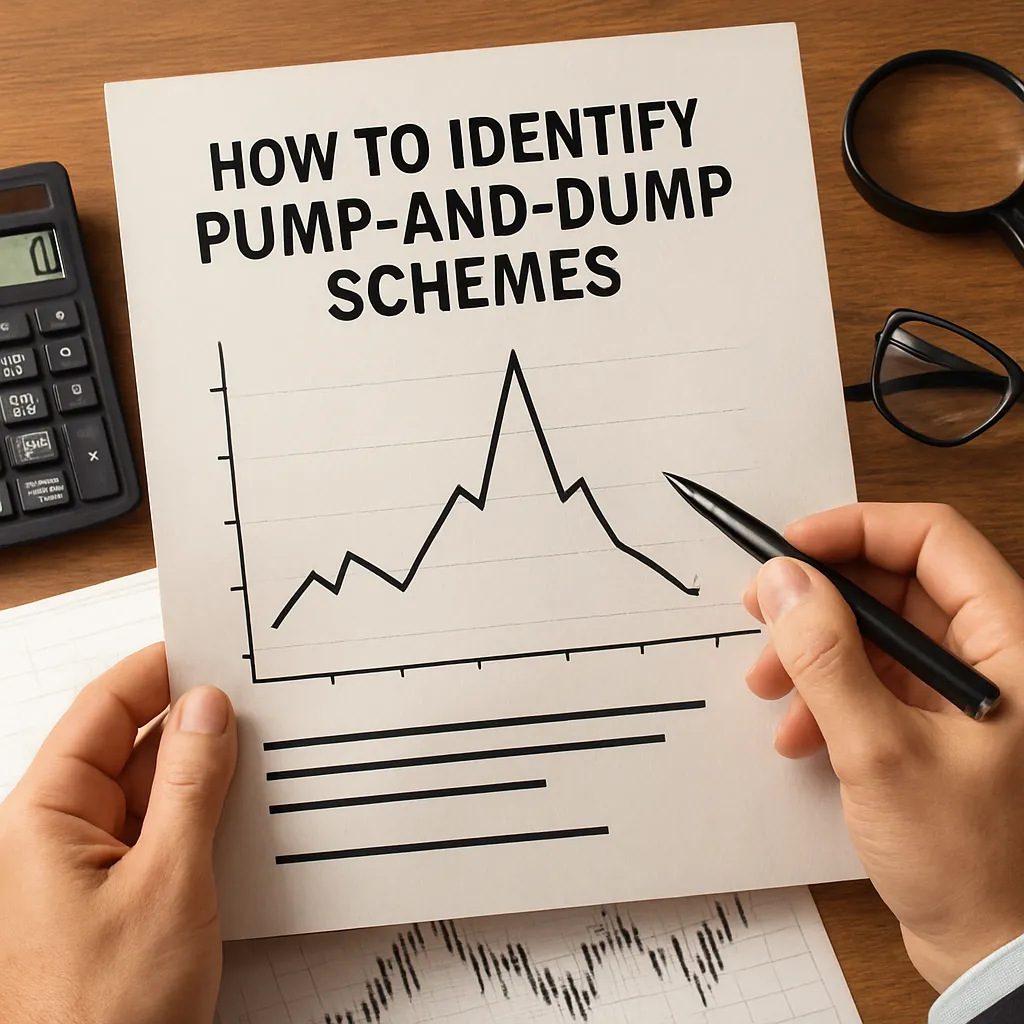
Pump-and-dump schemes rely on artificially inflating the price of a low-market-cap digital coin before orchestrators sell off their holdings at a profit. Once the orchestrators “dump” their positions, the price collapses, leaving latecomers with steep losses. Key participants often include:
- Whale investors who hold large positions and can manipulate price with significant buy orders.
- Organized groups on social media channels or private chats with the intent to coordinate buying activity.
- Automated trading bots programmed to accelerate the price surge during the “pump” phase.
These **coordinated** efforts exploit the inherent **volatility** of cryptocurrency markets. Unlike traditional exchanges, many crypto platforms offer limited oversight, making it easier for schemers to exploit low **liquidity** assets. Recognizing the early stages of a pump can mean the difference between protecting capital and suffering heavy losses.
Identifying Key Red Flags
Vigilant investors focus on a combination of quantitative metrics and community signals. Some of the most revealing indicators include:
- Sudden spike in trading volume on obscure tokens without any substantial news or partnerships.
- Unusual price movements accompanied by aggressive social media promotions on Telegram, Discord, or Twitter.
- High-frequency small trades creating the illusion of genuine buying pressure.
- Announcements of “insider information” or exclusive tips that promise guaranteed returns.
- Rapidly emerging new wallet addresses accumulating massive token amounts over short periods.
Tools like on-chain explorers can reveal large transfers to exchange addresses, signaling a potential exit strategy by insiders. Additionally, monitoring community sentiment using sentiment analysis platforms can detect abnormal hype cycles before the dump phase begins.
Practical Tools and Strategies for Due Diligence
Effective risk management combines the use of sophisticated monitoring software with time-tested investment principles. Below are recommended practices:
- Utilize **real-time alerts** for volume surges through specialized platforms such as CoinMarketCap or CoinGecko.
- Leverage blockchain analytics services to trace token movements and identify large holders.
- Conduct thorough research on token **utility**, development team credentials, and existing partnerships.
- Set predefined stop-loss orders and adhere strictly to your risk tolerance criteria.
- Prefer projects with transparent governance models and on-chain audit records.
By combining **technical analysis** with fundamental research, traders can distinguish between legitimate price accelerations and suspicious pump operations. Remember that solid projects often exhibit gradual, steady growth rather than sudden, unexplained rallies.
Best Practices and Regulatory Perspectives
While self-protection is crucial, understanding the broader legal environment can also reduce exposure to manipulative schemes:
- Stay updated on global **regulatory** developments through official communications from bodies like the Securities and Exchange Commission (SEC) and the Financial Conduct Authority (FCA).
- Report suspicious activities to exchange compliance teams and relevant authorities to aid in investigations.
- Engage with decentralized finance (DeFi) protocols that incorporate anti-manipulation mechanisms or decentralized governance.
- Support initiatives promoting on-chain transparency, including open-source smart contracts and auditable tokenomics.
- Join reputable crypto communities focused on ethical trading and share information on emerging threats.
Regulators are increasingly targeting fraudulent schemes by collaborating with blockchain intelligence firms, freezing ill-gotten assets, and imposing hefty fines on offenders. As this **ecosystem** matures, the intersection of self-regulation, community vigilance, and formal oversight will shape a safer trading environment.