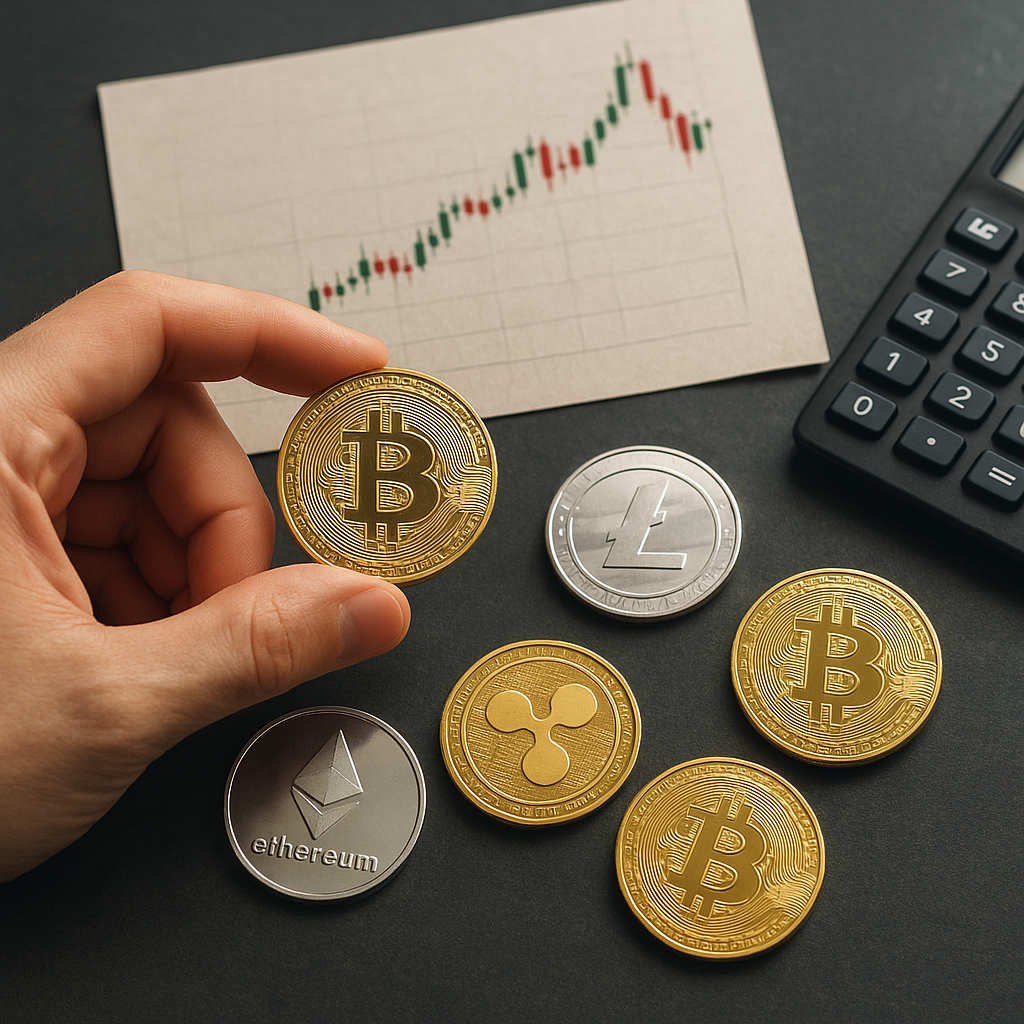
Cryptocurrency investing has evolved into a sophisticated arena where enthusiasts and professionals alike seek optimal ways to grow their wealth. By emphasizing diversification, investors can balance potential rewards against inherent risks. This article explores the dynamics of digital asset markets, outlines practical methods to build a resilient portfolio, and presents tools to monitor performance effectively.
Understanding Market Dynamics and Volatility
Digital assets operate within a constantly shifting environment characterized by rapidly changing prices, regulatory updates, and innovative technological developments. The intersection of these factors creates a highly volatile marketplace where asset values can soar or plummet within hours. Grasping the root causes of such fluctuations is essential for sound risk management.
Key Drivers of Crypto Volatility
- Market Sentiment: Investor emotions and media coverage often trigger sudden spikes or drops in value.
- Regulatory Changes: Announcements by governments or financial authorities can provoke widespread reactions.
- Technological Upgrades: Network forks, protocol adjustments, or major software releases may influence supply and demand dynamics.
With over 10,000 active cryptocurrencies available, each operates under unique fundamentals. Blue-chip coins like Bitcoin and Ethereum tend to maintain relatively stable market shares. In contrast, smaller altcoins can exhibit extreme price swings. Recognizing the behavior patterns of different asset classes is crucial when constructing a balanced investment strategy.
Strategies for Effective Diversification
Creating a resilient portfolio involves spreading capital across multiple asset categories. By avoiding concentration in a single coin or token, investors reduce the impact of adverse events on their overall holdings.
Asset Allocation Principles
Determining the right allocation mix depends on risk tolerance, investment horizon, and market outlook. Common frameworks include:
- Core-Satellite Approach: Allocate 60–70% to established assets like Bitcoin and Ethereum, and 30–40% to emerging projects.
- Equal-Weight Strategy: Distribute capital evenly across a selected set of digital assets to avoid overexposure to any single coin.
- Risk-Weighted Model: Assign higher weights to coins with lower historical volatility and gradually adjust based on ongoing performance.
Incorporating Stablecoins and Alternative Assets
To shield against market downturns, savvy investors often use stablecoins as temporary parking spots for liquidity. Assets such as USDT, USDC, and DAI provide near-zero volatility, enabling quick redeployment when opportunities arise. Additionally, exposure to decentralized finance (DeFi) projects and non-fungible tokens (NFTs) can offer growth potential beyond traditional token holdings.
- DeFi Lending and Staking: Earn passive income by locking assets into protocols that distribute rewards.
- NFT Marketplaces: Invest selectively in digital art or collectibles with strong community backing.
- Blockchain Infrastructure: Consider tokens that support network growth, such as those powering layer-2 solutions.
Tools and Techniques for Portfolio Monitoring
Regular review and adjustment are vital to ensure the portfolio remains aligned with changing market conditions and personal goals. Leveraging specialized platforms helps streamline the tracking process and enhances decision-making.
Automated Tracking and Alerts
Portfolio trackers provide real-time updates on asset values, allocation percentages, and profit-and-loss statements. Features to look for include:
- Multi-Exchange Integration: Sync wallets and exchange accounts to view consolidated holdings.
- Custom Alerts: Set price thresholds, market cap changes, or volume spikes to receive instant notifications.
- Historical Analytics: Examine performance trends over weeks or months to identify adjustments needed for improved asset allocation.
Rebalancing and Tax Considerations
Periodic rebalancing keeps allocation targets in check by selling or buying assets to restore original percentages. This disciplined approach can:
- Lock in gains from outperforming coins.
- Reinvest in undervalued tokens that fall below target weights.
- Manage portfolio risk by preventing any single coin from dominating holdings.
Additionally, crypto transactions often trigger taxable events. Employing a crypto tax calculator simplifies compliance by generating detailed reports on capital gains and losses across various jurisdictions.
Staying Informed and Adapting
Continuous education is pivotal for success in this fast-paced domain. Follow these best practices:
- Subscribe to reputable newsletters covering market analysis, emerging trends, and regulatory updates.
- Participate in online communities, such as dedicated forums and social media groups, to gauge sentiment and exchange insights.
- Attend virtual or in-person conferences to hear from leading developers and thought leaders in the blockchain space.
By combining structured risk management processes with proactive research, investors can navigate the complexities of crypto markets more confidently. Emphasizing diversification not only mitigates downside risks but also positions portfolios to capture growth opportunities across multiple segments of the digital finance ecosystem.