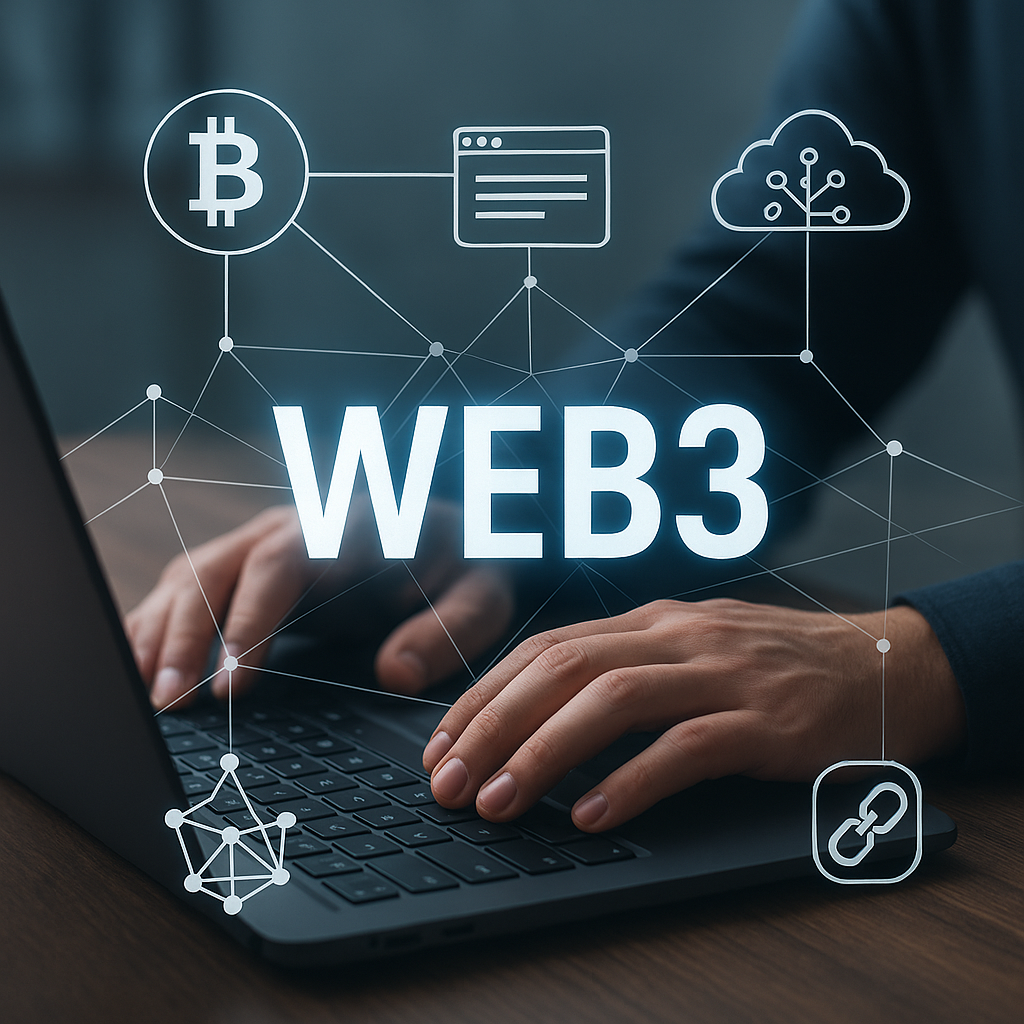
The rise of cryptocurrency has ushered in a new era of digital finance, challenging traditional banking systems and redefining the relationship between value and trust. By leveraging blockchain technology, this movement offers unprecedented levels of transparency and decentralization, enabling individuals and businesses to interact in a peer-to-peer environment without reliance on intermediaries. From payment systems to complex financial applications, the ecosystem continues to expand, giving rise to innovative solutions and revealing novel challenges.
Basics of Cryptocurrency
At its core, a cryptocurrency is a form of digital or virtual currency secured by cryptography. These digital assets operate on distributed ledgers called blockchains, where every transaction is recorded in a public chain ensuring security and immutability. Bitcoin, introduced in 2009, pioneered this movement. Soon after, projects such as Ethereum, Ripple, and Litecoin emerged, each introducing unique features or focusing on different use cases.
Key Characteristics
- Decentralization: No central authority controls the network; governance is distributed among participants.
- Security: Advanced cryptographic techniques protect transactions and wallet information.
- Transparency: Public blockchains allow anyone to verify transactions in real time.
- Immutability: Once recorded, data cannot be altered or deleted.
- Programmability: Many chains support smart contracts for automated, self-executing agreements.
Popular Cryptocurrencies
- Bitcoin (BTC): The first and most widely recognized digital asset.
- Ethereum (ETH): A platform for decentralized applications (dApps) enabled by smart contracts.
- Tether (USDT) and other stablecoins: Pegged to fiat currencies to reduce volatility.
- Binance Coin (BNB): Utility token for the Binance ecosystem, supporting trading fee discounts and other services.
- Cardano (ADA), Polkadot (DOT), and Solana (SOL): Platforms emphasizing scalability and interoperability.
Blockchain Technology Impact
Beyond currency, blockchain is transforming numerous industries by providing an immutable, transparent ledger. Its potential extends to supply chain management, healthcare data systems, voting mechanisms, and intellectual property protection. The decentralized nature of these ledgers fosters trust among parties that may lack direct relationships, enabling secure sharing of information and assets.
Supply Chain Transparency
By logging every movement of goods on a blockchain, companies can monitor origins, storage conditions, and final delivery in real time. Consumers gain the ability to verify product authenticity, while stakeholders benefit from reduced fraud and waste.
Digital Identity and Governance
Blockchain-based identity solutions aim to grant individuals control over their personal data. Instead of centralized institutions holding sensitive information, users manage cryptographic keys securely stored in digital wallets. This model reduces risks of large-scale data breaches and empowers people to decide who can access their details.
Energy Trading and Sustainability
Peer-to-peer energy trading platforms use decentralization to match surplus renewable energy producers with local consumers. Smart meter data is recorded on a blockchain, facilitating automated billing and settlement, driving greater adoption of green energy solutions.
DeFi and Financial Innovation
Decentralized Finance, or DeFi, represents a groundbreaking shift from conventional centralized banking to permissionless, automated financial services. By leveraging smart contracts, DeFi protocols enable lending, borrowing, trading, and insurance without intermediaries.
Core Components of DeFi
- Decentralized Exchanges (DEXs): Platforms like Uniswap and SushiSwap facilitate token swaps through automated market makers.
- Lending Protocols: Services such as Aave and Compound allow users to earn interest or borrow assets collateralized by crypto holdings.
- Yield Farming and Liquidity Mining: Users provide liquidity to pools and receive rewards, often denominated in governance tokens.
Governance and Tokenization
Many DeFi platforms issue governance tokens, granting holders voting rights on protocol upgrades and fee structures. This approach underscores the democratic potential of governance models, though it also raises questions about concentration of influence among large token holders.
Risks and Mitigations
- Smart Contract Vulnerabilities: Bugs can lead to significant losses; rigorous audits and formal verification help mitigate risks.
- Impermanent Loss: Liquidity providers in DEX pools may experience value fluctuations due to price volatility.
- Regulatory Challenges: Unclear compliance frameworks across jurisdictions may hinder DeFi’s growth and participation.
Challenges and Future Outlook
While the industry’s momentum is undeniable, it faces hurdles that must be overcome for mainstream adoption. Scalability is a persistent issue: networks like Ethereum have experienced congestion and high transaction fees during periods of heavy usage. Ongoing research into Layer 2 solutions and alternative consensus mechanisms aims to address these concerns.
Scalability and Interoperability
Projects such as Polkadot and Cosmos focus on cross-chain communication, facilitating asset transfers and data exchange between distinct blockchains. Layer 2 solutions like rollups and sidechains offer pathways to increase throughput and reduce transaction costs.
Regulatory Environment
Global regulators are grappling with how to define and oversee digital assets. Clear guidelines on taxation, anti–money laundering measures, and consumer protection will be essential to establish trust among institutions and retail users.
Innovation and Adoption
Enterprise adoption is accelerating as corporations explore blockchain for supply chain, digital identity, and tokenized asset offerings. Central Bank Digital Currencies (CBDCs) are under development worldwide, potentially bridging the gap between traditional finance and the digital asset economy.
As research continues into privacy-enhancing technologies, cross-chain compatibility, and user experience improvements, the ecosystem is poised to evolve rapidly. The interplay between public and private blockchains, coupled with robust regulatory frameworks, will determine how far-reaching the impact of innovation in this space can become.